Green Card Processing Abroad Policy Sparks Concern Among Visa Holders
Green Card Processing Abroad concerns are growing after U.S. immigration authorities signaled that many nonimmigrant visa holders may be expected to leave the United States and complete permanent residency processing through U.S. consulates in their home countries.
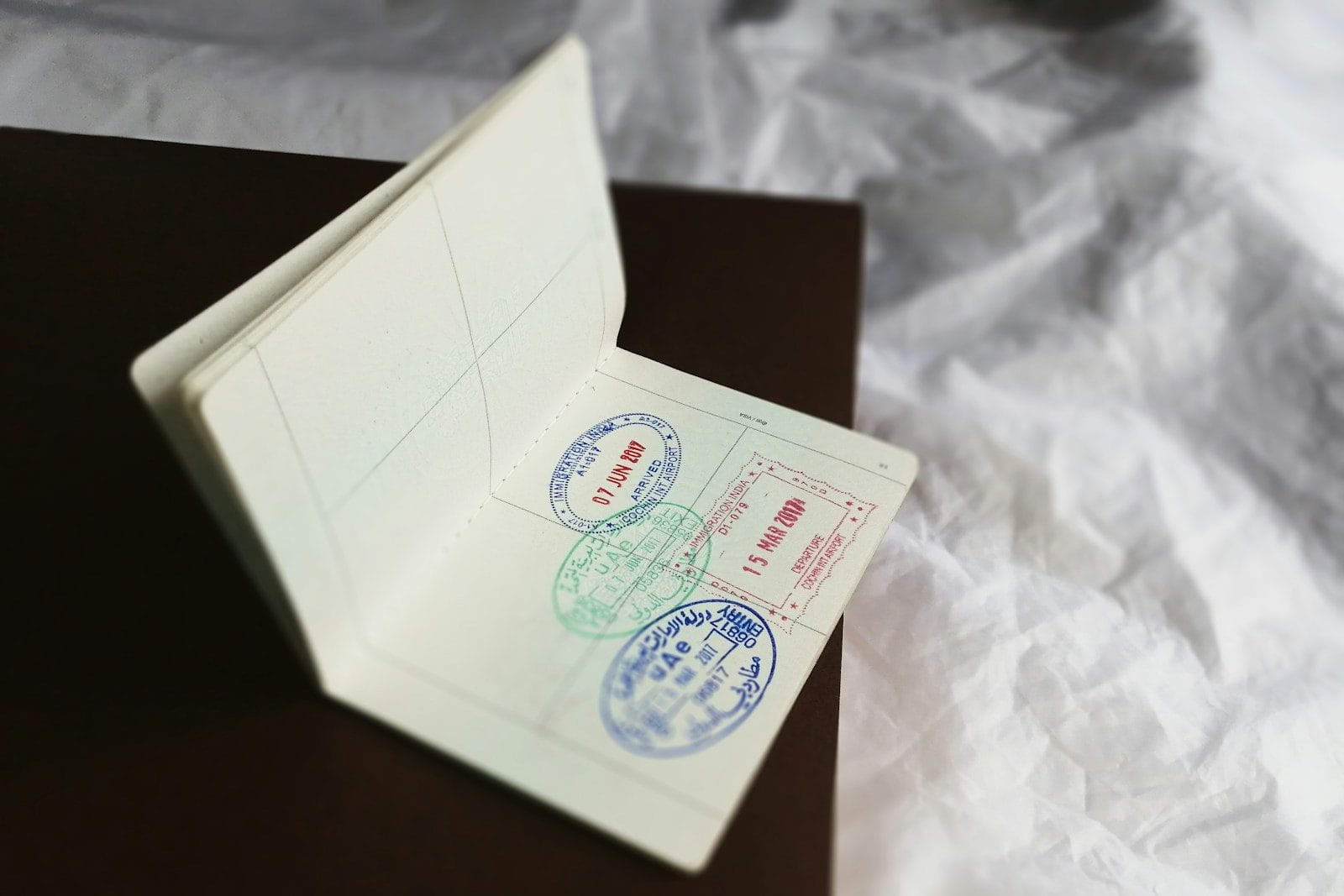
The U.S. Citizenship and Immigration Services (USCIS) released an internal policy memo on May 22 stating that foreign nationals who are legally living or working in the United States should generally pursue immigrant visa processing through overseas U.S. embassies or consulates. The memo also emphasized that adjustment of status within the United States should be treated only as an “exceptional” and “extraordinary” form of relief.
For years, many foreign nationals on F-1 student visas, H-1B work visas, L-1 intracompany transfer visas, E-2 employee visas, and even ESTA or tourist entries have commonly applied for green cards through Form I-485 while remaining inside the United States. Marriage-based green card applications involving U.S. citizens and family-sponsored petitions have also frequently been processed domestically.
However, immigration attorneys say the new guidance appears to reinforce the principle that nonimmigrant visa holders are expected to leave the country once the purpose of their temporary stay has ended.
Who Could Be Most Affected
Attorney Brian Oh said the policy could significantly restrict the adjustment-of-status pathway that many immigrants have relied on for years.
“This effectively signals an attempt to narrow the domestic adjustment process itself,” Oh said. “Visa categories that generally do not permit immigrant intent — such as F-1 student visas, ESTA entries, visitor visas, and E-2 visas — could face the greatest impact.”
He added that international students pursuing employment-based or family-sponsored green cards while living in the United States could be particularly vulnerable under the new interpretation.
“Cases involving ESTA entrants who later marry U.S. citizens and apply for green cards may also face increased scrutiny,” he said.
Some immigration experts believe the impact may be more limited for visa categories that recognize “dual intent,” such as H-1B and L-1 visas, because those programs already allow certain forms of immigrant intent under U.S. immigration law.
Still, legal experts warn that the broader implications of the Green Card Processing Abroad policy could create major uncertainty throughout the immigration system.
Delays and Overseas Processing Concerns
Attorney Chun Kwan-woo said the policy could trigger significant confusion if implemented broadly.
“Cases that were previously handled inside the United States may now be redirected to overseas consular processing,” Chun said. “That would increase uncertainty, travel burdens, and processing delays for many applicants.”
He also warned that U.S. consulates abroad are already facing heavy interview backlogs and staffing shortages.
“If USCIS workload is shifted overseas, delays could become even more severe,” Chun added.
According to Chun, undocumented immigrants who marry U.S. citizens could face additional risks if they are required to leave the country for visa processing. Departure from the United States can trigger long-term reentry bars for individuals who accumulated unlawful presence.
The USCIS memo does not clearly state whether the policy would apply retroactively to pending I-485 applications or which visa categories would be prioritized for enforcement.
Legal Challenges Likely
Immigration attorneys say any major restriction on domestic adjustment of status would likely face immediate legal challenges in federal court.
At the same time, the Trump administration is also expanding denaturalization efforts targeting naturalized U.S. citizens.
According to reports from Axios and The New York Times, the Department of Justice is increasing citizenship revocation lawsuits involving alleged fraud or false statements during the naturalization process.
Reports also indicate that USCIS immigration attorneys are being temporarily assigned to federal prosecutorial teams handling those cases.
Meanwhile, the Department of Homeland Security (DHS) has intensified pressure on sanctuary cities such as Los Angeles, New York City, and Chicago. Reuters reported that DHS officials warned international airport customs and entry-processing operations could be scaled back in those cities, including the possible withdrawal of Customs and Border Protection (CBP) personnel from major international airports.