
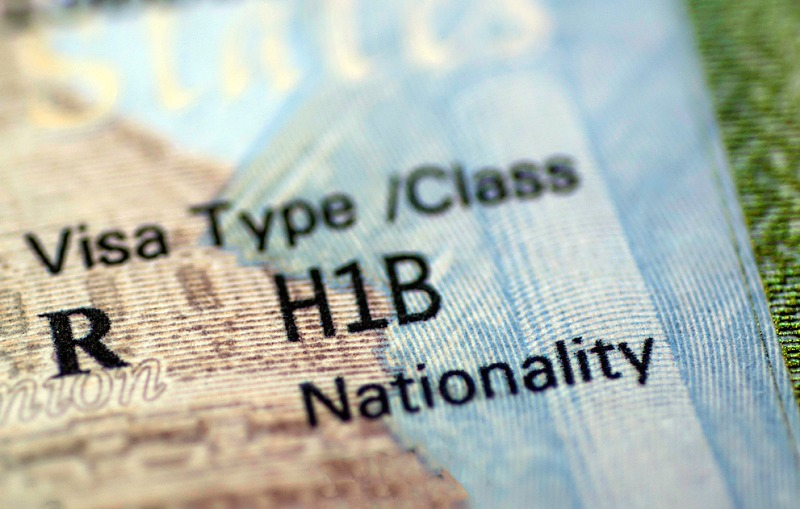
Proposed Changes to the H-1B Grace Period
The H-1B grace period allowing foreign professionals up to 60 days to remain in the U.S. after losing their jobs faces elimination under a new regulatory proposal pushed by the Trump administration. The Department of Homeland Security (DHS) and U.S. Citizenship and Immigration Services (USCIS) released a proposed rule on the 10th that would end the maximum 60-day grace period for certain visa holders. Under this change, employment-based immigration status would terminate immediately once the underlying employment relationship ends. If finalized, H-1B workers who are laid off will no longer be permitted to stay in the United States for up to 60 days to seek a new sponsor company. The proposal will officially appear in the Federal Register, triggering a 60-day public comment period before final determination.
Impact on E-2, L-1, and Other Work Visas
The upcoming regulatory shift extends far beyond H-1B employees, impacting multiple employment-based nonimmigrant statuses. Affected categories include E-1 treaty traders, E-2 investors, H-1B1 Chile and Singapore professionals, L-1 intracompany transferees, O-1 individuals with extraordinary ability or achievement, TN NAFTA professionals for Canada and Mexico, and E-3 Australian professionals. Immigration experts and corporate HR departments warn that removing the 60-day safety net will significantly heighten operational burdens, create immediate productivity disruptions, and drastically reduce the timeframe available to manage transitions for skilled workers and their families.