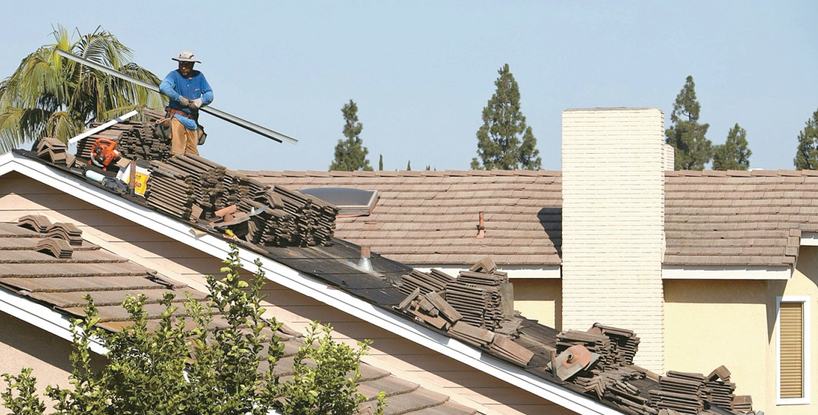
With high mortgage rates making it difficult for homeowners to move, many are choosing to stay put by repairing and upgrading their existing homes. However, rising labor and building material costs are adding significant economic pressure to these projects.
According to a recent analysis by online financial information firm LendingTree, the median cost per home repair and improvement project nationwide rose 76.1% from $1,200 in 2015 to $2,113 in 2025.
Matt Schulz, senior consumer finance analyst at LendingTree, explained that the sharp increase in home improvement costs is heavily driven by overall inflation, with rising labor and building material prices serving as primary factors.
A major underlying cause is the reluctance of homeowners to move due to high mortgage rates. Homeowners who purchased or refinanced their homes at low rates during the COVID-19 pandemic are increasingly opting to stay in their current properties rather than buy new homes, as mortgage rates have recently surpassed 7%.
Data also shows that the longer a home is owned, the more maintenance costs increase due to the growing need to replace or repair aging facilities.
LendingTree estimates that the typical maintenance cost for owner-occupied homes is $1,433 per year.
Among them, homes built before 1940—those over 80 years old—had an average annual maintenance cost of $1,706, which is about 19% higher than the overall average.
In contrast, the annual maintenance cost for relatively newer homes built since 2015 was under $1,000. Homes constructed between 2022 and 2023 averaged just $173 in annual maintenance costs, showing a substantial difference compared to older homes.
Meanwhile, the survey revealed that out of 86.9 million owner-occupied households, about 59% (51.6 million households) carried out home improvement work at least once over the two-year survey period.
Total projects reached 139.9 million, meaning an average of 2.7 repair or renovation jobs were conducted per participating household.
The most common projects involved replacing and repairing essential household equipment. The installation and replacement of kitchen and living appliances—such as water heaters, dishwashers, and food waste disposers—accounted for 11.7% of all projects, making it the highest share. The median cost for these tasks was $845.
Schulz added that while individual repairs may only cost a few hundred dollars compared to multi-thousand-dollar large-scale remodeling projects, these recurring expenses can place a substantial financial burden on households.