Love the One You’re With: The Great Renovation Pivot
The high cost of real estate and stubborn mortgage rates are fundamentally changing how Americans approach the concept of the “dream home.” Instead of packing up moving trucks and trading up to different properties, an overwhelming majority of property owners are choosing to invest right where their roots are already planted.
According to a comprehensive nationwide consumer study conducted by real estate brokerage Redfin, a striking 43% of surveyed homeowners completely renovated their current properties over the past 12 months. The momentum shows no signs of slowing down either, with an additional 33% of respondents revealing concrete plans to initiate structural or cosmetic updates within the coming year.
The Golden Handcuffs: Why Moving is Off the Table
The driving force behind this surge in home improvement projects is purely macroeconomic. The rapid rise in mortgage interest rates over the last few years has created a phenomenon known within the industry as the “lock-in effect.” Currently, roughly 80% of all active mortgage holders in the United States are locked into historic, fixed interest rates sitting safely below the 6% threshold.
Confronted with the reality of today’s mid-6% borrowing environment, selling a current home means walking away from an incredibly favorable loan architecture. Rather than taking on a drastically higher monthly debt payment for a new house, owners are opting to deploy their capital toward optimizing their existing square footage.
This tactical pivot is especially visible among younger demographics who are earlier in their wealth-building years. An impressive 77% of Gen Z and Millennial homeowners stated they deliberately chose home improvement over relocating.
“Many Americans are making the conscious choice to stay put and force the home they already own to work for their shifting lifestyles,” notes Chen Zhao, Redfin’s Head of Economics Research. “Younger homeowners, in particular, are highly motivated to invest in strategic upgrades because they see it as a direct, reliable mechanism to build long-term home equity.”
Budget Realities: What Homeowners Are Spending
The data indicates that the majority of recent projects are deliberate, localized updates rather than massive, down-to-the-studs structural overhauls. Most consumers are managing their cash flow carefully, keeping total project outlays within practical boundaries:
-
$10,000 to $20,000: The most common financial bracket, capturing 23% of all renovation projects.
-
$1,000 to $5,000: Accounted for 21% of home updates, representing minor DIY or cosmetic tasks.
-
$5,000 to $10,000: Made up 20% of the tracking pool.
-
$20,000 to $50,000: Restricted to 16% of projects, typically reserved for major structural modernizations.
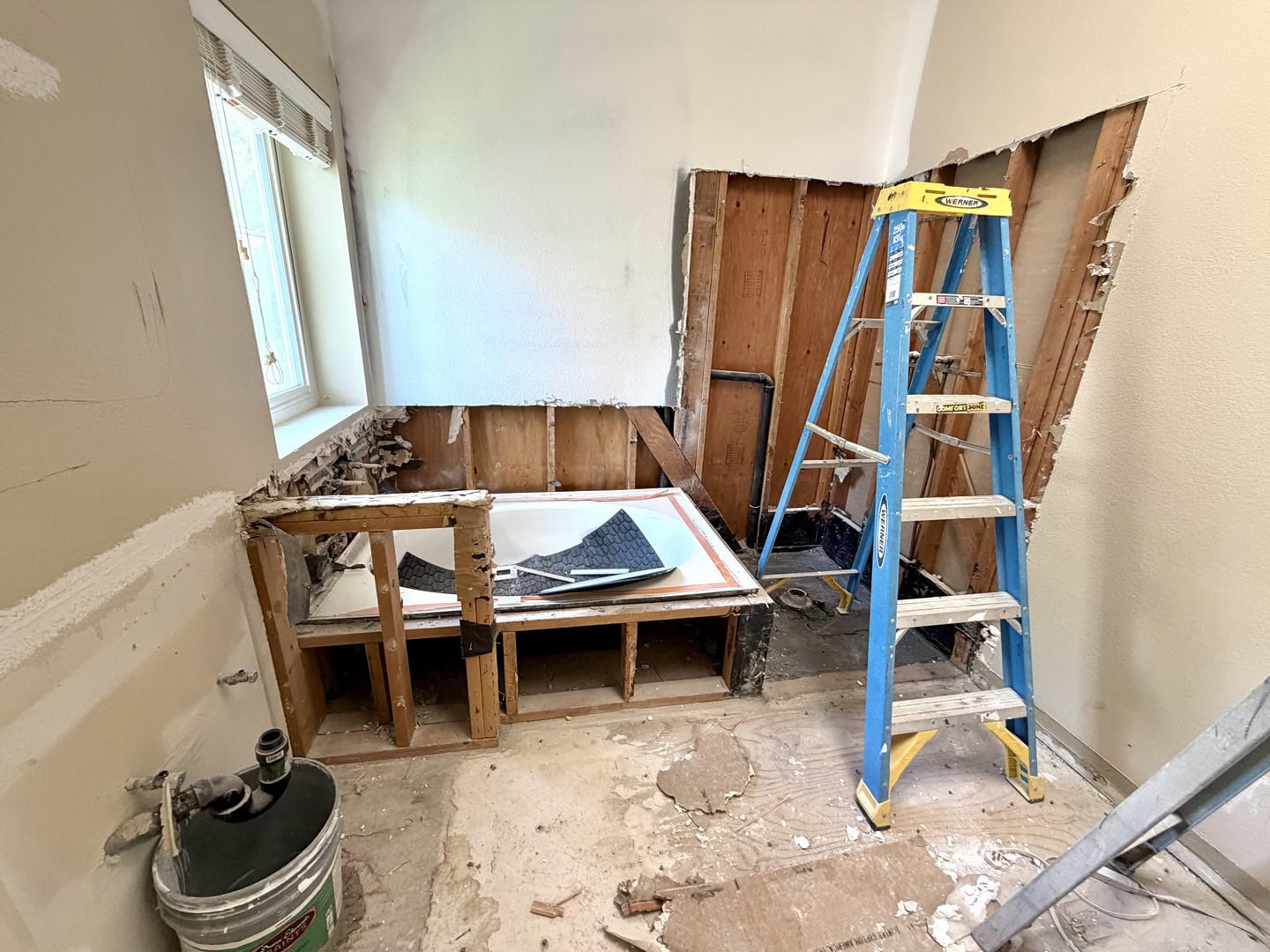
When it comes to where that money is going, cosmetic and high-traffic interior spaces are receiving the most attention. Fresh interior and exterior paint jobs took the top spot with 47% of renovators refreshing their walls. Bathroom modernizations followed closely at 43%, while kitchen overhauls rounded out the top three at 40%. Exterior maintenance and landscaping drew a substantial 35% of consumer dollars, and 31% of homeowners invested in laying down brand-new flooring.
Funding the Vision: The Rise of Cash-Out Refinancing
To pay for these upgrades without wiping out their liquid personal savings accounts, a growing segment of consumers are turning to alternative financing strategies. Specifically, cash-out refinancing has experienced a significant resurgence in consumer interest.
Because home prices across the United States climbed at an aggressive pace over the last few years, the average American homeowner is sitting on unprecedented levels of raw home equity. A cash-out refinance allows these individuals to restructure their primary mortgage into a larger loan amount based on the home’s new appraisal value, pocketing the difference in tax-free cash to directly pay contract workers, designers, and material suppliers.
“Investing in your own property is a highly strategic long-term financial play,” adds Joe Chavez, a premier field agent with Redfin. “Properties that showcase modern, updated interiors and highly functional layouts naturally sell significantly faster and command much higher pricing premiums when they eventually hit the open market. If you have the financial stability to pull it off, upgrading your home’s design today pays massive dividends down the road.”