The Great Office Tug-of-War: Why Your Boss’s Return Mandate is Flopping
Despite a flurry of aggressive “back-to-the-office” mandates from major corporate giants, employees are holding onto their sweatpants. It turns out that hybrid work trends are far more stubborn than CEOs anticipated.
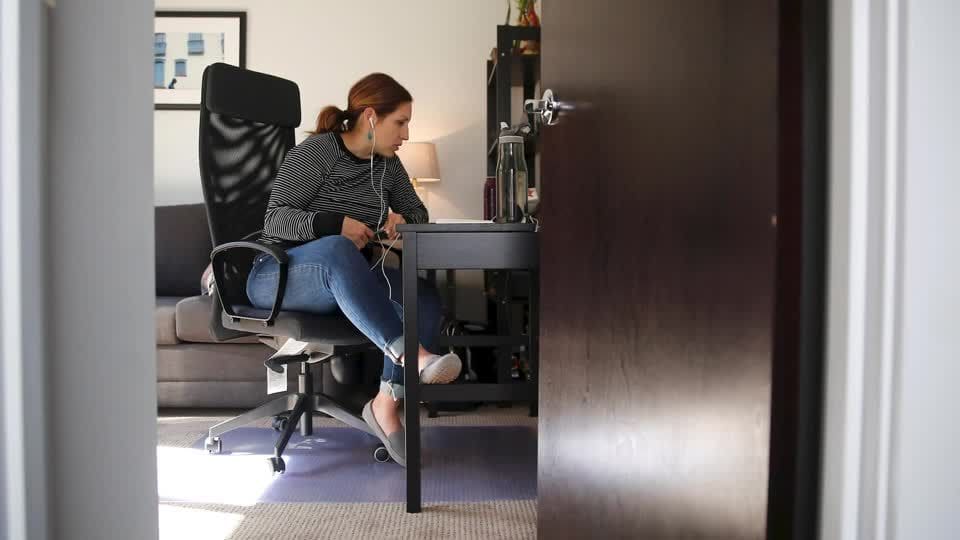
According to a recent report by the Wall Street Journal, citing global remote work data, roughly 26% of paid workdays as of May 2026 were completed from home. This is practically unchanged from the 27% recorded two years ago. When you compare this to the pre-pandemic era of 2019—where remote work accounted for a meager 7% of workdays—it is abundantly clear: working from home is no longer a temporary pandemic perk. It is the new normal.
The Data Doesn’t Lie: Office Badges Aren’t Swiping
While executives might dream of bustling hallways, the actual data paints a very different, quieter picture.
-
The Badge Data: Security firm Kastle Systems reported that office occupancy rates across 10 major metropolitan areas have barely budged compared to last year.
-
The Foot Traffic: Location analytics firm Placer.ai revealed that average office visits on weekdays in May were a staggering 32% lower than during the same period in 2019.
So, why are hybrid work trends winning? Experts point to a shifting of the guard. Stanford University Professor Nicholas Bloom notes that younger executives are championing the remote cause. Leaders who were under the age of 40 during the pandemic are highly supportive of flexible setups. As these millennial and Gen Z managers take the reins, the remote revolution is actually expected to expand, not shrink.
The Double-Edged Sword of the Pajama Life
This shift has brought massive societal wins. Remote work has acted as a powerful equalizer, making it significantly easier for working mothers and individuals with disabilities to enter—and stay in—the workforce.
However, it is not all cozy coffee dates and zero commutes. Researchers at the University of Virginia recently highlighted the growing epidemic of “remote-work loneliness” and mental stress. Furthermore, junior employees are feeling the pinch. Without senior colleagues nearby to offer casual mentorship and “desk-side” training, the career development of the next generation of workers is facing a steep learning curve.
Ultimately, the consensus among workplace experts is clear: the strict 5-day office week is a relic of the past. As hybrid work trends continue to mature, the “Goldilocks” model—a 2-to-3-day split between the home and the office—is cementing itself as the permanent global standard.