
Hyundai Motor Group Metaplant America (HMGMA), Part 1
Hyundai Motor has opened the doors to the front lines of its electrification push in North America, showcasing advanced production systems and workforce training at its flagship EV plant in Savannah, Georgia.
During a nationwide media tour held on April 23, Hyundai Motor Group unveiled its end-to-end electric vehicle (EV) manufacturing process at HMGMA, from automated production lines powered by AI and robotics to its localized workforce training ecosystem. This two-part series captures what reporters witnessed on-site, combining factory-floor insights with hands-on EV performance experiences.
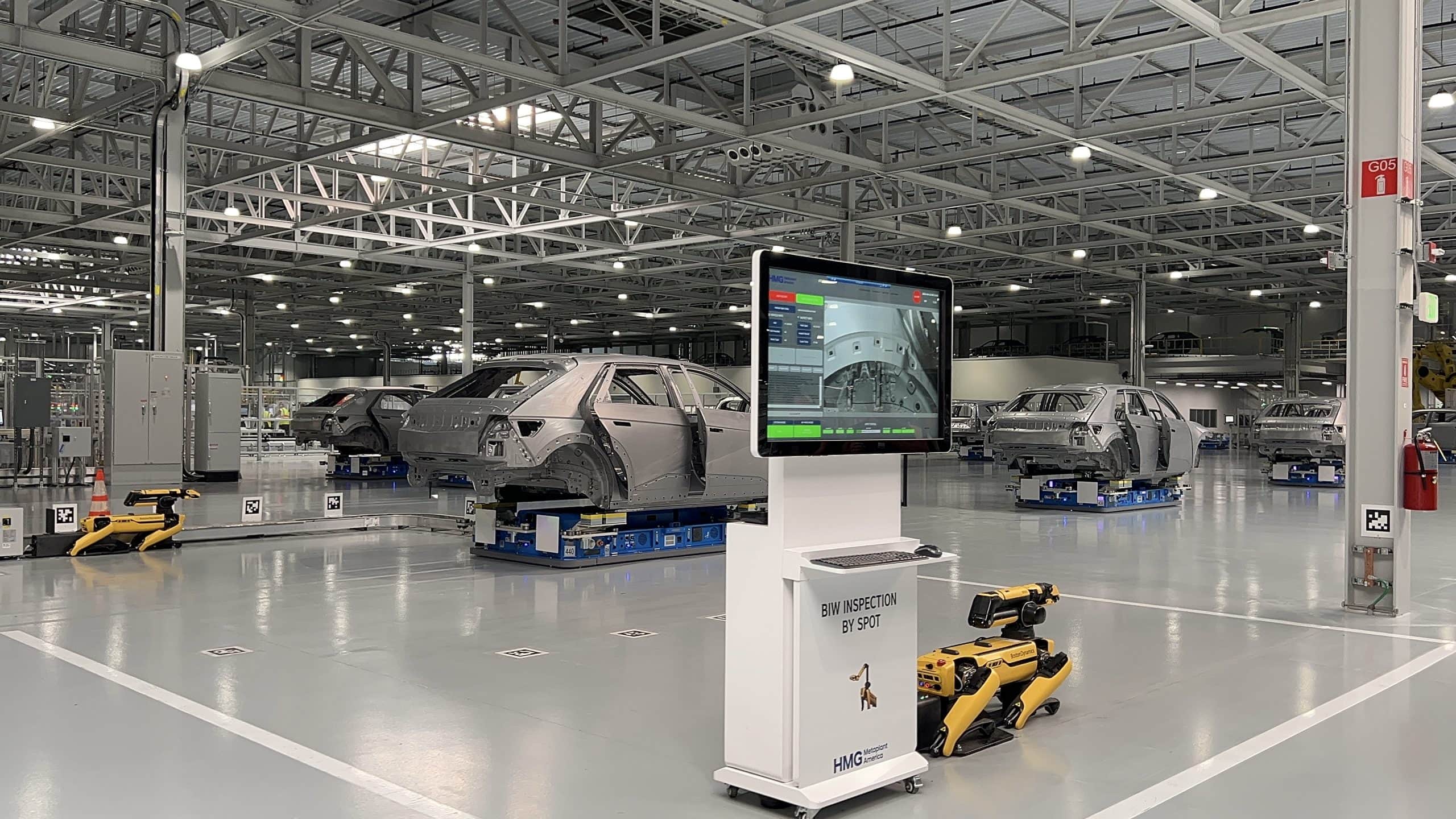
Spanning roughly 2,900 acres—larger than Disneyland—the HMGMA site feels less like a conventional factory and more like a self-contained industrial city. Bianca Johnson, a PR manager guiding the tour, described it as “a future-oriented plant where processes are managed through automation and data.”
The facility currently has an annual production capacity of 300,000 vehicles, with expansion plans that could push output to 500,000 units. Hyundai is also emphasizing local hiring as part of its regional development strategy. Of the plant’s 1,623 employees—referred to internally as “Meta Pros”—85% are from Georgia, and 65% are from the Savannah area.
From the outset, the factory defies expectations. Instead of the typical sights and sounds associated with auto manufacturing, the interior resembles a pristine research facility. The floors are spotless, the air is free of metallic odors, and the environment is remarkably quiet despite the scale of operations.
Inside the body shop, the reason becomes clear. Rather than traditional conveyor belts, dozens of yellow robotic arms move in seamless coordination, transferring and assembling steel panels with speed and precision. Human workers are largely absent from physically demanding or hazardous tasks, which have been fully delegated to machines.
Safety is one of the most striking aspects of the operation. Workers move through the facility without protective masks or earplugs—an uncommon sight in automotive manufacturing. The environment challenges long-held assumptions about factory floors being inherently dangerous.
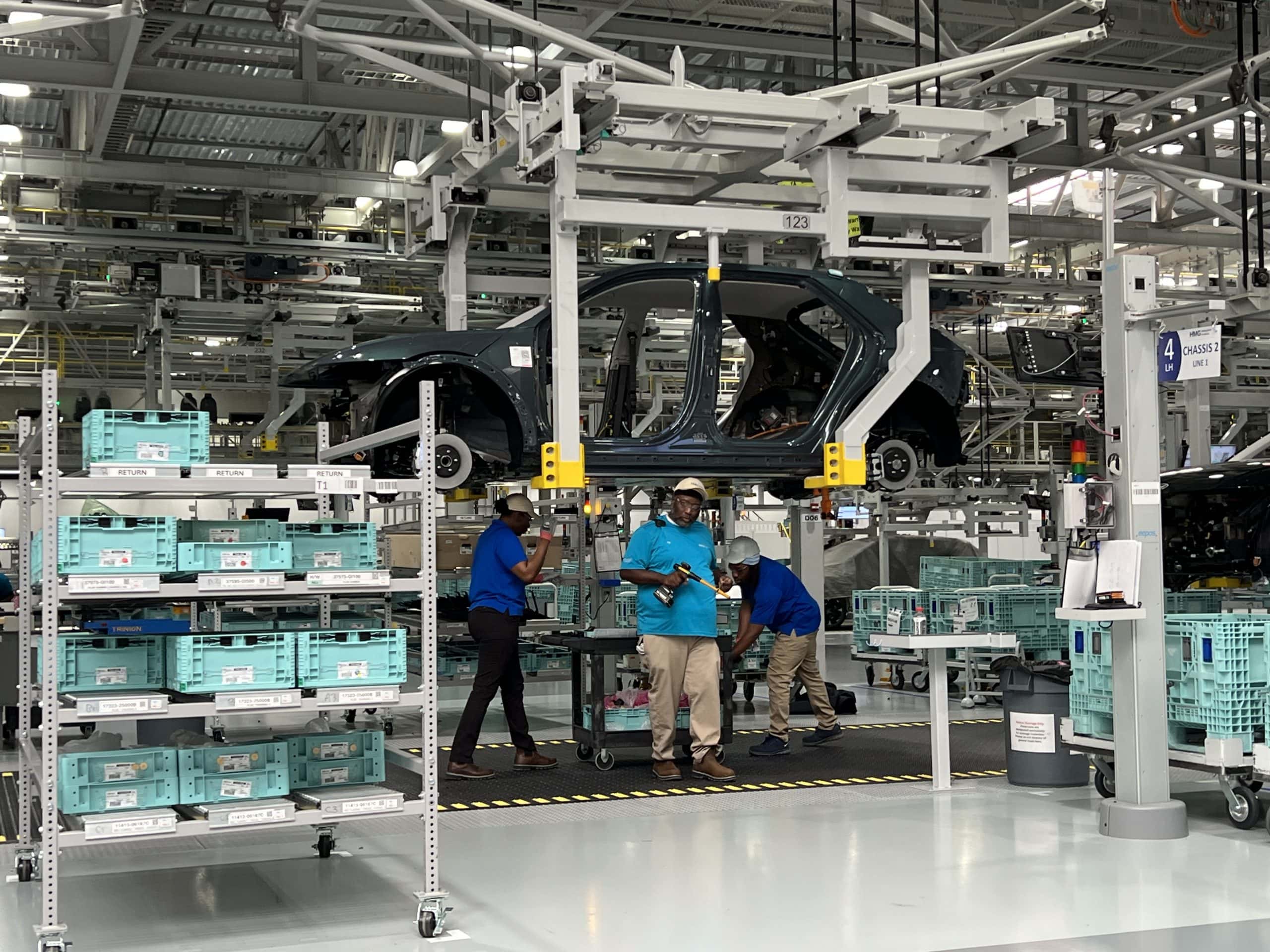
Adding to the futuristic atmosphere is “Spot,” the robotic dog developed by Boston Dynamics. It roams the production area, scanning assembled vehicles to detect defects. Meanwhile, autonomous mobile robots (AMRs) continuously transport parts across the floor, intelligently navigating around workers and equipment. They pause when encountering people and yield to approaching carts, demonstrating a coordinated coexistence between humans and machines.
Still, not everything is automated. Certain tasks—such as wiring and seat assembly—require human precision. In tight spaces where delicate adjustments are necessary, skilled workers remain indispensable.
After touring the production line, the group moved to the training center responsible for preparing these “Meta Pros.” The facility features a full-scale replica of the actual production environment, complete with moving conveyor belts, assembly stations, and component layouts.
The goal is not theoretical instruction but real-world readiness. Trainees are immersed in hands-on learning designed to mirror actual working conditions as closely as possible.
This training system is supported through a partnership with Georgia’s state-run “Quick Start” workforce development program and the Technical College System of Georgia. Hyundai provides employment opportunities, while the state and its academic partners deliver instructors, training programs, and incentives.
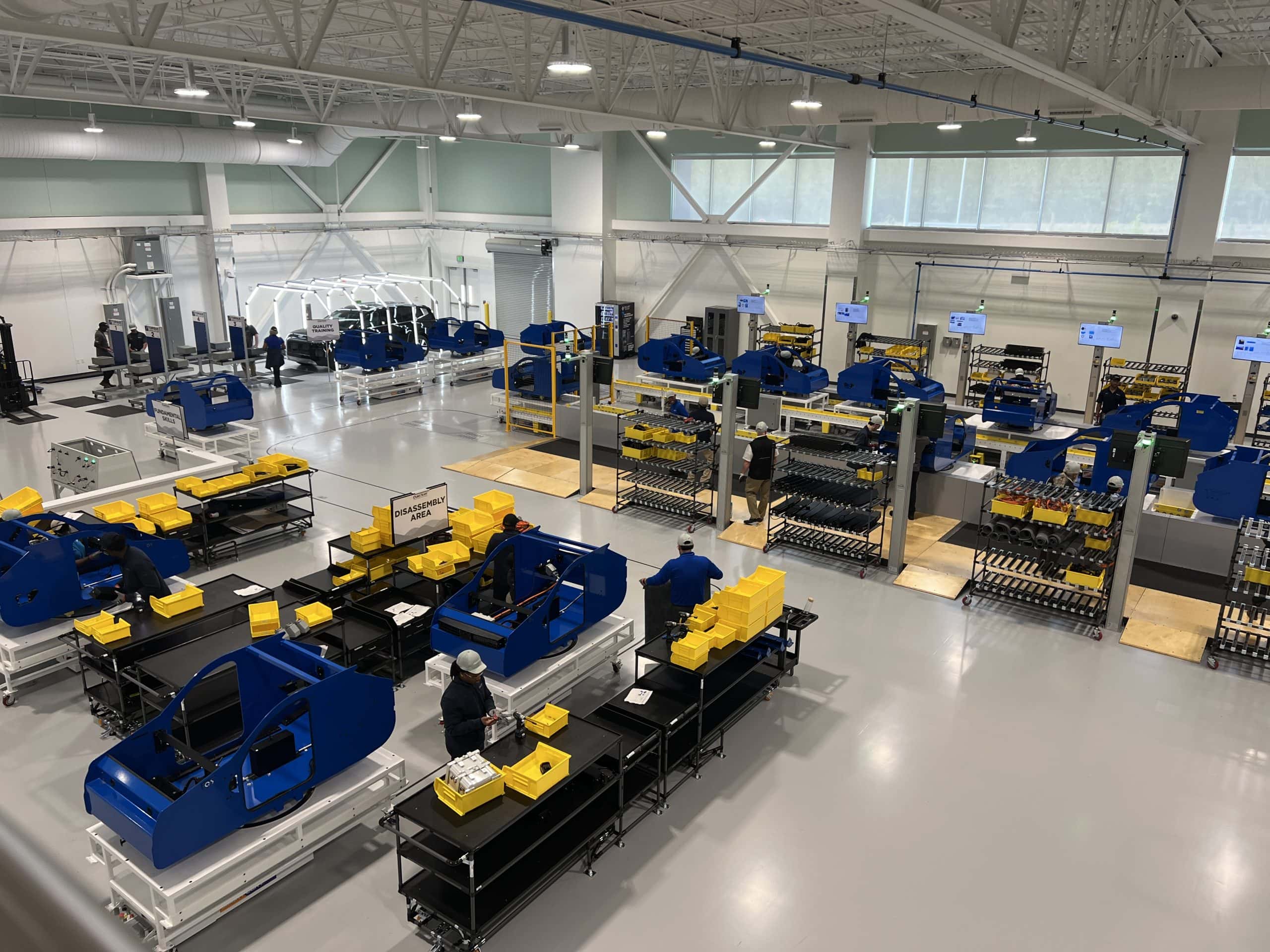
Susan Williams, a director at Quick Start, explained that around 150 trainees are trained at a time, rotating through each stage of the production process. “The learning is physical and repetitive. If a trainee doesn’t fully understand a step, they don’t move on—they go back and repeat it until they master it,” she said.
Training begins with fundamentals, such as identifying automotive components, and progresses to full assembly tasks. The emphasis is on practical skill acquisition rather than theoretical knowledge.
Programs typically last between four to six weeks, depending on the complexity of the role. Fields such as assembly, quality control, and logistics each require different levels of expertise. While some processes can be mastered quickly through repetition, more intricate tasks demand longer training periods.
One moment during the tour captured the essence of the program. A sudden thud echoed through the training floor—one trainee had dropped a component during assembly. The reaction was telling: no panic, just a quick recovery and continuation.
By recreating real production conditions, the training center ensures that workers experience trial and error long before they step onto the actual factory floor. In effect, each trainee goes through dozens of “mock exams” before ever building a vehicle for real.
BY HOONSIK WOO [woo.hoonsik@koreadaily.com]