
Market Normalization: Korean Automakers Face Tough Year-Over-Year Comparisons
On May 1, Hyundai, Kia, and Genesis released their sales figures for April 2026, revealing a combined total of 159,216 units sold—a modest 2% decrease compared to the same month last year. While the numbers were technically down, industry analysts point out that the U.S. market is currently stabilizing after the “tariff-pull” frenzy of 2025.
Hyundai: Hybrid Strength vs. Electric Variance
Hyundai Motor America reported total sales of 80,157 units, down 2% from April 2025. However, the internal data reveals a significant shift in consumer preference toward hybrid powertrains:
-
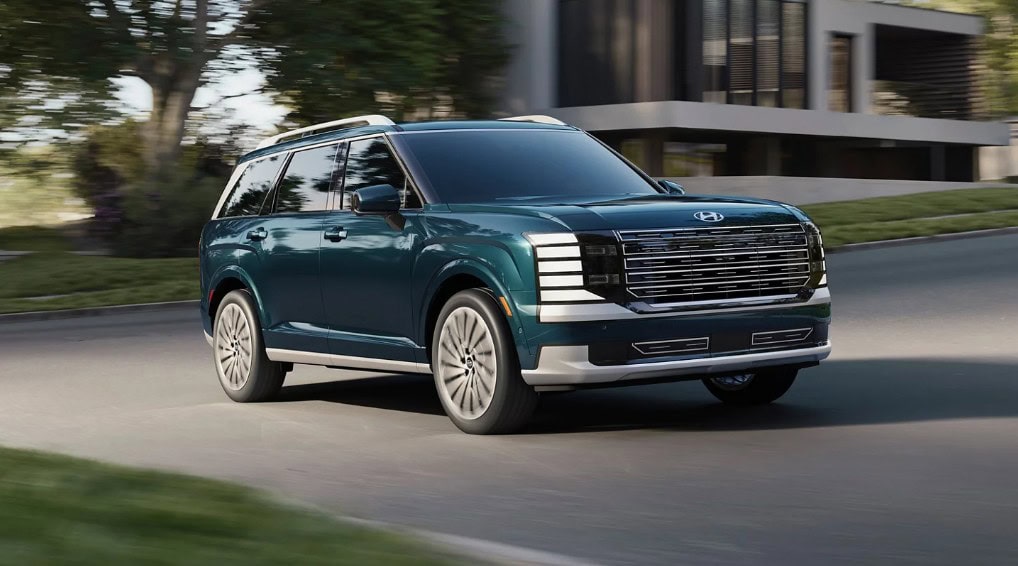
Winners: The Sonata (+18%) and the flagship Palisade (+8%) remained strong.
-
The EV Gap: The U.S.-assembled Ioniq 5 grew by 6%, but the Ioniq 6 faced a steep 82% decline, reflecting a “choppy” market for pure electric sedans compared to SUVs.
Kia: SUV Dominance and the EV9 Surge
Kia America delivered 72,703 units, a 3% variance from its record-setting April 2025. Despite the slight dip, Kia set a new year-to-date (YTD) record for the first four months of the year.
-
Telluride Power: The Telluride SUV continues to defy gravity, posting a 16% increase and its best April in history.
-
Electrified Success: The EV9 flagship saw a massive jump to 1,349 units, as more inventory reached dealer lots.
-
Struggles: The Soul saw a dramatic drop-off to just 171 units, while volume leaders like the Sportage and Sorento saw minor declines.
Genesis: Luxury Resilience
The luxury division, Genesis, held steady with 6,356 units, essentially matching its 2025 performance.
-
GV70 & G70: These models were the primary engines of growth, with the GV70 rising 13% and the G70 sedan jumping 23%.
-
Other models like the GV80 and the electric GV60 saw a cooling of demand, mirroring the broader luxury market’s move toward hybrid options.
The Industry Outlook
The decline across all three brands is seen as part of a wider 5.4% drop in the total U.S. auto industry pace for April. Rising fuel prices and economic volatility have made consumers more cautious, yet the record-high hybrid sales for Hyundai and Kia suggest that the Korean brands are well-positioned to capture the “middle ground” of the green transition.
BY HOONSIK WOO [woo.hoonsik@koreadaily.com]