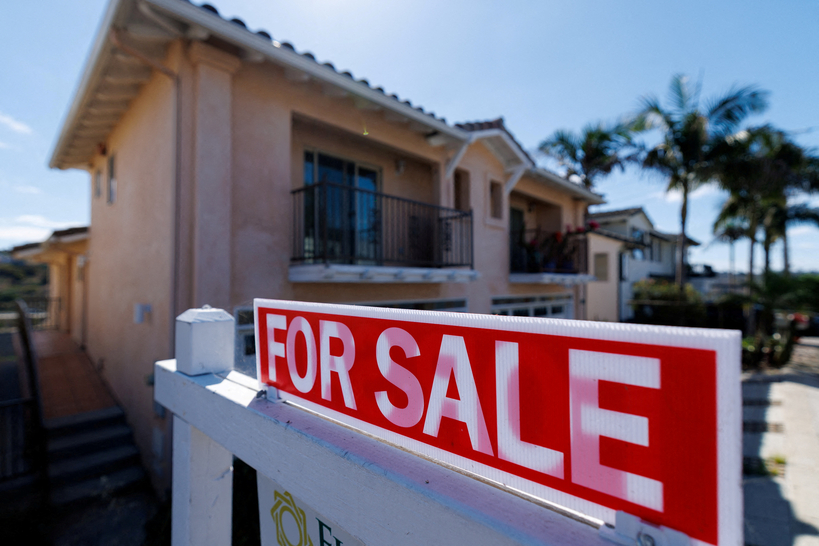
Once celebrated as Southern California’s go-to destination for relatively affordable housing, the Inland Empire housing costs are surging at an alarming rate, fueling widespread anxiety among local residents.
For years, Riverside and San Bernardino counties offered lower home prices compared to coastal hubs like Los Angeles, Orange County, and San Diego, trading affordability for longer commutes and warmer weather. However, a recent Public Policy Institute of California (PPIC) report reveals that housing and rental burdens have now become top concerns for residents across the region.
Surging Housing Prices and Rental Burdens
According to PPIC data analyzing regional concerns in California, over 60% of residents in San Bernardino, Riverside, and Kern counties now view housing costs as a “major problem.” Compared to 2020 surveys, concern has jumped by 17 percentage points in eastern San Bernardino, 12 points in western Riverside, and 22 points in Kern County.
Lead researcher Eric McGhee points to post-pandemic migration trends as the primary catalyst. Higher-income buyers relocating from LA, Orange County, and San Diego in search of lower-priced homes have driven up local property values. Since early 2020, median home values have climbed 48% in San Bernardino County and 50% in Riverside County, vastly outpacing LA County’s 35% increase.
Rental markets have faced even steeper pressure. The median rent for a one-bedroom apartment across the Riverside-San Bernardino metropolitan area skyrocketed from $1,306 in 2022 to $1,959 this year, representing a staggering 50% jump in just four years.
The Long-Term Impact on Commuters and Retirees
Real estate agents note that both mortgages and rents are climbing simultaneously, leaving buyers and renters trapped with limited options. Many working families are pushed even further inland, enduring grueling two-hour commutes to jobs in employment centers like San Diego.
This affordability squeeze hits fixed-income retirees and long-term renters the hardest. While the logistics boom has created thousands of local jobs, many positions fail to provide the wages needed to keep pace with soaring property values. A 2022 University of California, Riverside study showed that only 31% of Inland Empire households could afford a median-priced home, while over 41% remain heavily burdened by housing expenses.