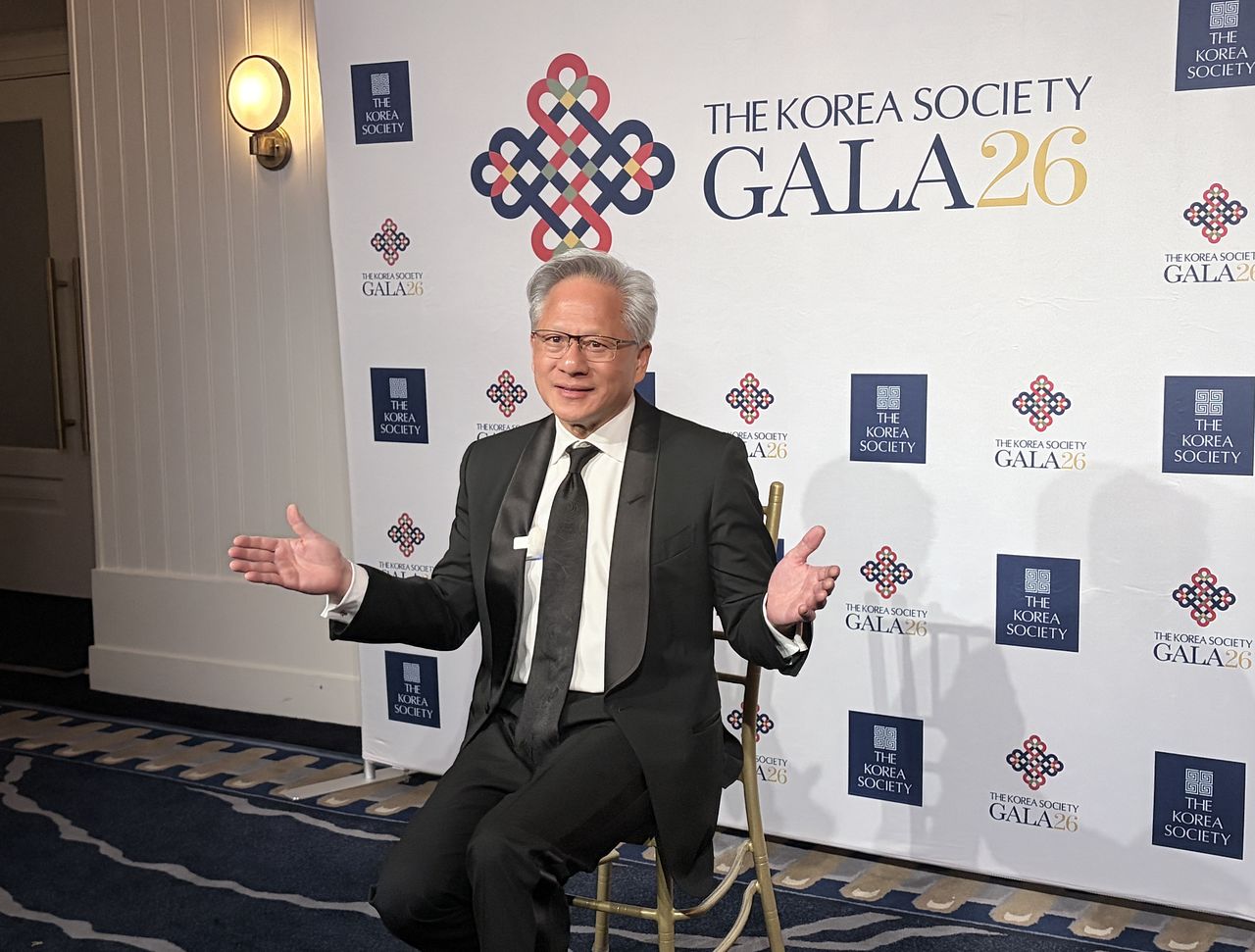
Nvidia CEO Jensen Huang has firmly pushed back against claims that the pace of artificial intelligence (AI) development should be slowed for the sake of safety, calling it a fundamentally flawed narrative. During a recent gala hosted by The Korea Society in New York, Huang emphasized his philosophy of ‘responsible optimism,’ arguing that AI performance and safety must evolve in tandem.
Refuting the Myth of AI Safety vs. Performance
Huang argued that viewing AI capability and safety as opposing concepts is a misunderstanding. He pointed to the evolution of ChatGPT, noting that the reduction in ‘hallucinations’ and increased reliability in modern AI models are direct results of advanced technical development. Comparing the sector to the automotive industry, he noted that just as vehicle safety features like automatic emergency braking improved alongside engine performance, AI safety will inherently improve as the underlying technology matures.
Accelerating Technology for a Safer Future
Regarding calls for slowing down, Huang was clear: individuals can choose to slow their own pace if they wish, but they should not impose those limitations on others. He stressed that the industry should focus on building technology to keep people safe rather than spending time inciting fear. To ensure global standards, he proposed that the AI industry adopt frameworks similar to the aviation or automotive sectors, involving external auditors, review boards, and professional evaluation systems.
South Korea’s Strategic Role in the AI Ecosystem
Addressing South Korea’s competitiveness, Huang praised the nation for its unique ability to both consume and export technology. He expressed confidence in the country’s potential to punch above its weight in AI and automation. Furthermore, he reaffirmed his long-term partnership with South Korean firms like Samsung and SK, noting that the diversification of semiconductor manufacturing is a positive move for global supply chain resilience. Finally, Huang offered an optimistic outlook on Nvidia’s future, describing the company as being in its early stages and suggesting that the current momentum is built on deep, long-term strategic partnerships.