The Great Grocery Glow-Up: Why Mainstream Supermarkets are Betting Big on Asian Flavors
There was a time when scoring a jar of Gochujang or a pack of authentic ramen meant mapping out a weekend trip to your nearest specialty Asian market. Not anymore. Driven by the explosive K-Food trend USA movement, America’s biggest grocery giants—from budget-friendly Target to the ultra-premium Erewhon—are aggressively expanding their Asian food sections, moving these products out of the dusty “ethnic aisles” and straight into the mainstream spotlight.
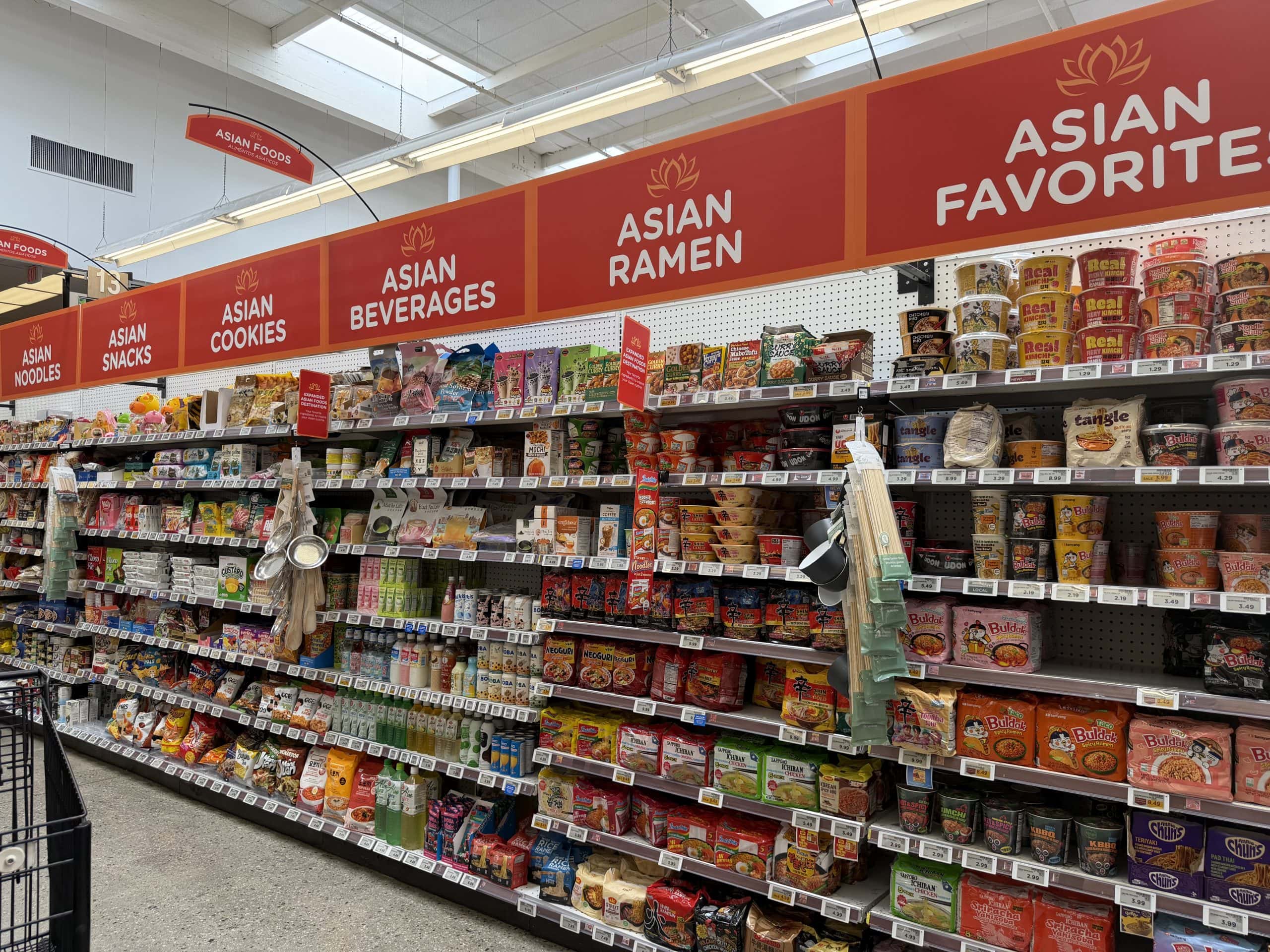
According to recent data from market research firm Circana, sales of Asian food products in the U.S. have skyrocketed from $1.57 billion in 2021 to over $2.3 billion this year. It turns out, America’s appetite for bold flavors is tastier—and more lucrative—than ever.
From Shin Ramyun to Erewhon Kimchi: LA Grocers Get a K-Spicy Makeover
Step into any Ralphs in Los Angeles, and you’ll see the shift firsthand. Entire sections are now dedicated to global flavors, packed with viral sensations like Buldak spicy noodles, Bibigo mandu (dumplings), and crispy seaweed snacks.
But the K-Food trend USA wave doesn’t stop at standard supermarkets. The cultural crossover is happening at every price point:
-
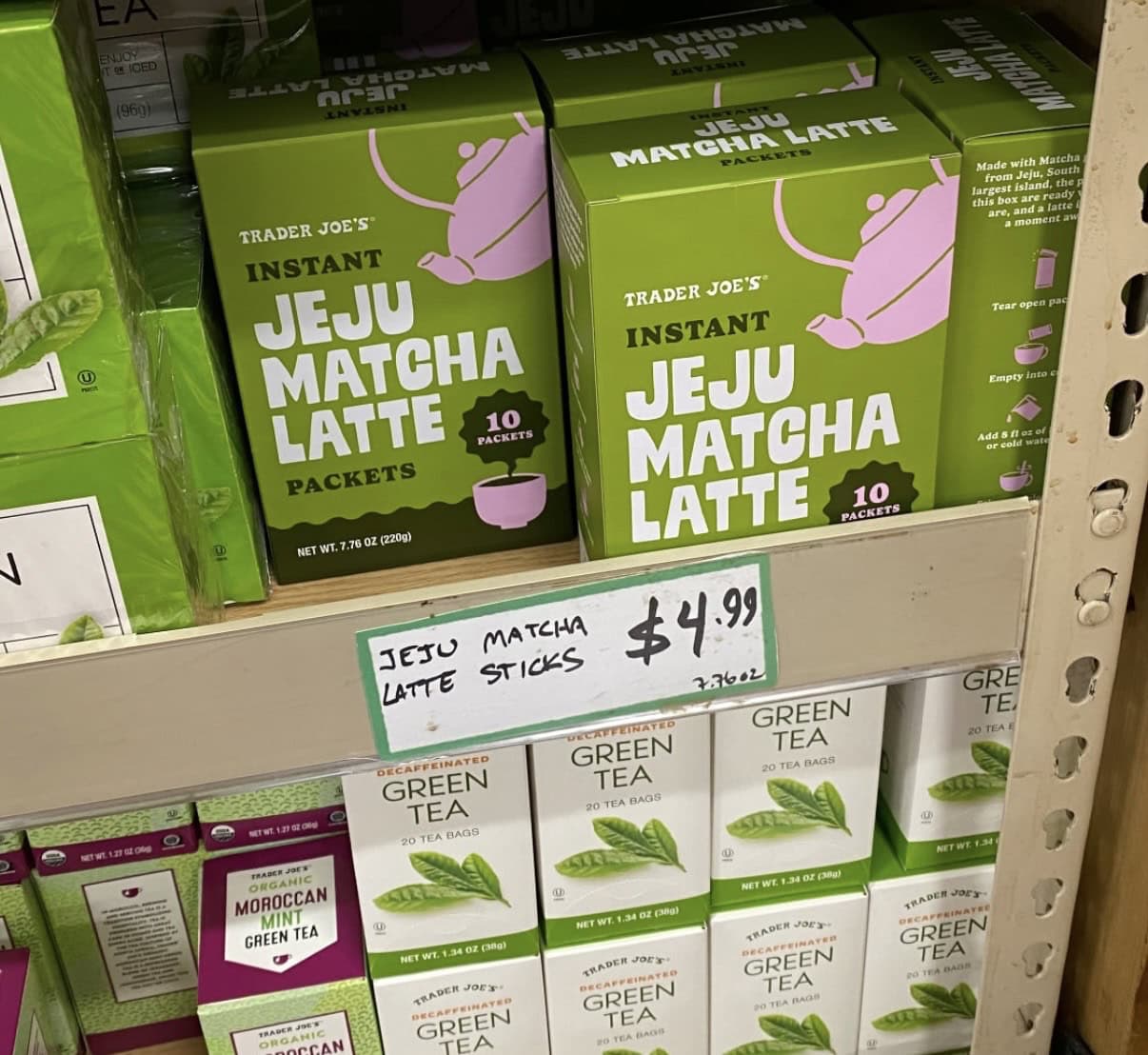
Trader Joe’s: Famous for its viral frozen Kimbap that sparked nationwide shortages, the neighborhood favorite now proudly stocks everything from Gochujang to Jeju Matcha Latte powders right in the center of its aisles.
-
Erewhon: LA’s upscale, organic hotspot has fully embraced the trend, rubbing shoulders with luxury wellness items by placing premium, organic Kimchi in its prime refrigeration real estate.
-
Target & Whole Foods: Target made headlines by introducing dedicated shelves for Korean Soju, while Whole Foods has integrated Asian sauces and snacks directly into its standard chip and condiment aisles.
“I used to drive all the way to Koreatown just to get basic cooking ingredients like Kimchi,” says Kim Min-kyung, a resident of West LA. “Now, I can just grab them during my weekly run to Trader Joe’s or Ralphs. The variety is getting insane.”
Gen Z and Millennials are Driving the Flavor Revolution
This isn’t just a temporary fad; it’s a structural shift in how America eats. CNBC reports that mainstream retail giants are expanding their global food footprints because younger consumers—specifically Gen Z and Millennials—are obsessed with culinary exploration. Driven by social media cooking trends and Mukbang culture, these adventurous eaters view items like tteokbokki and matcha as everyday comfort foods rather than exotic novelties.
As mainstream grocery chains continue to blend these products into their general inventory, one thing is clear: Asian cuisine is no longer a sub-category in the American diet. It is the American diet.