Korean Air Mileage Redemption Discontent Grows Over High Fees and Poor Value
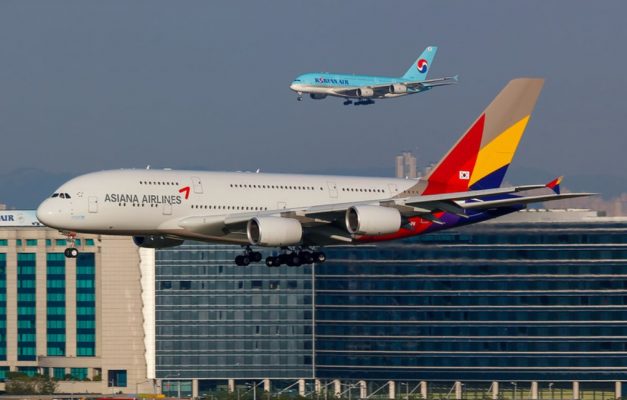
Frustration is rising among Korean Americans over Korean Air mileage redemption, with many complaining that high fuel surcharges and taxes make bonus tickets nearly as expensive as cash purchases. Obtaining award seats on desired dates has become extremely difficult, and even during off-peak seasons, additional out-of-pocket costs run into hundreds of dollars, eroding the practical value of accumulated miles.
Park Ga-young (pseudonym), a Los Angeles resident, recently attempted to book a round-trip economy ticket between LA and Incheon for November 5–15 using her accumulated Korean Air miles, only to give up. While a standard cash ticket was priced at $1,050, using 70,000 SkyPass Visa miles still required paying $799 in fuel surcharges and taxes.
“To earn 70,000 miles on a credit card that earns 1 mile per dollar, you have to spend $70,000, and I’ve paid nearly $700 in annual fees over seven years,” Park expressed with frustration. “If I had used a cash-back card instead, I could have received around $700 in cash. Saving just $250 after redeeming 70,000 miles makes the value of miles far too low.”
Disparity Between Round-Trip and One-Way Bookings
Similar complaints regarding national carriers’ mileage policies are flooding social media platforms.
Kim Jeong-kook (pseudonym) shared his experience attempting to redeem 70,000 miles for an Asiana Airlines round-trip ticket between LA and Incheon this fall, which required an additional $700 in cash. However, booking two one-way flights separately reduced the cash payment significantly: the LA–Incheon leg cost 35,000 miles plus $340, while the Incheon–LA leg required 35,000 miles plus $210, bringing the total cash outlay to $550. Booking two one-way tickets saved $150 compared to a single round-trip ticket using the same total mileage.
“Unless you compare one-way prices individually, it’s a deceptive structure where consumers end up losing money,” Kim stated. He also voiced concern that the upcoming merger between Korean Air and Asiana Airlines could further restrict consumer choice and diminish the practical benefits of mileage programs.
Airline Explanation and Consumer Perspective
In response to these concerns, Korean Air explained that mileage deductions strictly apply to the base airfare, while fuel surcharges, government taxes, and airport fees are charged separately as required by regulation. The airline added that fuel surcharges apply equally to both standard paid tickets and award tickets within the same seat class.
Regarding complaints about the shortage of award seats, Korean Air noted that it agreed with the Ministry of Land, Infrastructure and Transport to allocate at least 5% of seats for award bookings regardless of peak seasons, and currently maintains an allocation rate of over 10%. However, the company stated that specific seat allocation numbers and usage rates per flight are proprietary business information and cannot be disclosed.
Park emphasized, “Mileage is not a free handout; it is a legitimate reward earned by consumers who have supported credit card companies and airlines over a long period. Being able to reserve seats when needed at a reasonable cost is what true consumer benefit looks like.”
By Eunyoung Lee