Some Korean American hospitals in the Los Angeles area are refusing to treat patients with PPO (Preferred Provider Organization) health insurance plans, drawing criticism for prioritizing revenue stability over broader patient access.

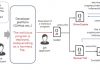
These hospitals reportedly prefer HMO (Health Maintenance Organization) plans, which guarantee steady income through monthly per-patient payments. In contrast, PPO patients require individual claims to be submitted to insurance companies, a process many providers find burdensome.
A Korean American patient, Lee, shared that she was recently denied service while awaiting results from an eye exam. “I was told not to come back because the clinic no longer accepts PPO plans,” she said.
Facilities that focus on treating Medicare and Medi-Cal patients aged 65 and older are especially likely to avoid PPO plans. HMO patients in this age group often represent reliable income for clinics.
An insurance company representative, speaking anonymously, said, “In Southern California, HMO has become the dominant plan. Clinics receive fixed monthly payments based on patient count, while PPO patients require a separate billing process for each visit.”
Under the HMO system, patients must obtain a referral from a primary care physician before seeing a specialist, effectively placing decision-making authority in the hands of the primary provider. PPO plans offer patients the flexibility to see specialists directly. Despite this advantage, many PPO subscribers report being unable to use their benefits due to provider refusal.
A staff member at P Clinic, a Koreatown internal medicine clinic, said, “We accept both HMO and PPO patients, but some other clinics avoid PPO because the reimbursement process with insurers often leads to billing complications.”
This type of selective patient intake can result in dangerous situations.
A patient named Park recently experienced severe abdominal pain but was turned away by a Koreatown internal medicine clinic, referred to here as K Clinic, because it did not accept PPO plans. “Even though I should be able to go anywhere with a PPO, I now have to call ahead to see if I’ll be accepted,” he said. “Some places won’t even take HMO patients unless they’re seniors.”
K Clinic stated, “We’re currently only accepting new Medicare or Medi-Cal HMO patients aged 65 and older because we already have too many patients.”
Internal medicine doctor Lee noted, “There’s no real difficulty in handling PPO billing from the hospital’s perspective. But since operations are financially stable with just HMO patients, many clinics don’t feel the need to accept PPO.”
However, not all clinics share this view.
A representative from Lee Sungwon Internal Medicine said, “I don’t understand why PPO patients are being rejected. They actually have more freedom to choose, which should benefit hospitals.”
Jung Joon Internal Medicine confirmed, “We don’t differentiate between HMO and PPO—our clinic accepts all patients.”
Some observers attribute this trend, in part, to the aging of Korean American physicians. As they reduce their clinic hours, some prefer to limit treatment to patients whose insurance is easier to process or more profitable.
BY HYOUNGJAE KIM [kim.ian@koreadaily.com]