Myung Ki Hong, chairman of the M&L Hong Foundation, supported such a broad range of public-interest projects that it was difficult to find a major Korean American community initiative he had not touched. His known contributions to Korean American organizations and nonprofit institutions alone exceeded $20 million.
But projects that once relied heavily on Hong’s money, connections and ability to get things done have struggled to maintain momentum since his death.
The most prominent example is the Korean American National Museum, one of the community’s longest-standing aspirations.
Efforts to establish the museum date back to 1991, when prominent Korean Americans including veteran architect David Hyun, Susan Ahn — daughter of Korean independence leader Dosan Ahn Chang Ho — Olympic gold medalist Dr. Sammy Lee and retired U.S. Army Col. Young Oak Kim came together behind the project.
Hong served as co-chairman of the museum from 2015 to 2020. He was also its largest individual donor, contributing $2.56 million.
After Hong stepped down, Jae Min Chang, chairman and publisher of The Korea Times, became the sole board chairman.
Under Chang’s leadership, however, the project has faced years of delays.
After securing a site from the city of Los Angeles in 2013, the museum repeatedly changed its architectural plans. Yet the Korean American community received little comprehensive explanation about why those changes were made or how donations collected from grassroots supporters were being managed.
Former Executive Director Shinae Yoon and some board members offered occasional explanations, but the board chairman rarely appeared before the community to provide a full accounting of the project’s progress and finances.
That has fueled criticism that the museum has been operated behind closed doors.

The approach stands in sharp contrast to the Armenian American Museum, which has been under development in Glendale during much of the same period. The Armenian American Museum expects to complete construction this year and is targeting an opening next year.
“Transparency is extremely important,” Berdj Karapetian, executive chairman of the Armenian American Museum, told The Korea Daily. “The larger the budget, the more important accountability and transparency become.”
Karapetian said the organization regularly briefs community leaders on its finances and construction progress and makes independent audit results available on its website. The goal, he said, is to ensure that members of the Armenian American community understand how the project is progressing.
When a project runs into trouble, he added, leaders should become more open, not less.
Community leaders must be willing to ask, “Tell us what we are doing wrong. We want to do better,” Karapetian said.
They also have to accept public scrutiny and criticism.
“When a project takes longer and costs more, it is natural that people will ask more questions,” he said.
The Armenian American Museum has faced its own setbacks.
The COVID-19 pandemic, supply-chain disruptions and inflation pushed construction behind its original schedule and drove up costs. The museum initially projected a total budget of $88 million, but Karapetian said the final cost could reach as much as $95 million.
Drawing on that experience, he emphasized that time can be just as important as money. Three decades of delays, he said, can themselves work against a project such as the Korean American National Museum.
If transparency sustains public trust, leadership ultimately determines whether a project gets completed.
Glendale Mayor Ardy Kassakhian, who has been involved with the Armenian American Museum project since its early stages, said one of the most important requirements is finding people who are capable of actually building the museum.
He said major projects should be entrusted to people with a demonstrated record of producing results in business or community affairs, and those leaders should then be empowered to assemble the team needed to finish the job.
Measured against that standard, the leadership of the Korean American National Museum warrants closer scrutiny.
Does the current board have the execution ability, fundraising capacity and political network necessary to complete the museum? Has it adequately explained its decisions and accepted responsibility to the Korean American community along the way?
Those are questions that must be addressed.
But determining who is responsible for past failures alone will not solve a problem that has persisted for more than 30 years. The more fundamental issue is who can finally complete one of the Korean American community’s most important legacy projects — and under what kind of organizational structure.
The museum is not the only example.
The Dosan Ahn Chang-ho Memorial Foundation of America, which Hong led beginning in 1999, has also been pursuing plans for a Dosan memorial center. Following Hong’s death, however, the organization saw its board and financial resources shrink and spent considerable time restructuring the initiative.
David Kwak, who succeeded Hong as president, said the difference is unmistakable.
“When Chairman Hong said one word, hundreds of people would move,” Kwak said. “Today, if I want to mobilize hundreds of people, I have to meet them one by one. I deeply feel the void he left behind.”
The loss of Hong’s political network has also been significant.
One Korean American organization leader said Hong once served as a bridge between elected officials and the Korean American community, using those relationships to advance a wide range of public-interest projects. Today, the leader said, there is no clear figure capable of playing the same central role.
That gap is particularly important for the Korean American National Museum.
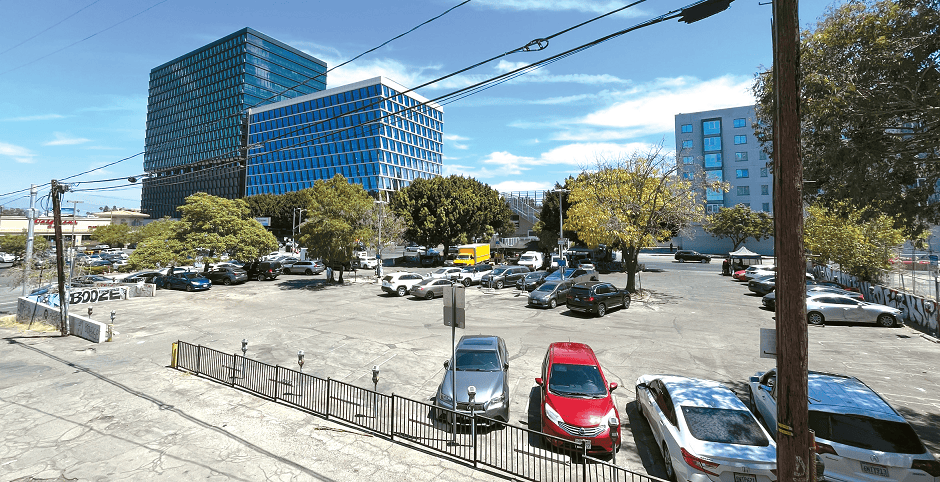
The project has received public support that includes land provided by the city of Los Angeles as well as funding from California and the federal government. Completing it therefore requires sustained negotiations with government agencies and continued management of political relationships.
Five years after Hong’s death, the question confronting the Korean American community is increasingly clear.
What the community needs is not to wait for another Myung Ki Hong.
It needs transparent institutions and accountable leadership capable of carrying major public projects through to completion — without depending on the money, connections and personal drive of a single elder.