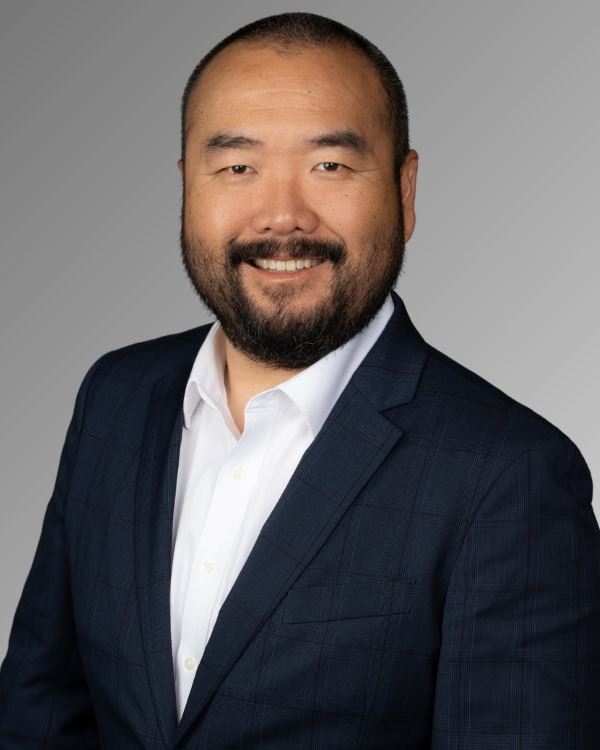
Korean American scientist and venture capital expert Samuel Kim has been appointed chief innovation officer and associate vice chancellor of the Texas A&M University System.
Texas A&M announced on June 2 that Kim had been formally named chief innovation officer, or CIO, and associate vice chancellor after serving in the role on an interim basis since October 2025.
In his new position, Kim will oversee systemwide research commercialization, startup development, industry partnerships and technology transfer strategies.
Since assuming the role, Kim has developed a long-term strategy to expand the commercial and social impact of research conducted across the Texas A&M University System.
The strategy is built around four priorities: strengthening commercialization capabilities, fostering a culture of innovation, building innovation infrastructure and expanding measurable innovation outcomes.
Rather than focusing primarily on patent revenue, the plan prioritizes the broader economic and social impact of university research.
Kim brings more than 20 years of experience in research and development, venture investment, startup creation and business operations in the semiconductor, photonics, advanced materials and nanotechnology sectors.
He is regarded as a rare professional who has worked as a researcher, entrepreneur and venture capital fund manager.
Kim earned bachelor’s and master’s degrees in mechanical engineering from Stanford University and a doctorate in electrical engineering and nanotechnology from the University of Washington.
He also holds multiple patents and has worked extensively in university research commercialization and technology-based entrepreneurship.
Texas A&M University System Chancellor Glenn Hegar praised Kim’s ability to connect academic researchers with industry leaders and investors.
“Dr. Kim has demonstrated an ability to connect researchers, industry and investors so that university research can lead to real-world impact,” Hegar said.