Korean Independence Activist Si-han Ho’s historical records have been unveiled by the Independence Hall of Korea ahead of the 81st anniversary of Korea’s liberation from Japanese colonial rule.
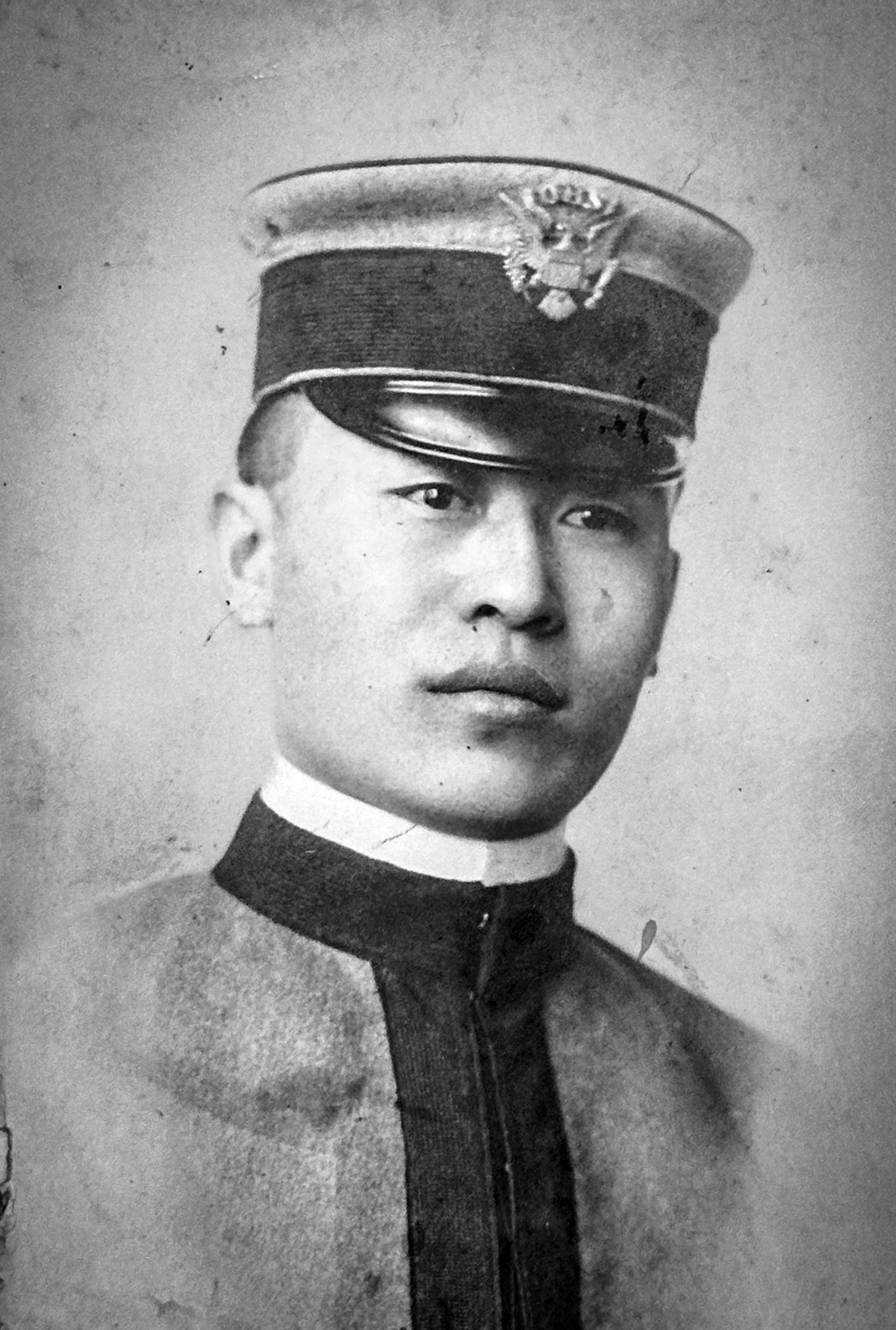
The disclosure comes about a year after records documenting Ho’s independence movement activities were first brought to public attention through The Korea Daily’s ongoing project to locate the graves of Korean independence activists. Until then, even Ho’s descendants were unaware that he had been officially recognized by the South Korean government for his contributions to the independence movement.
The Independence Hall of Korea on Aug. 12 unveiled 17 historical items related to Ho under the theme, “Contributing to Korea’s Independence from the United States.”
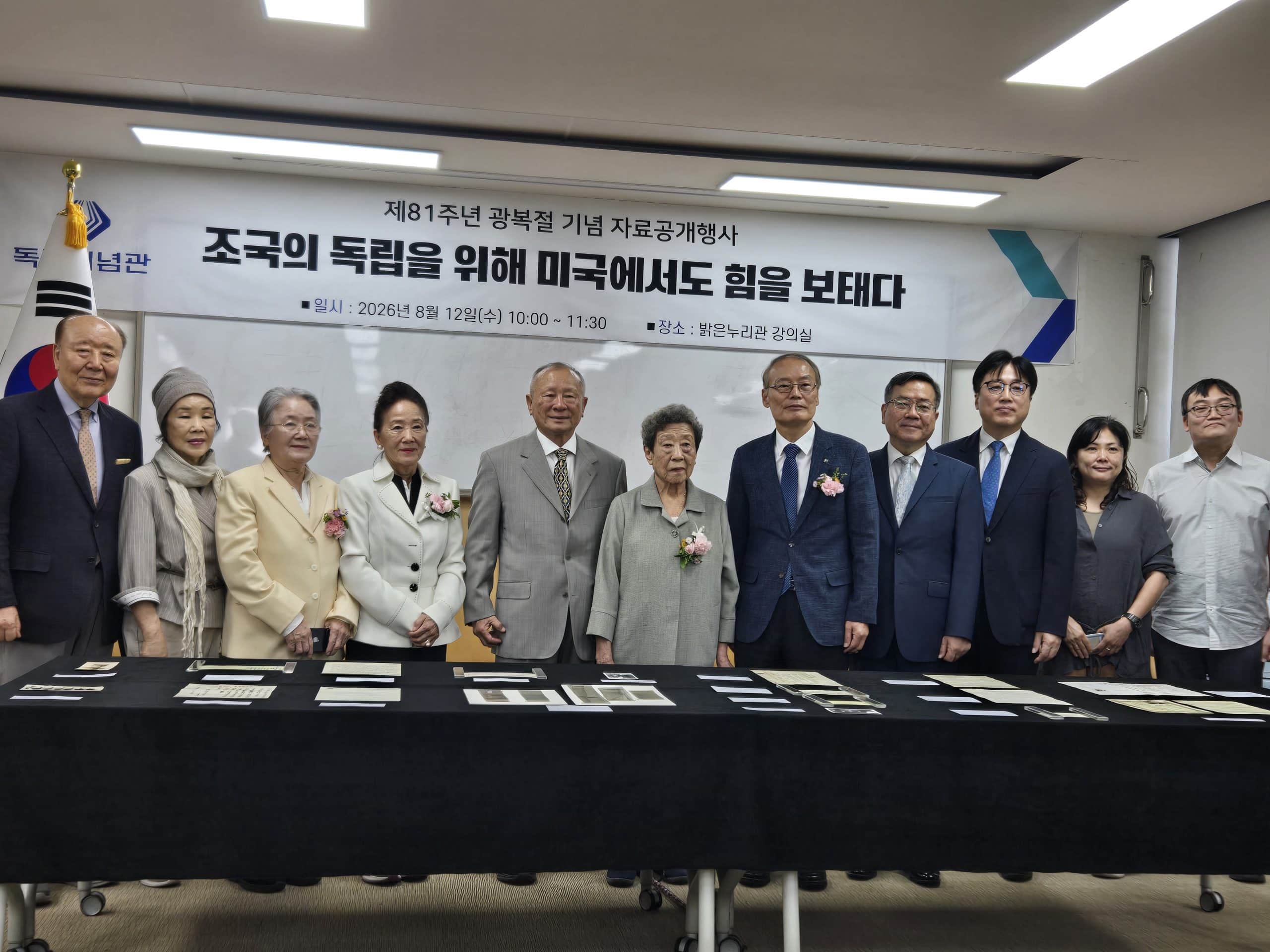
Ho was posthumously awarded the Order of Merit for National Foundation, Aejok Medal, in 2021.
Ho’s daughter, Jae-sook Ho, expressed gratitude that her father’s story had finally become known.
“I’m grateful that The Korea Daily’s reporting brought my father’s independence movement activities to light,” she said. “I’m getting older myself, so I’m thankful that the materials my father left behind can now be properly organized and preserved by the Independence Hall of Korea and shown to the public.”
His eldest grandson, Yoon-jin Ho, said learning about his grandfather through the documents gave him a new appreciation for his life.
“Although I never had the chance to meet my grandfather, going through these materials allowed me to understand what kind of life he lived and how hard he worked for Korea’s independence,” he said. “I’m proud of him. The Korea Daily’s special report last year was where everything began.”
Korean Independence Activist Si-han Ho Rediscovered Through Grave Project
Ho’s story came to light last year through The Korea Daily’s “Finding the Graves of Korean Independence Activists” project, conducted jointly with the Korean National Association Memorial Foundation and Hwarang Youth Foundation and sponsored by Bank of Hope.
While tracing the graves of Korean independence activists buried at Rosedale Cemetery near Los Angeles’ Koreatown, The Korea Daily discovered that Ho had been posthumously awarded the Aejok Medal in 2021. However, because authorities had been unable to identify his descendants, the medal had never been delivered to his family.
After The Korea Daily published its report, Yoon-jin Ho contacted the newspaper. It was then that the family first learned that Ho had been officially recognized as an independence activist.
Historical materials that the family had preserved for decades also became public for the first time through the newspaper’s reporting.
In October 2025, Yoon-jin Ho donated 68 historical items related to his grandfather to the Independence Hall of Korea. Seventeen of those materials were unveiled at the latest exhibition.
Documents Reveal Efforts to Evade Japanese Surveillance
Among the most significant records is a 1922 passport issued by the Republic of China, along with a written statement explaining Ho’s use of a Chinese name.
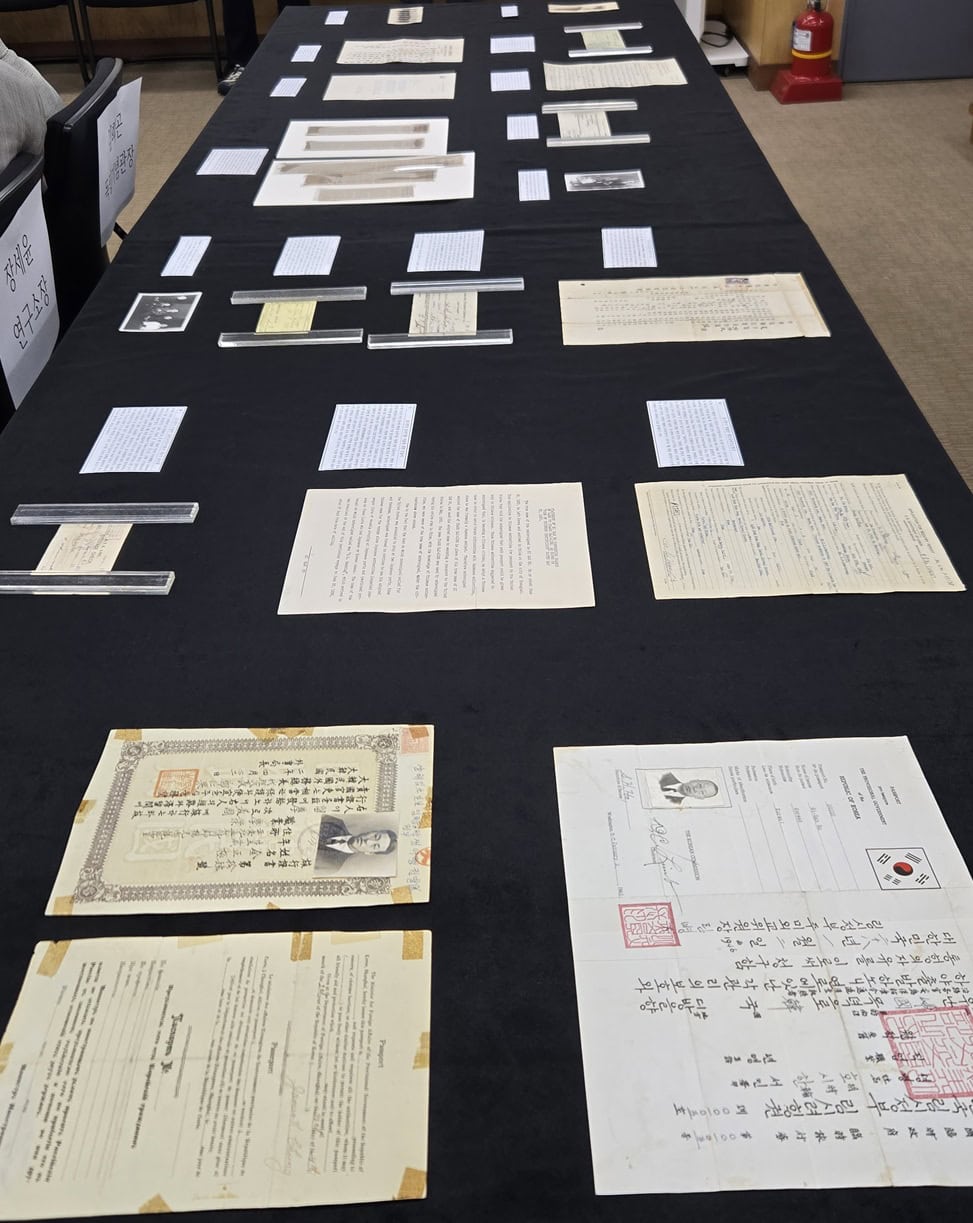
The statement documents how Ho had to continue using a Chinese identity while traveling from Shanghai to San Francisco to avoid surveillance by Japanese authorities.
Also unveiled was a “Temporary Travel Certificate” issued in 1946 by the Korean Provisional Government. The document, issued to Ho under the name of Pyung-jik Limb, chairman of the Korean Commission in the United States, was the 105th such passport.
According to the Independence Hall of Korea, it is the only known surviving physical document demonstrating that the Korean Provisional Government continued issuing passports after Korea’s liberation in 1945.
The collection also includes a letter Ho sent to President Franklin D. Roosevelt in 1940 and U.S. newspaper coverage of his activities. One American newspaper at the time described Ho as “not a citizen, but a true patriot.”
Decades of Support for Korea’s Independence
Ho joined the Korean Mutual Assistance Association in San Francisco in 1908 and helped establish a Korean military training school in Hastings, Nebraska, in 1914.
In 1920, he was arrested by Japanese colonial authorities while attempting to raise funds in Korea for the Korean Provisional Government.
After returning to the United States, Ho continued supporting the independence movement from 1927 through 1945, regularly contributing funds to anti-Japanese activities and the Korean Liberation Army.
The newly unveiled records offer a rare glimpse into the role Korean immigrants in the United States played in the decades-long struggle to end Japanese colonial rule.
Ho’s descendants are now seeking to have his remains repatriated to South Korea for reburial at a national cemetery. The family has informed South Korea’s Ministry of Patriots and Veterans Affairs of its wishes and is scheduled to meet ministry officials again on Aug. 14 to discuss the procedures.