The Rise of the Viral Korean Reusable Bag
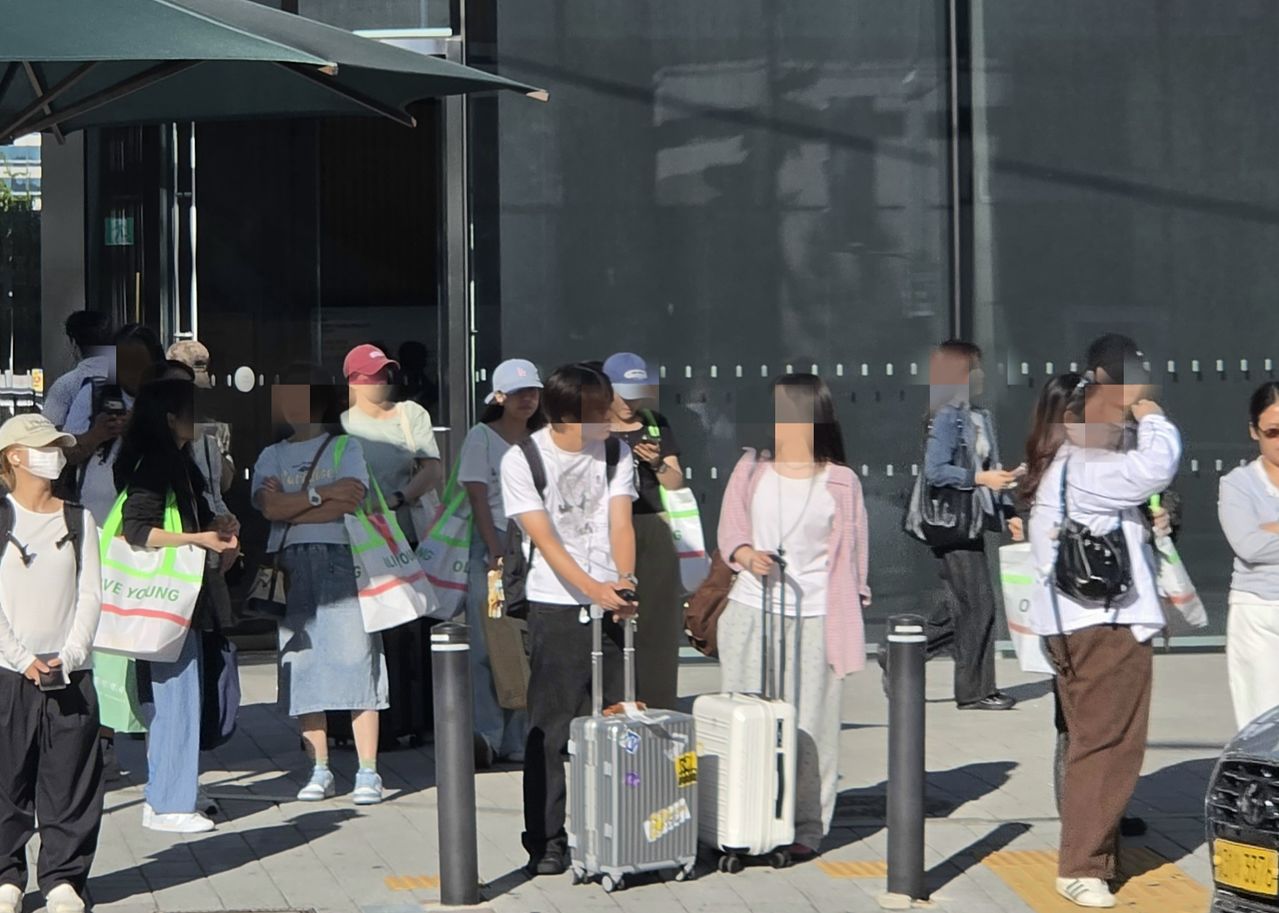
Walking through bustling shopping districts in South Korea, tourists carrying brightly colored green and pink bags have become an unmistakable sight. The Korean reusable bag, sold at Olive Young for about 3,000 KRW (roughly $2.20 USD), has rapidly evolved from a simple eco-friendly shopping alternative into a major global souvenir trend. Anji, a 25-year-old tourist from China, shared that the bag is famous as a mandatory purchase when visiting South Korea, praising its aesthetic appeal and sturdy durability for carrying heavy travel items.
Why Global Shoppers Love the Tarp Bag Trend
According to CJ Olive Young, approximately 2.06 million of these tarpaulin bags have been sold since their launch in January of last year. The surging international demand is even reflected on foreign resale platforms like China’s Xianyu, where the bags resell for 29 to 36 yuan ($4 to $5 USD). Major retail, beauty, and fashion giants in South Korea—including Musinsa Beauty, Chicor, Uniqlo, and Nike—have all jumped on the bandwagon. Convenience store chains like 7-Eleven have released limited-edition Hello Kitty versions, while Paris Baguette collaborated with Major League Soccer’s LAFC on a branded reusable bag.
Practicality and the Shift in Consumer Culture
The skyrocketing popularity of these items comes down to exceptional utility. Despite the low price point, they feature waterproof finishes and durable tarpaulin or non-woven materials. As aesthetic designs replace outdated grocery sacks, they are increasingly viewed as trendy fashion accessories rather than mere utility items. Consumer experts note this shift reflects a broader transition away from flashy luxury shopping bags toward practical value consumption. Furthermore, carrying a branded bag acts as an intuitive form of self-expression, highlighting the rising global status of K-brands among the MZ generation.