Stroke is a severe medical condition that can leave lasting impairments in speech and mobility even for survivors. According to the Centers for Disease Control and Prevention (CDC), more than 795,000 people suffer a stroke each year in the United States, with about one-fourth of these cases being recurrent. As chronic conditions such as high blood pressure, diabetes, and hyperlipidemia increase, the importance of stroke prevention and vascular health management continues to grow.
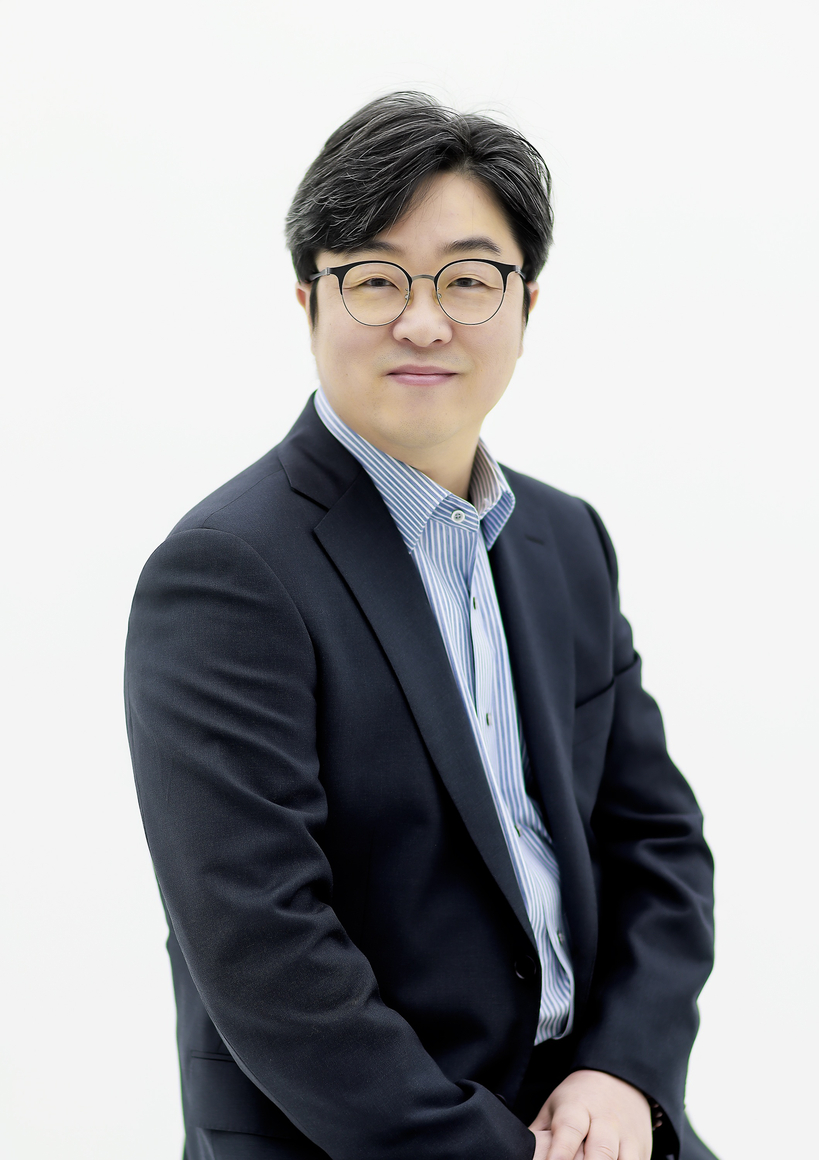
Professor Chang Hyung-jin of the Kyunghee University College of Oriental Medicine is accelerating the US market entry and follow-up research based on the research achievements of Kyunghee Cheonghyeoldan, which has been prescribed for over 20 years. We spoke with Professor Chang, who also serves as the CEO of Panacura, about the development background, clinical results, and future plans.
Kyunghee Cheonghyeoldan is a capsule herbal medicine prescribed at the Stroke and Cerebrovascular Center of Kyunghee University Korean Medicine Hospital since 2002. It is a prescription adding rhubarb to Hwangryunhaedok-tang (Coptis chinensis, Scutellaria baicalensis, Phellodendron amurense, and Gardenia jasminoides), which was recorded in the 752 medical text ‘Wudaibiyao,’ and its research name is ‘HH333.’ Panacura was established to scientifically verify this long-standing clinical experience and commercialize the product.
Cheonghyeoldan does not replace existing treatments. In clinical studies, it was used in parallel with standard drug therapies such as antiplatelet agents. Its competitiveness lies in the combined action of five medicinal herbs and more than 20 years of accumulated clinical and research achievements.
In a 5-year observational study published in 2018, 400 patients with small vessel cerebral infarction took Cheonghyeoldan, and among the 195 who completed the follow-up, recurrent patients accounted for 12 (6.2%). In particular, a 2008 comparative study showed that out of 208 patients who received only conventional medication for two years, 17 experienced a recurrence, whereas only 3 out of 148 patients who took Cheonghyeoldan concurrently experienced a recurrence. Currently, Ministry of Food and Drug Safety-approved clinical trials are underway at three university Korean medicine hospitals to further verify its effectiveness.
Berberine in Coptis chinensis helps regulate cholesterol, while baicalin in Scutellaria baicalensis and geniposide in Gardenia jasminoides are reported to have anti-inflammatory, antioxidant, and neuroprotective effects. Research results regarding Cheonghyeoldan’s improvement of blood lipids, blood pressure, cerebral blood flow, and neuroprotection have also been published.
The standard dosage is two capsules once a day. Existing prescription medications should not be arbitrarily discontinued, and those taking antiplatelet agents or anticoagulants must consult their physician.
It completed US FDA registration in May 2024 and received export product approval from the South Korean Ministry of Food and Drug Safety in October of the same year. It is currently sold in Korean pharmacies in the LA area, with a Canadian launch prepared for 2027.
Based on experience researching GLP-1 at the National Institutes of Health (NIH), an herbal material called ‘JAL2’ that promotes GLP-1 secretion in the body is being developed. Improvements in blood sugar, cholesterol, and visceral fat-related indicators have been observed in animal experiments, and the release of an appetite-suppressing orally disintegrating film product is being promoted.
The foundation of stroke prevention is blood pressure management. Prescription medications should be taken consistently, and a low-sodium diet and walking exercise should be practiced daily. If one side of the face suddenly droops, limbs lose strength, or speech becomes slurred, 911 must be called immediately. Prompt treatment determines the prognosis.
Kyunghee Cheonghyeoldan is available at Korean pharmacies in the LA area, and product and purchase inquiries can be guided by phone.