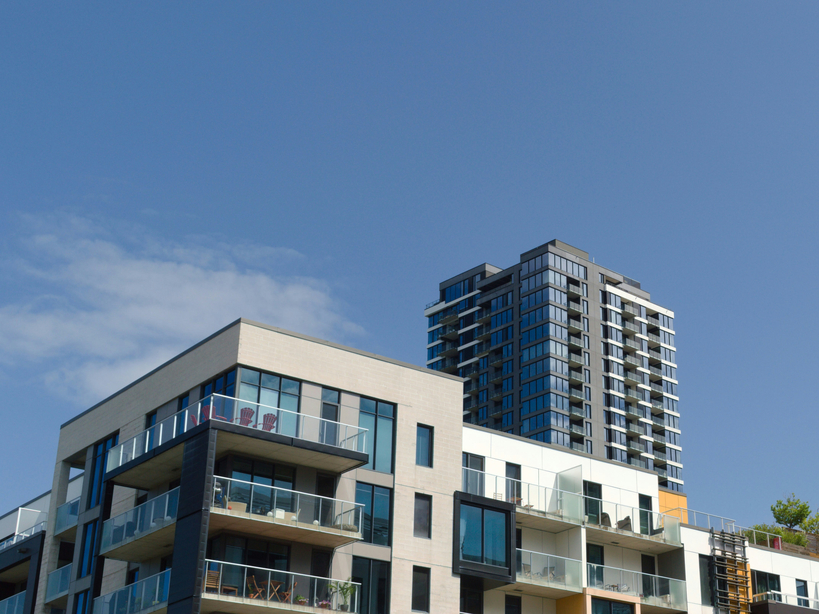
With soaring home prices and high mortgage interest rates making homeownership increasingly difficult, rental demand is experiencing a significant surge in Los Angeles and other major cities across California.
According to rental market analysis data released by the real estate platform Zillow, the Zillow Observed Rent Index (ZORI), which measures rental demand in the LA area, rose by 25.9% compared to the same period last year. This figure outpaces the national average increase rate of 19.2% by 6.7 percentage points.
Rising Costs Push Consumers Toward Renting
This trend is interpreted as the result of prospective homebuyers utilizing the cost difference between purchasing a home and paying rent toward savings or investments, aiming to accumulate assets without taking on a mortgage.
While the monthly average rent in the LA area inched up by just 1.8% year-over-year to $2,929, the monthly financial burden for a new homebuyer jumped 5.3% to $7,473. The monthly cost of homeownership is a staggering $4,544 higher than renting, with a growth rate nearly triple that of rent increases.
Zillow calculated the monthly financial burden for homebuyers based on a 10% down payment and a 30-year fixed-rate mortgage.
Heavy Rent Burden in Southern California
However, even renting—the fallback option for achieving housing stability—remains expensive in LA, placing a substantial strain on household budgets.
Data indicates that a median-income family in LA signing a new lease must spend 33.7% of their income on rent. This ranks as the third-highest level among major U.S. metropolitan areas, trailing only New York (39.7%) and Miami (36.6%). Generally, spending more than 30% of income on housing is considered an excessive housing cost burden.
Other major cities in Southern California face a similar situation. Riverside saw rental demand increase by 26.9% compared to the previous year. While the monthly average rent rose 2.9% to $2,533, the monthly homebuyer burden increased 4.5% to $4,689, making homeownership costs $2,156 higher than renting. Riverside’s rent-to-income ratio also stood at 31.0%, ranking fourth highest nationwide.
San Diego recorded an even higher rental demand surge of 29.1%, surpassing both LA and Riverside. The monthly average rent rose 2.2% year-over-year to $2,967, while a new homebuyer’s monthly burden reached $7,308 after a 4.8% increase, creating a monthly gap of $4,341 between the two options. San Diego’s rent-to-income ratio was 30.1%, placing it fifth in the nation.