Renting in Los Angeles Saves Over $2,000 per Month Compared to Buying
Renting a home in Los Angeles is significantly cheaper than buying, with monthly savings exceeding $2,000.
According to recent data released by real estate platform Realtor.com, the median monthly cost of purchasing a home with two bedrooms or fewer in the Los Angeles-Long Beach-Anaheim metropolitan area stood at $4,836. In contrast, the median monthly rent for a home of the same size was $2,787. This creates a monthly cost gap of $2,049—the largest difference recorded among the top 50 metropolitan areas in the United States.
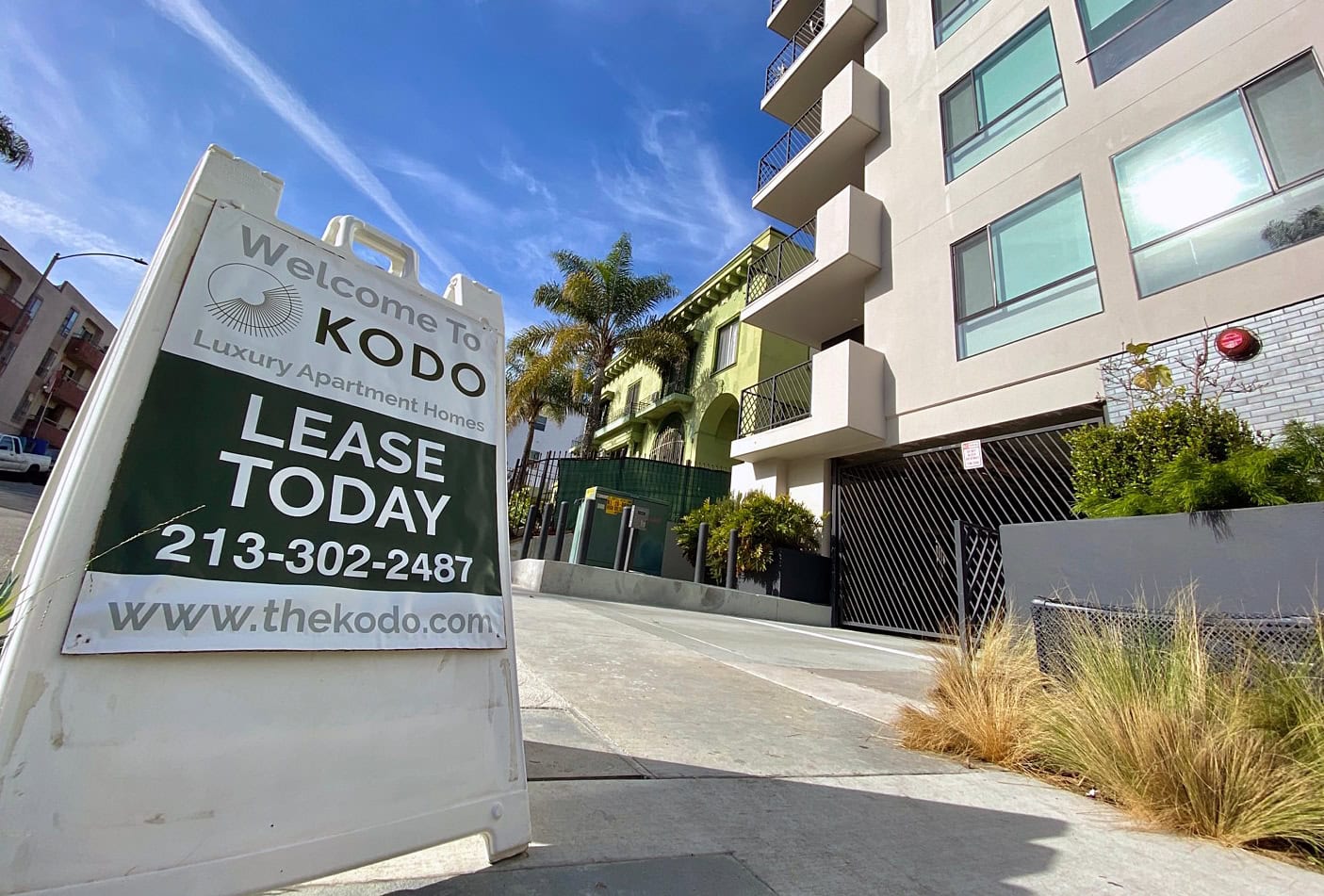
Based on basic calculations, renters in Los Angeles can save approximately $24,600 per year compared to buyers.
The financial gap in Los Angeles is far more pronounced than national benchmarks. Across the country, the average difference between the monthly cost of buying versus renting stood at $858. New York also recorded a substantial gap at $1,823 per month, though it remained below Los Angeles levels.
While national rents have experienced 36 consecutive months of year-over-year declines, home prices and mortgage rates in major metropolitan areas like Los Angeles remain elevated. With home values staying firm alongside high borrowing costs, the ongoing monthly expenses associated with homeownership have expanded at a much faster rate than rental prices.
Demographic and supply shifts have also contributed to changing market dynamics. High housing expenses have slowed population inflow into California, weakening rental demand and elevating vacancy rates. Additionally, city policy relaxations regarding Accessory Dwelling Unit (ADU) construction have expanded the overall supply of rental housing.
Realtor.com noted that this cost disparity could serve as an advantage for renters preparing to buy a home over the long term. By saving roughly $2,000 each month instead of spending it on housing overhead, renters can build up down payment capital to accelerate their timeline toward future homeownership.
Beyond basic monthly mortgage payments, homeownership carries secondary recurring expenses including property taxes, home insurance, maintenance and repair costs, and HOA fees for condos. Renters avoid these direct carrying costs as well as the risk of property value depreciation, leaving saved funds available for alternative investments.
Industry experts also point out that renting offers flexibility while waiting for broader market conditions to improve. If mortgage rates decrease or housing prices undergo a correction, renters will be positioned to enter the housing market at a lower financial entry point.