
An audit by the Los Angeles City Controller’s Office found that the Los Angeles Police Department (LAPD)’s Mental Evaluation Unit (MEU) relies on armed-first control, limits counselor involvement, and measures success by how quickly officers leave a scene rather than by patient safety.
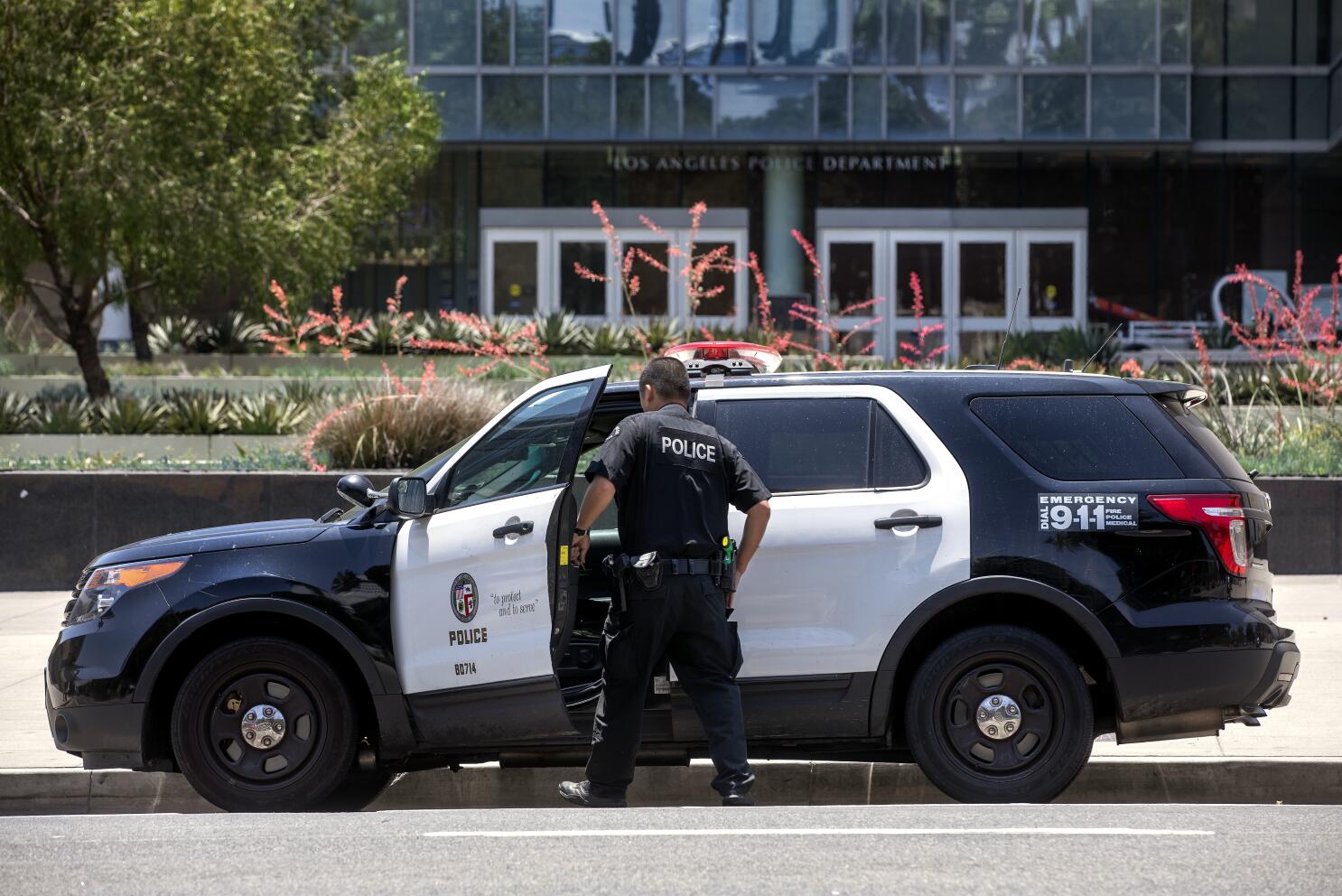
The report revealed that the MEU—which operates as part of LAPD’s mental health crisis response—functions under a structure where “armed officers dominate the scene and counselors are unable to intervene.” It concluded that such a framework “makes de-escalation difficult and eliminates opportunities for nonviolent resolution at critical moments.”
These flaws were evident in the fatal shooting of Yang Yong, a 40-year-old Korean American, last year. Yang’s family had requested assistance from the Los Angeles County Department of Mental Health (DMH), but a DMH clinician, Yoon Sutae, reported the case to police without offering alternatives. Within two and a half minutes of arriving, Officer Andres Lopez from the Olympic Division fatally shot Yang.
LAPD later said that its SMART (Systemwide Mental Assessment Response Team) was present. However, Yang’s father, Dr. Yang Min, disputed that claim, saying, “There were no counselors at the scene. Even if there were, their inaction made no difference.”
The audit noted that despite operating since 1993, the SMART system has seen no meaningful reform. Each team pairs one LAPD officer with one DMH counselor, but in practice it functions as an “officer-led, counselor-assisted” structure. Counselors cannot engage directly until officers declare the scene “safe,” effectively limiting their role to post-incident support.
The report also criticized LAPD’s reliance on armed responses as standard practice, noting that “the most critical window is the first one to three minutes,” during which “counselors often arrive after attempts at control or gunfire have already occurred.”
Concerns were also raised about the Mental Health Intervention Training (MHIT) program, which provides only 36 hours of largely theoretical instruction. The audit found that officers receive no specialized field verification or follow-up evaluations, contrasting with cities such as New York, Seattle, and Denver, which require at least 40 hours of Crisis Intervention Training (CIT) and mandatory refresher courses.
Furthermore, the audit found no measurable decline in fatal use-of-force incidents between trained (0.15%) and untrained (0.20%) officers.
Finally, the report criticized LAPD for measuring success by “how quickly officers can be freed from the scene,” concluding that the department’s performance metrics “prioritize police efficiency over patient safety.”
BY HANKIL KANG [kang.hankil@koreadaily.com]