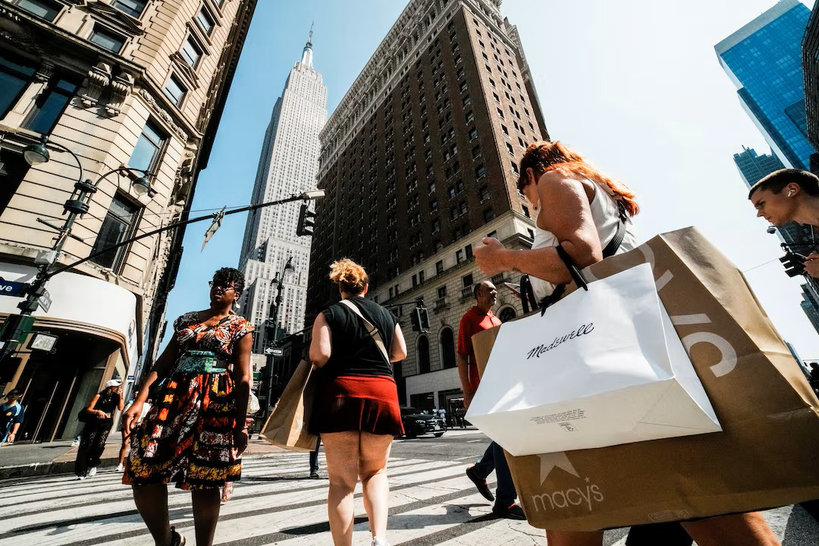
Amid soaring inflation and heavy housing cost burdens, Gen Z is increasingly turning to lipstick effect spending, making small purchases of around $10 to lift their spirits. While cutting back on big-ticket expenses, young people are willingly opening their wallets for relatively affordable items like matcha, desserts, cosmetics, and accessories—a modern continuation of the economic phenomenon where spending on low-cost luxuries increases during downturns.
According to Deloitte’s ‘2026 Gen Z and Millennial Survey’ recently reported by CNBC, 55% of Gen Z respondents said they delayed major life milestones such as marriage, childbirth, further education, and starting a business due to financial reasons. Additionally, 69% noted that housing prices and rent costs directly influenced their employment and location decisions.
Despite these economic pressures, small self-care purchases rarely decline. A Bank of America survey revealed that 92% of Gen Z individuals buy themselves small treats to boost their mood on tough days or to celebrate minor achievements.
Notably, spending growth rates among Gen Z for single purchases of ice cream and bakery items were double those of other generations, while coffee shop spending also jumped by over 25% year-over-year.
This consumer behavior is frequently dubbed ‘little treat economics’ among Gen Z. While long-term financial goals like buying a house or getting married have grown increasingly out of reach, young consumers feel far less financial resistance when paying for immediate gratification items like a cup of coffee, cosmetics, or accessories.
In reality, the financial standing of Gen Z remains precarious. Federal Reserve data indicates that 24% of individuals aged 18 to 29 failed to pay their bills in full during the month prior to the survey, and 47% relied on external financial support from family or household members for daily living costs—such as rent, mobile phone bills, and utilities—over the past year.
Experts view this trend not as mere impulsive spending, but as a coping mechanism to derive psychological satisfaction through small expenditures amid uncertain economic conditions.
However, experts also warn that small purchases can accumulate into significant sums if repeated frequently, highlighting the need for budget management. CNBC recommended setting aside a separate ‘fun budget’ rather than cutting out daily small luxuries entirely, advising consumers to prioritize purchases that bring them the highest personal value instead of buying out of daily habit.