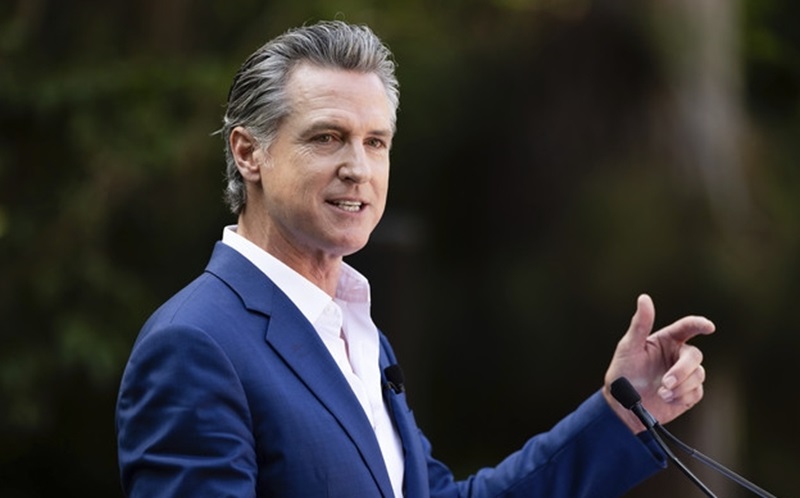
California Governor Gavin Newsom, widely seen as eyeing a presidential run, is clashing with Democratic lawmakers over welfare spending in his final state budget.
Newsom, whose term ends this year, is engaged in a late-stage budget dispute with fellow Democrats in the California Legislature.
As the governor seeks to restrain social welfare spending, Democratic legislative leaders are pushing back against proposed cuts to health care, child care and homelessness programs.
The two sides are expected to continue negotiations over the $356 billion budget for the 2026-27 fiscal year until it takes effect July 1.
CalMatters reported June 15 that Newsom and Democratic leaders remain sharply divided over several major areas of the spending plan.
The nonprofit news organization described the balanced-budget vote held by the Legislature that day as largely procedural.
Regardless of the vote, substantive negotiations between the governor and lawmakers are expected to continue until a final agreement is reached, most likely before the new fiscal year begins July 1.
The largest dispute centers on proposed reductions in social welfare spending.
Newsom has proposed limiting health care benefits for undocumented immigrants, refugees, asylum seekers and human trafficking survivors in response to reductions in federal funding.
Democratic legislative leaders, however, want to delay those restrictions for at least one year while searching for alternatives that would soften their impact.
The two sides are also divided over Medi-Cal premiums.
Newsom proposed increasing monthly Medi-Cal premiums for undocumented immigrants from $30 to $50.
Democratic lawmakers want to postpone the issue until the next governor takes office.
Another point of conflict is the proposed return of asset tests for seniors and people with disabilities seeking Medi-Cal coverage.
Newsom supports reinstating stricter asset requirements, while lawmakers are pushing for more lenient standards.
Education and child care funding are also major areas of disagreement.
Democratic legislators have proposed adding 22,000 state-supported child care slots while rejecting Newsom’s plan to eliminate 6,800 slots.
They also want to allocate $2.7 billion more than the governor proposed for transitional kindergarten through 12th-grade schools and community colleges.
The governor and lawmakers remain far apart on county funding and homelessness spending as well.
The Legislature wants to increase funding for county governments to administer CalFresh food assistance and conduct stricter eligibility reviews for health care benefits.
Lawmakers are also seeking $125 million to rebuild health programs for low-income residents.
For homelessness programs, the Legislature is demanding $900 million, $400 million more than Newsom’s $500 million proposal.
The two sides have found common ground in some areas.
Newsom and legislative leaders broadly agree on measures intended to increase state revenue.
Those proposals include applying sales tax to business software, limiting tax credits available to large corporations and extending a tax on Medi-Cal health care providers.
They are also discussing an increase in the amount California may hold in its Rainy Day Fund.
Current law limits the reserve to 10% of General Fund revenue.
Newsom and lawmakers agree that the cap may need to be raised to help the state prepare for future recessions and fiscal crises.
The budget dispute highlights the political challenge facing Newsom as he approaches the end of his governorship.
Efforts to project fiscal discipline could strengthen his national political profile, but cutting social programs risks alienating Democratic lawmakers and core constituencies within his own party.