The Human Element: Why True Aviation Innovation Rejects Full Autonomy
When observing the rapid pace of technological development, it is easy to assume that the ultimate destination for the future of travel is completely crewless, fully autonomous flight. However, Nikita Ermoshkin, the visionary founder and CEO of Airhart Aeronautics, strongly pushes back against this narrative. For Ermoshkin, the path forward is not about removing the human from the cockpit, but rather redefining what it means to be a pilot.
“The future of aviation will naturally combine automation and autonomous safety layers, but keeping the pilot at the absolute center of the experience remains essential,” Ermoshkin emphasizes. “We are carefully analyzing what defines a ‘highly capable pilot’ today, alongside the specific skills that will be required in the future, to build a system that perfectly bridges that gap.”
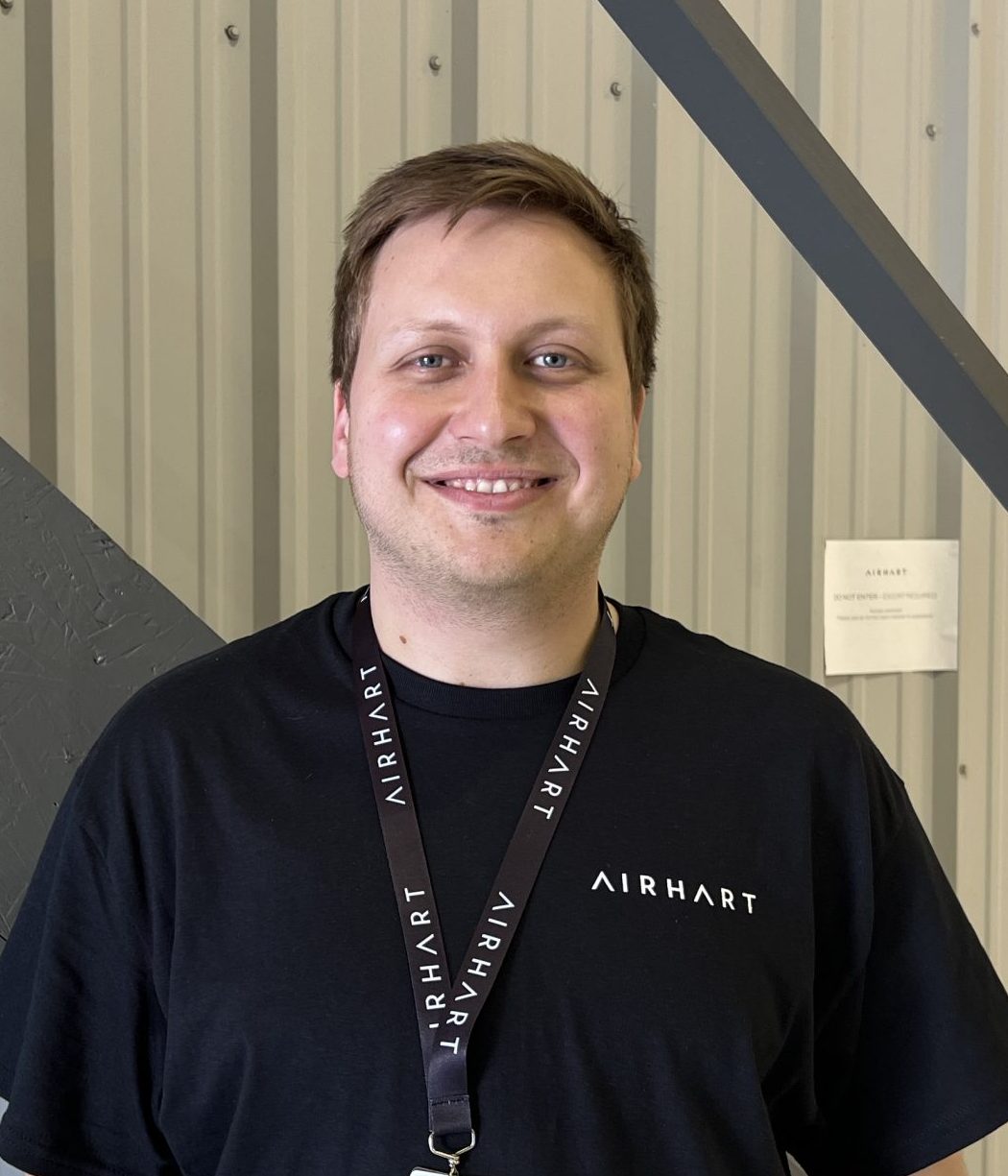
This pilot-centric philosophy stems directly from Ermoshkin’s personal frustrations when he first learned to fly. Despite his background as a high-level electrical and systems engineer at SpaceX, he found the traditional general aviation framework needlessly archaic, intimidating, and rigid. He realized that legacy light aircraft demand far too much mechanical multitasking, which leaves little mental bandwidth for high-level safety decisions.
By designing an integrated ecosystem that strips away the stressful manual coordination of foot rudders and complex throttle adjustments, Airhart allows the human pilot to do what they do best: manage situational risks, navigate changing weather patterns, and communicate with air traffic control. The software handles the tedious micro-adjustments of aerodynamic physics, while the human retains ultimate command.
Universal Appeal: Validating the System Across All Skill Levels
This approach has already yielded overwhelming validation during real-world trials of Airhart’s prototypes and advanced flight simulators. Interestingly, the positive feedback is coming from two completely opposite ends of the experience spectrum.
For complete beginners who have never touched an aircraft control stick, the simplified cockpit removes the overwhelming anxiety typically associated with introductory flights. “People who step into our cockpit consistently note that the system feels significantly less intimidating, highly accessible, and remarkably low-stress,” says Ermoshkin. By lowering the cognitive friction, Airhart aims to radically cut down the traditional 70% student pilot dropout rate.
Surprisingly, veteran aviators with thousands of hours of traditional flight time are praising the system just as highly. Rather than viewing the fly-by-wire automation as a threat to traditional stick-and-rudder piloting skills, experienced pilots appreciate how much the system reduces physical fatigue and mental burnout during long-distance trips.
Furthermore, expert pilots are highly enthusiastic about the advanced, data-driven flight analysis built directly into the avionics platform. Because the system continuously tracks and visualizes precision performance metrics in real time, it acts as a digital flight coach. Experienced pilots can meticulously review their flight data after every trip, allowing them to continuously refine and elevate their decision-making capabilities.
The Ecosystem Strategy: Moving Beyond a Single Product
Ermoshkin is fully aware that reshaping a deeply entrenched, highly regulated global industry requires much more than just selling a beautiful new airplane. To achieve a structural shift in how society views regional travel, Airhart is deploying a comprehensive, multi-tiered ecosystem strategy.
“You cannot spark a fundamental transformation in general aviation by introducing a single, isolated product,” Ermoshkin explains. “Our roadmap is a systematic, step-by-step expansion. We are starting by mastering the core avionics software and hardware, moving directly into simplified flight control technologies and streamlined modern training programs, and ultimately integrating all of these components into a fully unified, proprietary aircraft platform.”
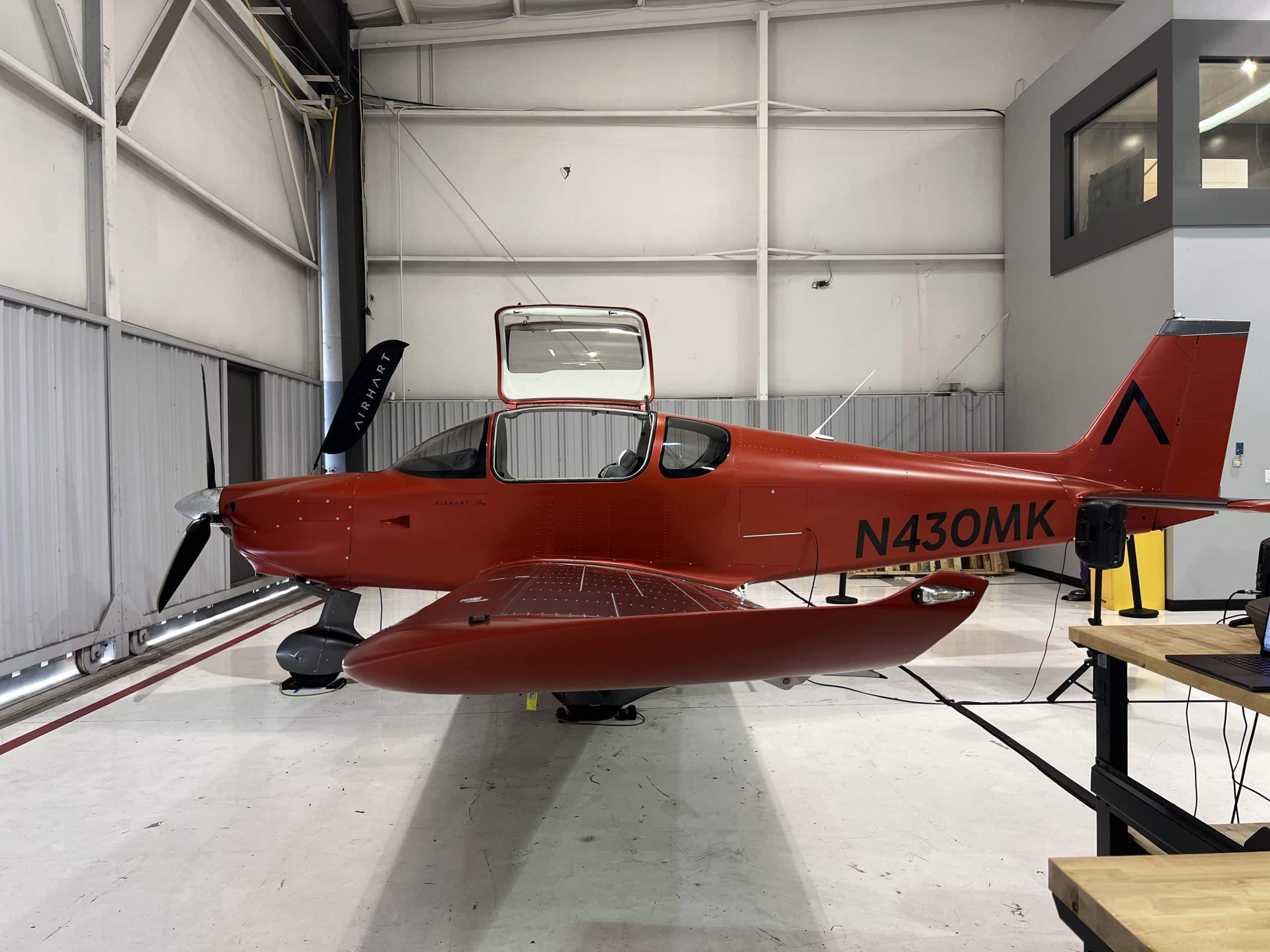
By controlling the full stack—from the sensor fusion math running on the flight computers to the pilot training curriculum—Airhart ensures that every piece of the aviation puzzle works in perfect harmony. The short-term goal is to deploy these modular systems onto existing, proven airframes like the Airhart Sling. The long-term vision is an entirely new class of mass-produced, highly affordable personal transport vehicles that make regional air travel as commonplace, safe, and intuitive as packing up the family minivan for a weekend road trip.