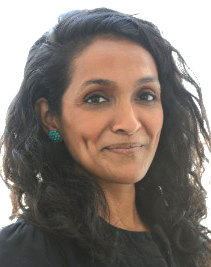
The method of selecting a successor for District 4 of the Los Angeles City Council, previously held by Councilwoman-elect Nithya Raman, is sparking growing controversy. While local community groups are demanding a special election, the city council is also considering directly appointing a successor.
Raman is scheduled to take office as the city’s mayor on December 14. Consequently, the District 4 council seat—which includes parts of Hollywood Hills, Silver Lake, and the San Fernando Valley—will become vacant.
According to the Los Angeles Times on the 12th, Council President Marqueece Harris-Dawson stated that because the council will enter its winter recess the day after Raman takes office, the decision regarding a successor will be made next year. Raman has not yet released a position on whether a special election will be held.
Under current regulations, the city council can either hold a special election or directly appoint a successor. Local community groups are pushing back, arguing that having the city council choose a successor limits voters’ freedom of choice.
The Encino Property Owners Association, located within District 4, unanimously adopted a resolution on the 11th demanding a special election. Association President Rob Glushon argued that the city council appointing a successor is effectively no different from backroom corruption, asserting that residents must directly elect their representative.
Mentioned as potential successor candidates are Jimmy Biblarz, who served as a senior advisor and legal counsel for Raman’s mayoral campaign, and Ethan Weaver, a Los Angeles deputy city attorney who lost to Raman in the 2024 city council election. Both individuals have expressed their intent to run if a special election is held.
Apart from the controversy surrounding the District 4 successor, Raman faces another impending challenge: solving the city’s homelessness crisis.
Raman has pledged to cut the number of street unhoused individuals in half by the 2028 Los Angeles Olympics. Her vision includes shortening the temporary shelter stay period to under four months and increasing placements into long-term housing by providing up to two years of rent and settlement support services.
However, the number of street unhoused people in Los Angeles reaches approximately 29,000. Ahead of the Olympics, the city must also resolve homelessness around stadium areas, but concrete execution plans and additional budgets have yet to be secured.