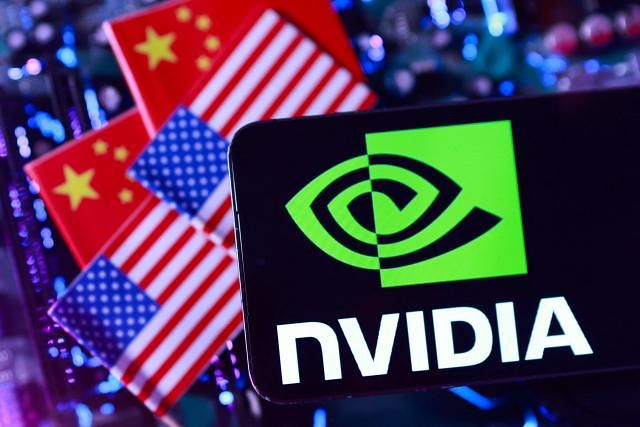
Recent investigations reveal that NVIDIA AI chip supplies intended for US partners were heavily funneled into Chinese entities through sophisticated workaround channels. As the United States tightens restrictions to block these bypass routes, Chinese artificial intelligence firms are experiencing immediate hurdles, including delayed model rollouts.
However, industry experts note an underlying paradox: these sweeping export controls may inadvertently strengthen domestic competitors like Huawei. By restricting access to advanced hardware, the US is inadvertently providing a powerful catalyst for China to speed up its own semiconductor manufacturing and design capabilities.
Exposing the Backdoor Routes for Advanced GPUs
According to investigative reports by US media outlets and research groups, prominent front companies registered in the US and Southeast Asia were actually fronts for Chinese tech firms. Key NVIDIA partners, such as ReCloudeAI and Abris, were linked to Chinese entities like Shenzhen Yusinfo Technology and Inspur. Billions of dollars worth of advanced Blackwell and B300 server clusters were routed through data centers in Malaysia, Indonesia, and Singapore to service major Chinese tech giants including Alibaba and ByteDance.
In response to these findings, the US Department of Commerce has swiftly moved to close the loopholes. New regulations require explicit government approval for exporting advanced computing power and AI hardware to Southeast Asian data centers that serve restricted nations. Major distributors have also stepped up compliance to prevent any computational capacity from reaching prohibited Chinese buyers.
Immediate Bottlenecks vs. Long-Term Tech Independence
The restrictions are causing an immediate crunch for China’s AI sector, which has historically relied on overseas cloud rentals and chip smuggling for nearly half of its computing resources. Prominent Chinese startups have already been forced to postpone flagship model releases and scale back multi-million dollar foreign data center contracts due to the stringent new compliance framework.
Despite these setbacks, major industry players and analysts warn of long-term consequences. With US-made silicon becoming increasingly difficult to acquire, Chinese firms are doubling down on domestic alternatives. Huawei, backed by massive research and development investments, is successfully building a localized supply chain spanning chip design, manufacturing, and components, ultimately pushing the nation closer to full technological self-sufficiency.