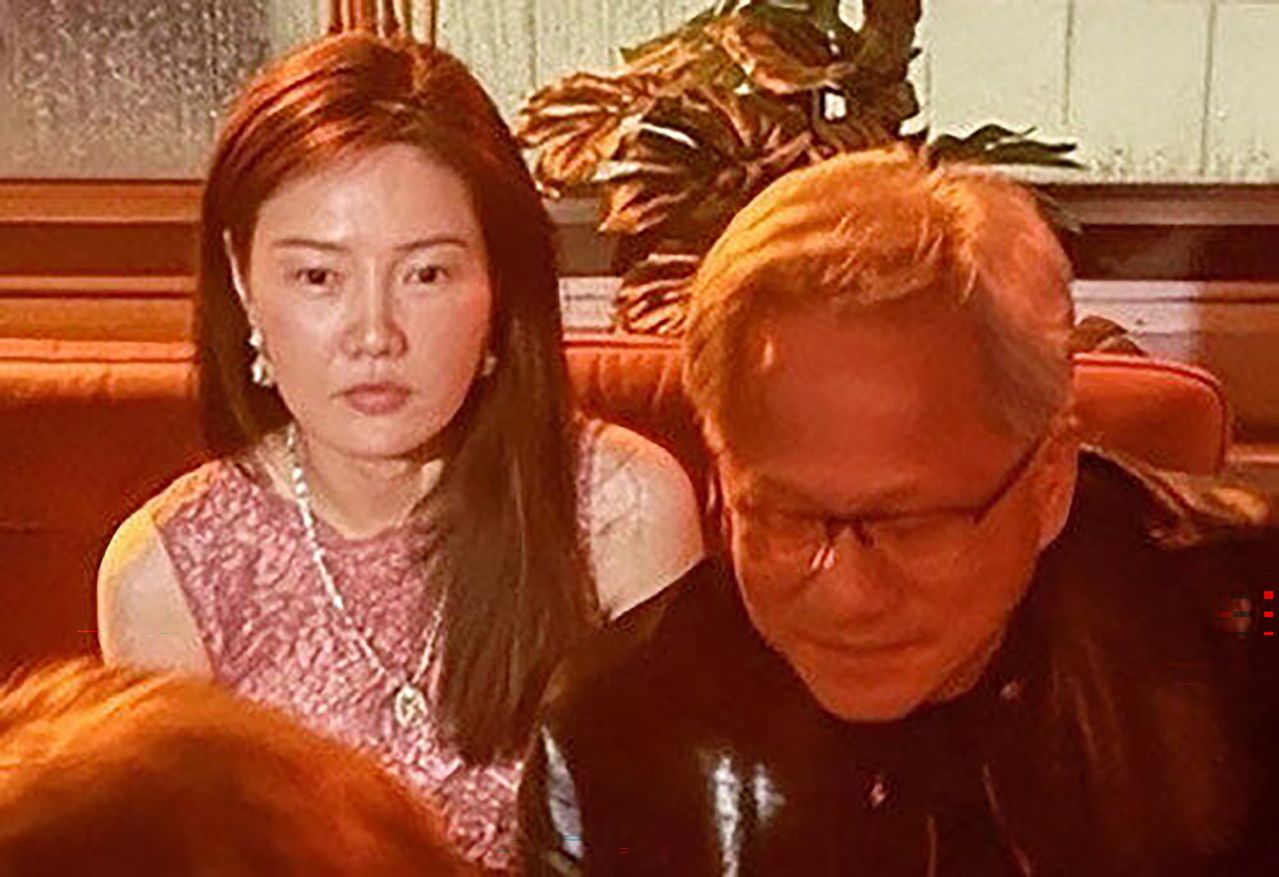
A high-profile report has revealed that US Secretary of State Marco Rubio directly supervised the creation of a confidential memo warning about ties between Nvidia Jensen Huang and a woman suspected of being a Chinese spy.
According to the New York Times on the 8th (local time), citing multiple sources, this classified document was distributed to high-ranking administration officials last May ahead of US President Donald Trump’s visit to China.
The document was based on electronic surveillance data from US intelligence agencies regarding Alice Huang (Chinese name Huang Le), a Chinese woman who served as an executive at Megaspeed, a Singapore-based data center company.
US authorities have been investigating whether Megaspeed, associated with Huang Le, was involved in smuggling restricted Nvidia advanced artificial intelligence (AI) semiconductors into China.
Authorities captured intelligence indicating that Huang Le was recruited and operated by China’s top intelligence agency, the Ministry of State Security (MSS), and maintained an intimate relationship with an American citizen. Background checks on the individual led them to identify the person as Jensen Huang.
The New York Times noted that the administration’s high-ranking officials were already aware of Jensen Huang’s private life and alleged connections to Chinese intelligence, despite his lobbying efforts for relaxed AI semiconductor export regulations and his significant influence on President Trump.
According to the NYT, President Trump had already received briefings regarding authorities’ assessments of Huang Le a year ago, but no separate action was reportedly taken.
Megaspeed has purchased $2 billion (approx. 2.7 trillion KRW) worth of Nvidia products in recent years while operating a small office with virtually no local business foundation. The company has been constructing data centers in Southeast Asia to lease computing resources to China’s Alibaba.