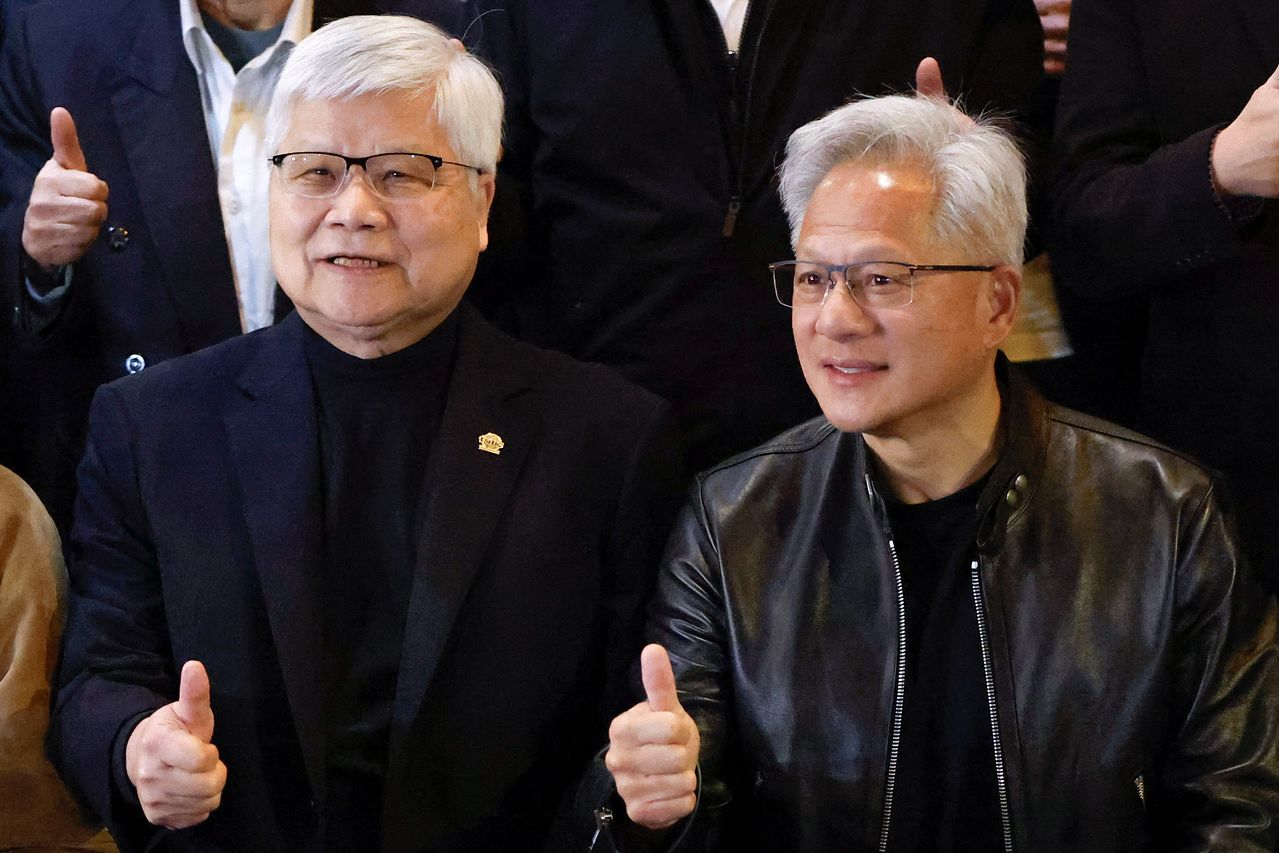
The Nvidia TSMC partnership and the dual strategies of artificial intelligence semiconductor powerhouse Nvidia are drawing intense scrutiny from the global chip industry. While maintaining tight alliances with South Korean memory semiconductor giants, moves by Nvidia to restructure its supply chain with TSMC, the world’s top foundry, have raised alarms.
The Dual Strategy Threatening Korean Chipmakers
Industry sources and foreign tech reports indicate that TSMC has been exploring the production of next-generation 3D DRAM at Nvidia’s request. Although TSMC initially downplayed the rumors to reaffirm its core foundry business model and cooperation with SK Hynix on High Bandwidth Memory (HBM), recent actions by Nvidia suggest otherwise.
Nvidia recently introduced ‘NVHBM’, a custom memory solution integrating its own memory controllers onto the base die. Furthermore, reports emerged demanding that Samsung Electronics, SK Hynix, and Micron utilize TSMC’s 3-nanometer process for base die production. This signals a growing influence by Nvidia over memory design and manufacturing choices, driven by HBM supply shortages and the GPU memory bottleneck.
Shifting Power Dynamics in AI Supply Chains
Experts note that TSMC could capture high-value areas of the memory industry without even building a dedicated DRAM plant through pathways like advanced packaging, hybrid bonding, and 3D DRAM peripheral manufacturing. If TSMC handles hybrid bonding as HBM stacking increases, Nvidia and TSMC could secure ultimate control over finished product design and manufacturing.
Industry experts warn that failing to secure technological leadership in base dies, bonding, and thermal processing could relegate South Korean memory giants to mere subcontractors supplying raw DRAM cells. To defend their market position, Korean firms must become co-designers of base dies, secure mass production capabilities for hybrid bonding ahead of competitors, and diversify custom HBM clients.
Expanding Collaborations and Future Outlook
Simultaneously, Nvidia continues to expand its ecosystem through broader partnerships in South Korea, including a three-way MOU with SK Telecom and Rebellions for NPU integration. While these initiatives provide local AI chipmakers with validation opportunities, they also reinforce Nvidia’s overarching platform dominance.
As the competitive landscape intensifies, experts emphasize that the academic and government sectors must strengthen research and development in 2.5D and 3D packaging, advanced memory interfaces, and integrated logic-memory design to safeguard national semiconductor sovereignty.