The Jet Lag is Real: Why Permanent Daylight Saving Time Could Ground Airline Schedules for Years
If you think losing an hour of sleep in the spring is brutal, imagine trying to reschedule millions of global flights. As Congress pushes forward with a bill to make permanent daylight saving time the year-round standard, America’s aviation industry is flashing a massive warning light. Carriers say sticking to a single clock isn’t as simple as flipping a switch—it could actually trigger a logistical headache taking up to two years to untangle.
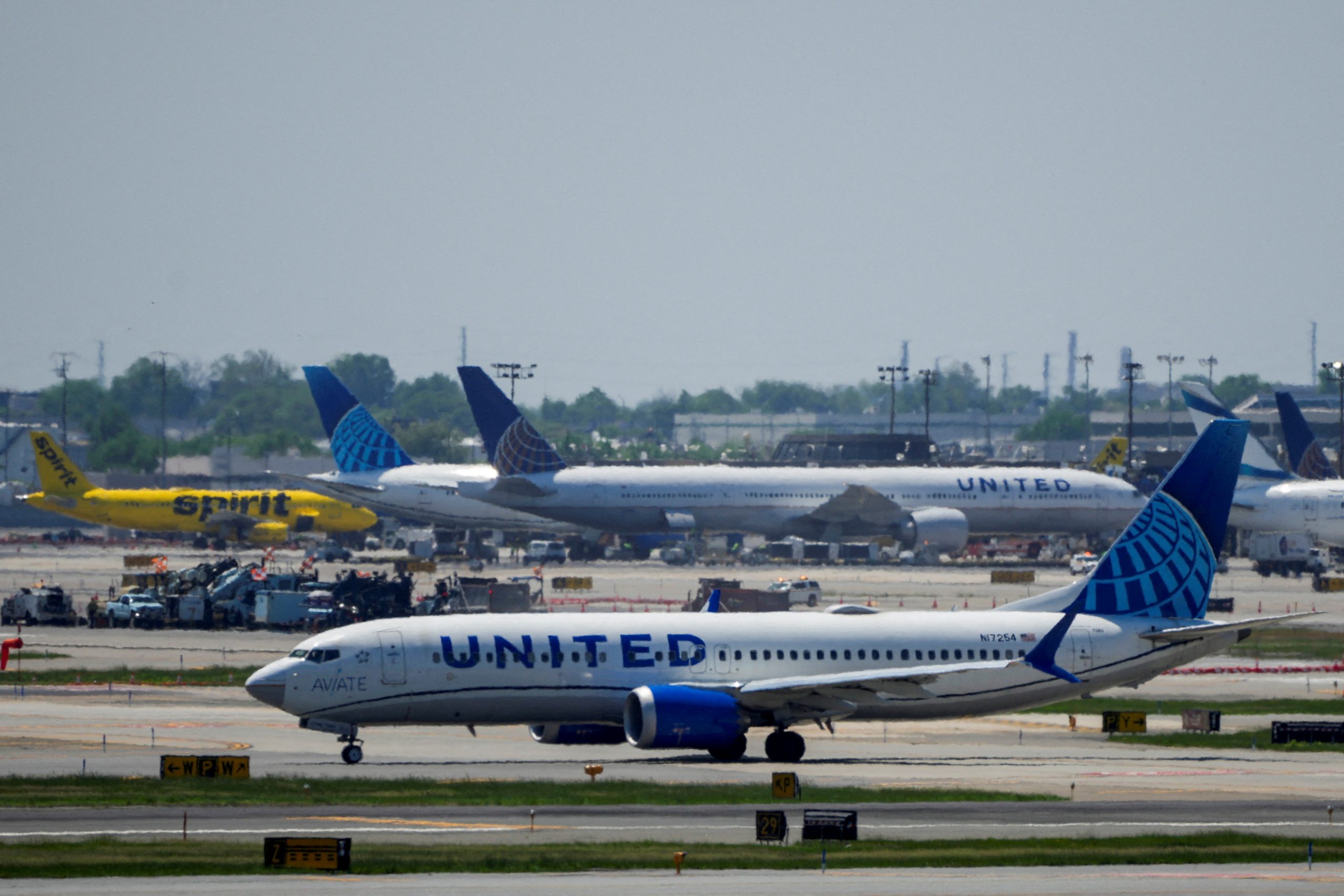
The House recently voted in favor of keeping the clocks permanently shifted ahead. While the legislation now heads to the Senate before potentially landing on President Trump’s desk, airlines are already sweating the operational turbulence ahead.
The 24-Month Countdown to Fix Global Flight Gridlock
According to Airlines for America (A4A), the trade association representing major carriers, a shift to permanent daylight saving time would severely disrupt highly interconnected global networks.
The industry group stresses that airlines require stability and predictability to function. If the law changes, carriers will need a significant buffer to reprogram everything from crew positioning and payroll systems to reservation software and international connectivity. Because international flight slots are coordinated months, sometimes years, in advance with countries that don’t change their clocks, a sudden shift in U.S. time could throw global airport timetables into absolute chaos.
While some aviation analysts argue that a two-year timeline sounds a bit extreme—suggesting six months to a year might suffice—they agree that the software overhaul across reservation, maintenance, and crew scheduling platforms will be a massive undertaking.
Who Wins and Who Loses When the Clocks Stop Moving?
The debate over changing the clocks has always been polarizing, but economists and health experts argue that the status quo is doing more harm than good. Studies show that the biannual time jump triggers a spike in auto accidents, heart attacks, strokes, and a massive dip in workplace productivity.
“Just pick one—I don’t care which one—and stick with it,” says William Shughart, an economist at the Independent Institute, noting that the health and productivity losses of adjusting twice a year are staggering.
However, standardizing the clock doesn’t benefit every industry equally. Outside of the airline, trucking, and railroad sectors facing tech upgrades, the biggest winners of year-round extra evening sun are niche markets like golf courses and outdoor recreation businesses.
For the average traveler already dealing with occasional delays, the transition period could mean a few confusing months at the terminal. Even under normal circumstances, minor time adjustments see passengers showing up late for flights. If the U.S. permanently locks in its time zones, you might want to double-check your boarding pass twice.