Fork Out the Microplastics: How Sugar-Fed Bacteria Are Disrupting Single-Use Plastics
If your lunch order came with a side of environmental guilt, you aren’t alone. Traditional plastic utensils fragment into persistent microplastics that linger for centuries in our oceans, soil, and bodies. Enter PHA bioplastics—a promising bio-based alternative currently being whipped up in a Massachusetts laboratory to make single-use items naturally disappear without a trace.
According to a report by Associated Press (AP), researchers at CJ Biomaterials’ Woburn research facility are transforming pebble-sized pellets into compostable forks, straws, and packaging films. Unlike conventional fossil-fuel plastics, these products are designed to break down seamlessly in natural environments, offering a tangible solution to the global plastic pollution crisis.
How Sugar and Microbes Reinvent the Plastic Palette
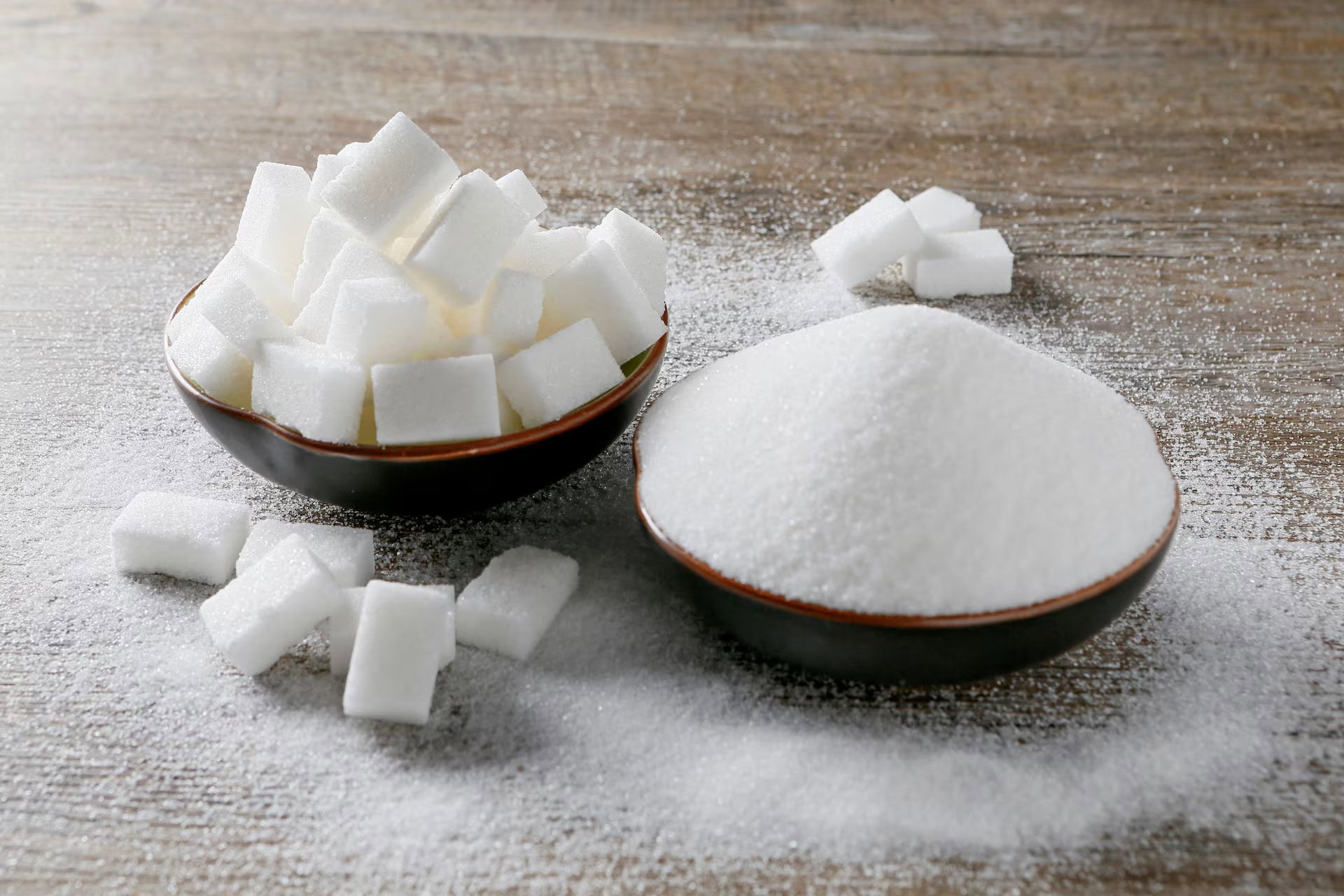
At the core of this green revolution is a smart biological process. CJ Biomaterials feeds renewable sugar to microbes, which naturally convert it into polyhydroxyalkanoates (PHAs)—a type of fully marine- and soil-biodegradable polymer. The company extracts this material, forms it into granules, and supplies it to manufacturers to create everything from hot-drink cups to sushi trays.
Because these PHA bioplastics rely on organic polymers, the exact same microorganisms found in a compost pile recognize the material as food. Within roughly six months, bacteria completely consume the utensils, leaving behind zero microplastics or toxic residue.
Market Potential vs. The Single-Use Debate
While bio-based plastics currently account for roughly 0.5% of the 400+ million metric tons of plastic produced globally each year, the industry group European Bioplastics projects production will double by 2030. Major chains and venues are already experimenting with bio-based packaging; for instance, bakery chain Tous les Jours uses PHA straws. Field tests by environmental groups like the 5 Gyres Institute confirm that biodegradable utensils break down and fragment in real-world ocean and soil conditions, whereas standard plastic cutlery remains virtually untouched over a 64-week period.
However, the transition isn’t without hurdles:
-
Cost & Infrastructure: Bioplastics typically cost more than petroleum-based plastics, and municipal composting access remains limited in many regions.
-
Environmental Debate: Groups like the Global Alliance for Incinerator Alternatives caution that bioplastics still perpetuate a “single-use” culture and divert agricultural land away from food crops.
A Sustainable Path Forward
While bioplastics aren’t a single silver bullet, experts view them as a crucial component of a broader strategy to reduce petroleum dependency. By swapping hard-to-recycle food packaging with truly compostable alternatives, we can keep methane-generating food waste out of landfills while preventing persistent microplastics from flooding our ecosystems.
Source: Associated Press (AP), “Plastic forks shed harmful microplastics. Plastic created from sugar an alternative” by Jennifer McDermott.