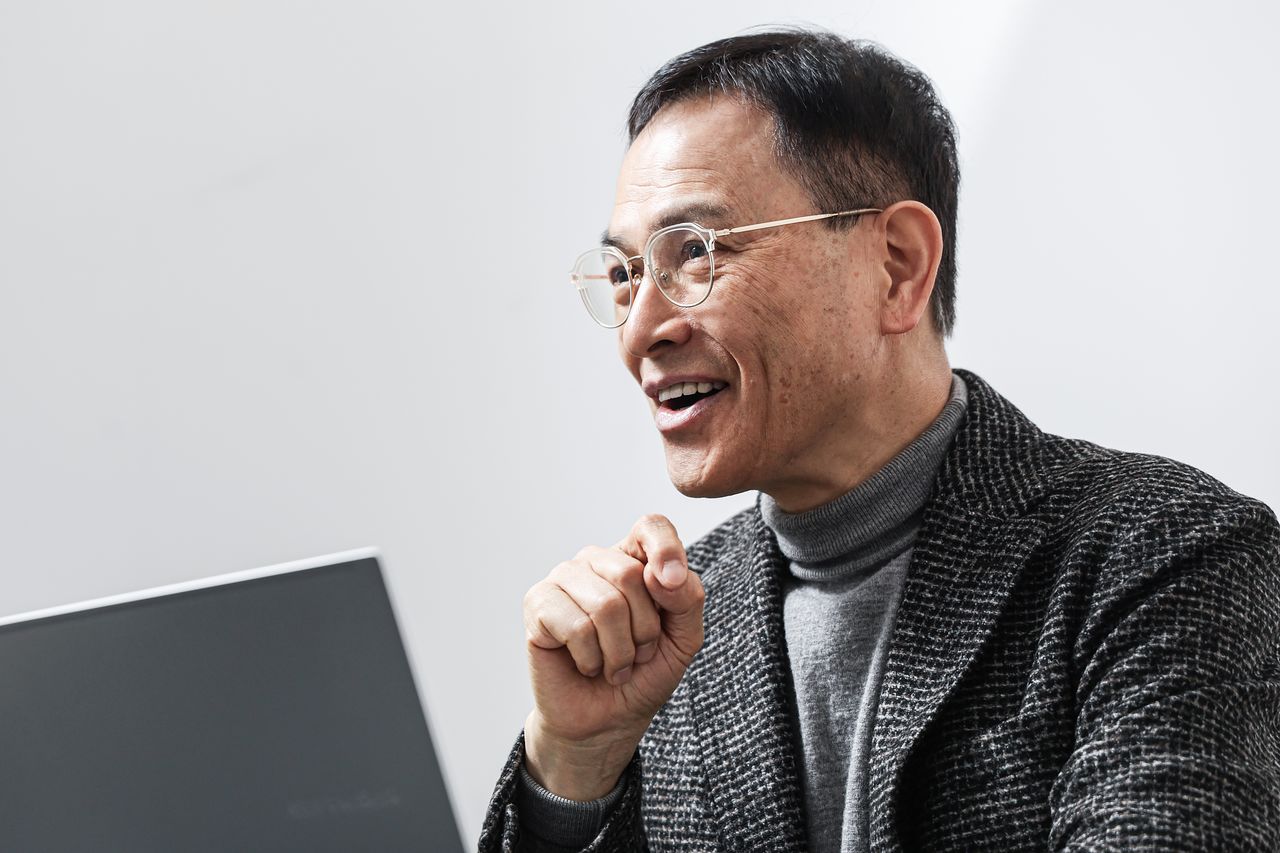
When I retired from the Bucheon City Hall after 31 years of public service at age 61, I genuinely believed that having around 3.5 million won a month would allow me to live comfortably without working. I had set up a steady cash flow through civil servant pensions, private pensions, and savings. My wife planned to receive her national pension early upon her retirement, and I figured that if we needed more money in our seventies or eighties, we could rely on a housing pension.
However, that sense of security was shattered when senior colleagues and acquaintances began passing away unexpectedly. Working in the office, I often heard about senior colleagues who seemed healthy while working, only to fall ill immediately after retirement, followed abruptly by sudden obituary notices. It happened to quite a few people who left us far too early.
During my final decade before retirement starting in 2016, I began interviewing 65 different people to document their second-act stories. One day, while trying to convince a prospective interviewee to participate, a text message arrived on his phone. When I checked it urgently, it was an obituary. His child had used the father’s phone to notify his saved contacts that he had passed away from a sudden heart attack early the previous morning.
That individual had worked as a general office worker, obtained a fire safety manager certification, and immediately stepped into a small building’s facility manager role upon retirement. After he passed away, it turned out he had been suffering from leukemia. At only 62 years old, it was far too young to leave this world.
Around the same time, health warning signs appeared in my own body. My 2023 health checkup revealed that my coronary artery calcification score was in the high-risk group. At the university hospital, doctors discovered that several blood vessels were over 70% blocked, requiring immediate hospitalization and a stent procedure.
Faced with the unexpected obituaries of seniors and my own health scare, I realized that post-retirement mortality is not just someone else’s problem. It deepened my reflections on my own second act in life. The profound realization that struck my heart was simple: humans live by a sense of purpose. If the reason we have to live collapses, we can vanish in an instant, and for most people, retirement jobs and active work fulfill that essential sense of purpose.
For those navigating the uncertainty of life after leaving a long-term career, exploring diverse fields such as cargo transport, beekeeping, philosophy centers, caregiving, facility management, and professional foraging can provide immense inspiration. A hands-on approach of joining interviewees directly at their workplaces and helping with their daily tasks offers invaluable practical experience for anyone planning their next chapter.