
Ditching the Desk: How Middle Class Content Creators Are Quietly Winning the Career Pivot
Forget chasing millions of followers or praying for viral Hollywood-style fame. A quiet revolution is happening across corporate cubicles, and middle class content creators are leading the charge. Armed with modest followings, daily vlogs, and niche expertise, a growing number of young professionals are realizing that a small, highly engaged audience is all it takes to match—or vastly outpace—a traditional midlevel office salary.
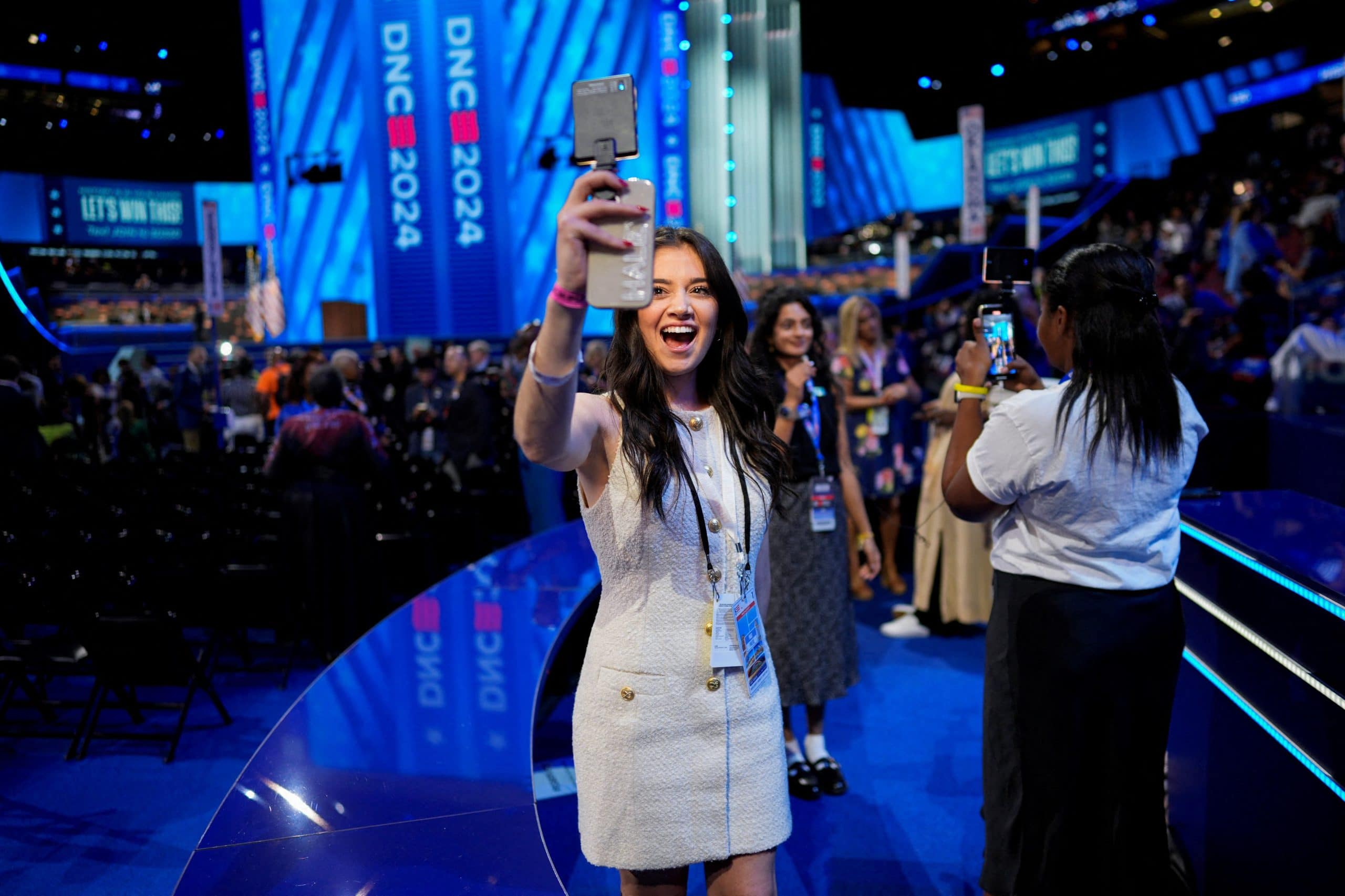
The white-collar exit strategy has evolved. Instead of aiming for mega-stardom, everyday workers are turning platforms like TikTok, Instagram Reels, and Amazon storefronts into sustainable, middle-class livelihoods through micro-brand deals and affiliate links.
Why Brands Love Micro-Influencers (and Their Bank Accounts)
The math behind this shift is surprisingly practical. Brands are shifting massive budgets away from celebrity macro-influencers and reallocating funds to middle class content creators with fewer than 100,000 followers. Why? Higher engagement and better ROI.
While mega-creators command massive paychecks with average engagement rates hovering around 1.1%, micro-creators average 3.2%—with top performers topping 10%.
Consider the real-world numbers:
-
Abi Platock (25,000 followers): Signed her first four-figure brand deal with Secret Deodorant while holding just 8,000 TikTok followers. She expects to pull in $50,000 from creator deals this year alongside her part-time marketing work.
-
Bonsa Nemera (100,000 followers): A 28-year-old resident dentist making $76,000 at his clinic pulled in roughly $180,000 from brand deals in just two months by sharing oral care and personal finance content.
As corporate dissatisfaction reaches record highs—especially among Gen Z and tech workers—the appeal of taking control of one’s income stream has never been stronger.
The Reality Check: High Hustle, Low Protections
While swapping spreadsheets for video editing offers schedule flexibility, the path of middle class content creators isn’t without friction. Behind every polished 30-second clip are hours of scripting, lighting setup, contract negotiation, and relentless brand reshoots.
Furthermore, creator life comes with built-in volatility:
-
Unpredictable Cash Flow: Income can swing from $0 one month to $10,000 the next.
-
No Safety Net: Benefits like employer-sponsored healthcare, paid leave, and 401(k) matches are nonexistent.
-
Platform Risk: Algorithm shifts or sudden platform outages can freeze revenue streams overnight.
Because of this instability, creators like Anna Fenstermacher—who pulled in $140,000 last year from her side-hustle content—choose to keep their traditional full-time jobs for stability while running their online business during off-hours.
The Future of the Workplace Is Hybrid
The creator economy isn’t just about escaping work; it’s about redefining what work looks like. Whether stepping away from the office entirely or leveraging content as a lucrative side income, modern professionals are proving that you don’t need a golden ticket to build a lucrative career online—just a smartphone, a clear niche, and the grit to build an audience.