A Korean-American war veteran from Southern California, who repeatedly faced death on the battlefields of Iraq, is drawing significant attention by building a mental health servce network designed to heal the psychological wounds of fellow soldiers and their families.
Paul Kim, the CEO of Sensible Care and an Iraq War veteran, launched a mental health platform to improve healthcare accessibility based on his personal battles with Post-Traumatic Stress Disorder (PTSD). “Surviving the war was difficult enough,” Kim recalled, “but navigating the healthcare system to get treatment after returning home was another battle entirely.”
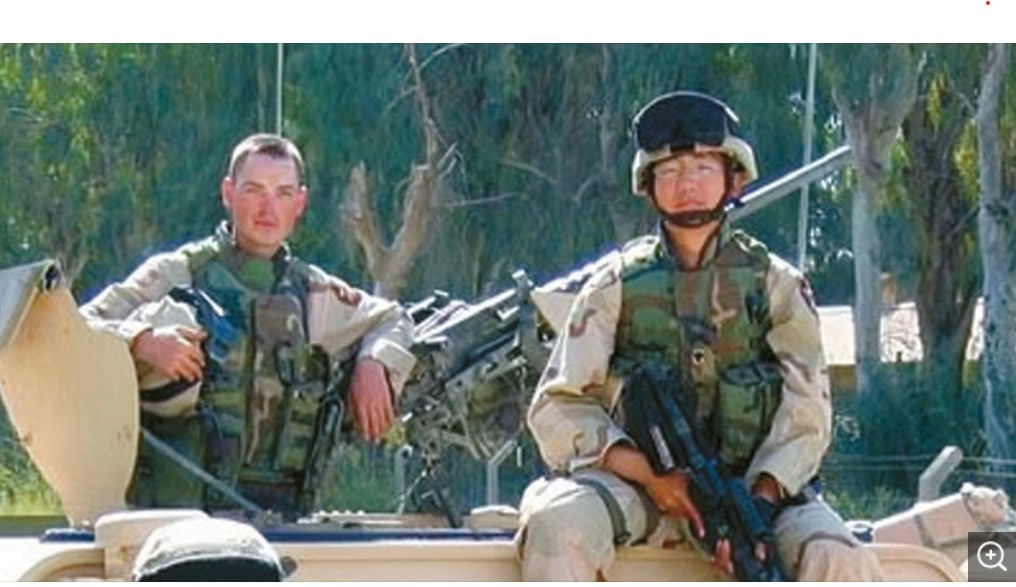
Born in South Korea, Kim immigrated to the United States with his family at the age of five and grew up in the Inland Empire region of Southern California. The day that changed his life forever was September 11, 2001. On the exact day he obtained his U.S. citizenship, the World Trade Center towers in New York collapsed, throwing the entire nation into profound shock.
“Seeing the country attacked on the very day I became an American citizen instilled a powerful desire in me to serve,” Kim said. At the age of 18, he enlisted in the U.S. Army and was deployed with the 506th Infantry Regiment. The Iraqi battlefields he was sent to were among the most brutal and violent combat zones in modern U.S. military history. Explosions and gunfire echoed daily, and death was a constant shadow.
“Comrades I was laughing with one day would vanish the next,” Kim said. “I had to witness the deaths and psychological breakdowns of my fellow soldiers from right beside them.”
The Unfinished War at Home
The war did not end for Kim after his military discharge. Insomnia, severe anxiety, and depression followed him home. Many of his fellow soldiers saw their lives collapse into crime, drug addiction, or suicide. The grim reality of their platoon’s post-war trauma was heavily featured in the 2010 PBS documentary The Wounded Platoon.
However, what drove Kim to even deeper despair was the broken healthcare system. Finding a therapist was incredibly difficult, and dealing with insurance was a bureaucratic nightmare. Appointments were backlogged for weeks, and mental health facilities that accepted Tricare—the military’s health insurance program—were severely lacking.
“It broke my heart to see people who desperately needed help give up on treatment and fall into isolation simply because the system was too complicated,” Kim explained.
Overcoming Barriers with Sensible Care Veteran PTSD Treatment
That frustration eventually transformed into a new calling. Kim spent nine years managing psychiatric hospital operations, learning the ins and outs of the medical insurance system and mental healthcare infrastructure. In 2017, he co-founded Sensible Care alongside Dr. Paul Chung, a former Navy flight surgeon. Their goal was clear: to build a streamlined system where veterans and military families could receive fast, reliable mental health treatment.
Sensible Care is a telehealth-based mental health platform that offers both psychiatric care and psychological counseling. By accepting major insurance plans, including Tricare, the platform has dramatically lowered the barrier to entry. Unlike simple booking apps, Sensible Care distinguishes itself by directly employing full-time mental health professionals.
Currently, more than 100 therapists in California alone participate in the Tricare network, with over 270 clinicians practicing nationwide. To date, the platform has provided vital Sensible Care veteran PTSD treatment and counseling services to more than 5,000 veterans and military family members.
Kim emphasizes that the core of PTSD recovery is the feeling that someone truly understands your story. “What I want to do,” Kim said, “is to let them know that they are not alone.”
BY EUNYOUNG LEE [lee.eunyoung6@koreadaily.com]