South Korea’s economy emerged as a key investment focus at this year’s Milken Global Conference in Beverly Hills, where global business and financial leaders discussed artificial intelligence, manufacturing, geopolitical risks, and long-term growth strategies.
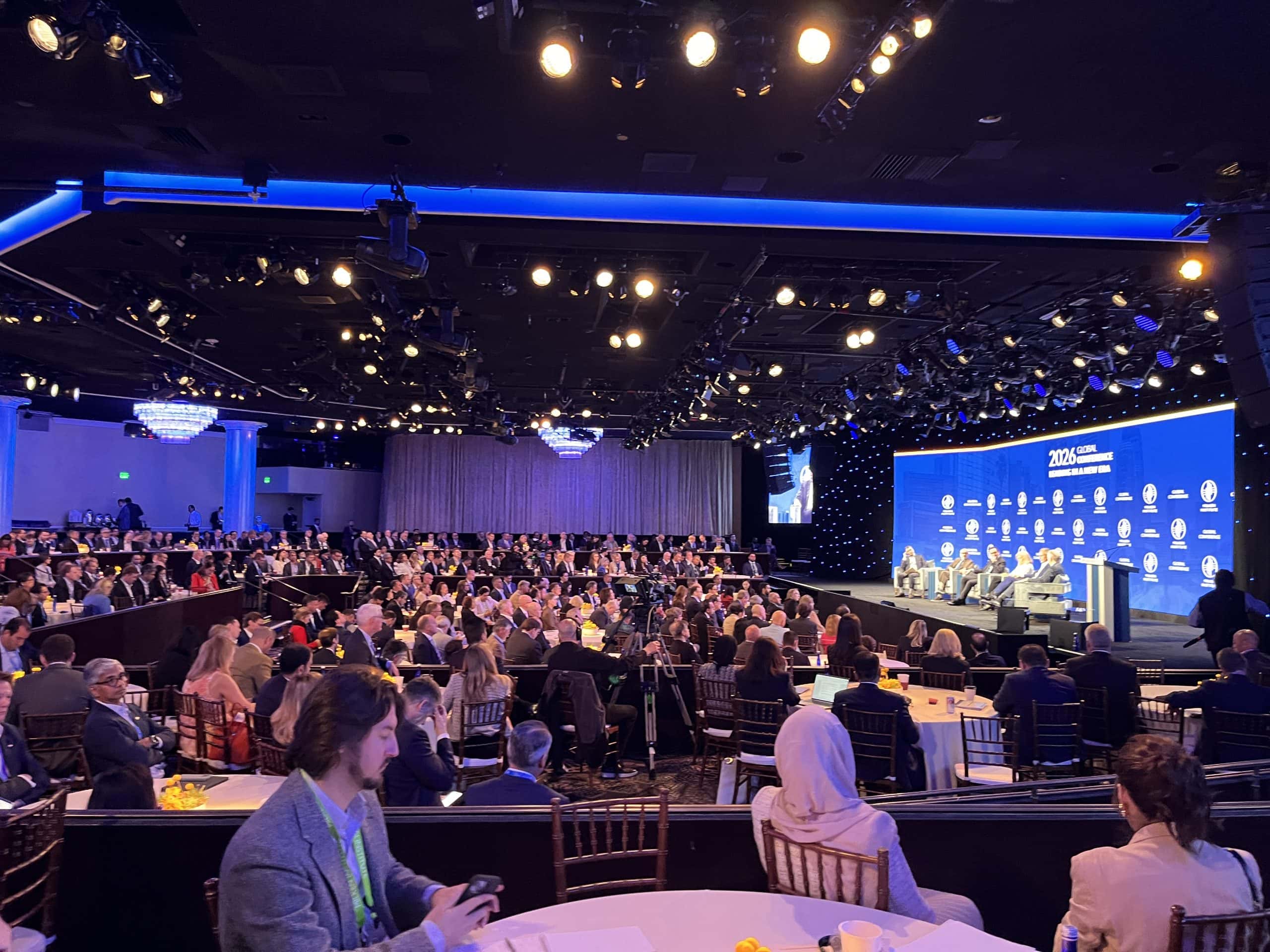
During a session held on May 4, Waleed Al Mokarrab Al Muhairi, deputy group CEO of Mubadala, the sovereign wealth fund of the United Arab Emirates, said South Korea’s stock market has shown rapid growth over the past year and a half.
“The Korean stock market has grown quickly over the past 18 months,” Al Muhairi said. “There has been an impact from the memory semiconductor cycle, but I believe the upward momentum will continue.”
For the fourth consecutive year, the Milken Global Conference featured a dedicated session on the South Korean economy. Participants included Heenam Choi, CEO of Chong Kun Dang Holdings; Sung Kim, president of Hyundai Motor Group; Namsun Kim, chief strategy and investment officer at Naver; and Dong Young Kim, co-head of Hanwha Asset Management USA.
The closed-door session focused on South Korea’s industrial competitiveness and growth strategy. Participants reportedly agreed that the integration of artificial intelligence and manufacturing will be a key factor in determining future competitiveness.
“There was a broad discussion about the overall Korean economy,” Choi said. “There was a shared view that how companies combine AI with manufacturing will be crucial to their competitiveness.”
Artificial intelligence was also the dominant topic across this year’s conference. While AI appeared in nearly every major session, the discussion focused less on the technology itself and more on how it should be used and who should lead its adoption.
Jenny Johnson, president and CEO of Franklin Templeton, emphasized that AI must remain human-centered.
“At the end of the day, the people using AI are human beings,” Johnson said.
Jon Gray, president and chief operating officer of Blackstone, said the spread of AI is also driving investment in data centers and infrastructure, creating potential job growth.
Meanwhile, geopolitical risk was highlighted as a larger concern for business leaders than tariffs at this year’s conference. Participants said global supply chain shifts and regional conflicts have become central variables in corporate and industrial strategy.
Kevin Hassett, director of the White House National Economic Council, also publicly criticized California’s push for a wealth tax, warning that it could lead to capital flight.
“If you impose excessive taxes on capital, investment will inevitably decline,” Hassett said.