South Korea tourism has officially entered a new era after surpassing the milestone of 20 million foreign visitors. This achievement marks a historic milestone in the country’s tourism history, largely propelled by the global craze for K-culture. The government, which previously set a national goal of attracting 30 million tourists by 2030, is now aiming to achieve this target early by 2028.
The Rise in Global Tourism Ranking and Growth Rate
According to the World Tourism Organization, South Korea ranked in the 25th tier for attracting foreign visitors in 2024. With the Ministry of Culture, Sports and Tourism expecting 2300000 visitors this year, entering the top 20 is within reach. More important than the ranking itself is the remarkable growth rate. While it took 57 years since 1955 to hit the 10 million mark in 2012, doubling that number took a mere 14 years.
The growth momentum accelerated further this year, with foreign visitor numbers increasing by 21.5% through September compared to the previous year. Nationalities of incoming tourists have also diversified significantly. The dependency on Chinese tourists decreased from 45% in 2016 to 32% this year, while visitors from the Americas and Europe showed clear double-digit increases.
The Trend of Dailycation and K-Culture Impact
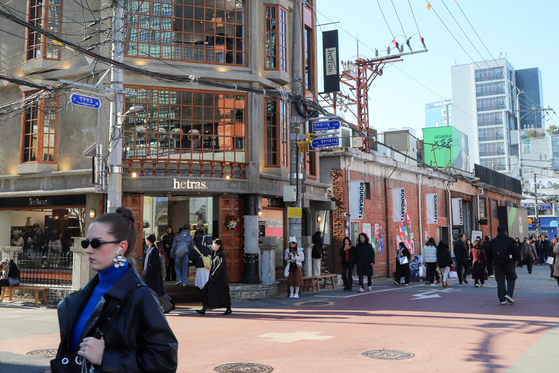
The stellar performance in South Korea tourism is heavily driven by K-content. According to the Korea Tourism Organization, experiencing K-content was the leading reason tourists chose to visit, while the country’s high safety standards provided a reliable infrastructure. Travelers are increasingly embracing ‘Dailycation’—experiencing daily life in Korea like locals, from visiting public baths to shopping at Olive Young, Daiso, and Musinsa.
Challenges Ahead: Spending, Stays, and Regional Concentration
Despite the celebratory milestones, several structural challenges remain. The tourism balance of payments has remained in a deficit for 26 consecutive years, and average spending per foreign visitor has remained largely stagnant. Furthermore, about 80% of foreign visitors concentrate heavily in Seoul, highlighting an urgent need to distribute tourist flows more effectively to regional areas.