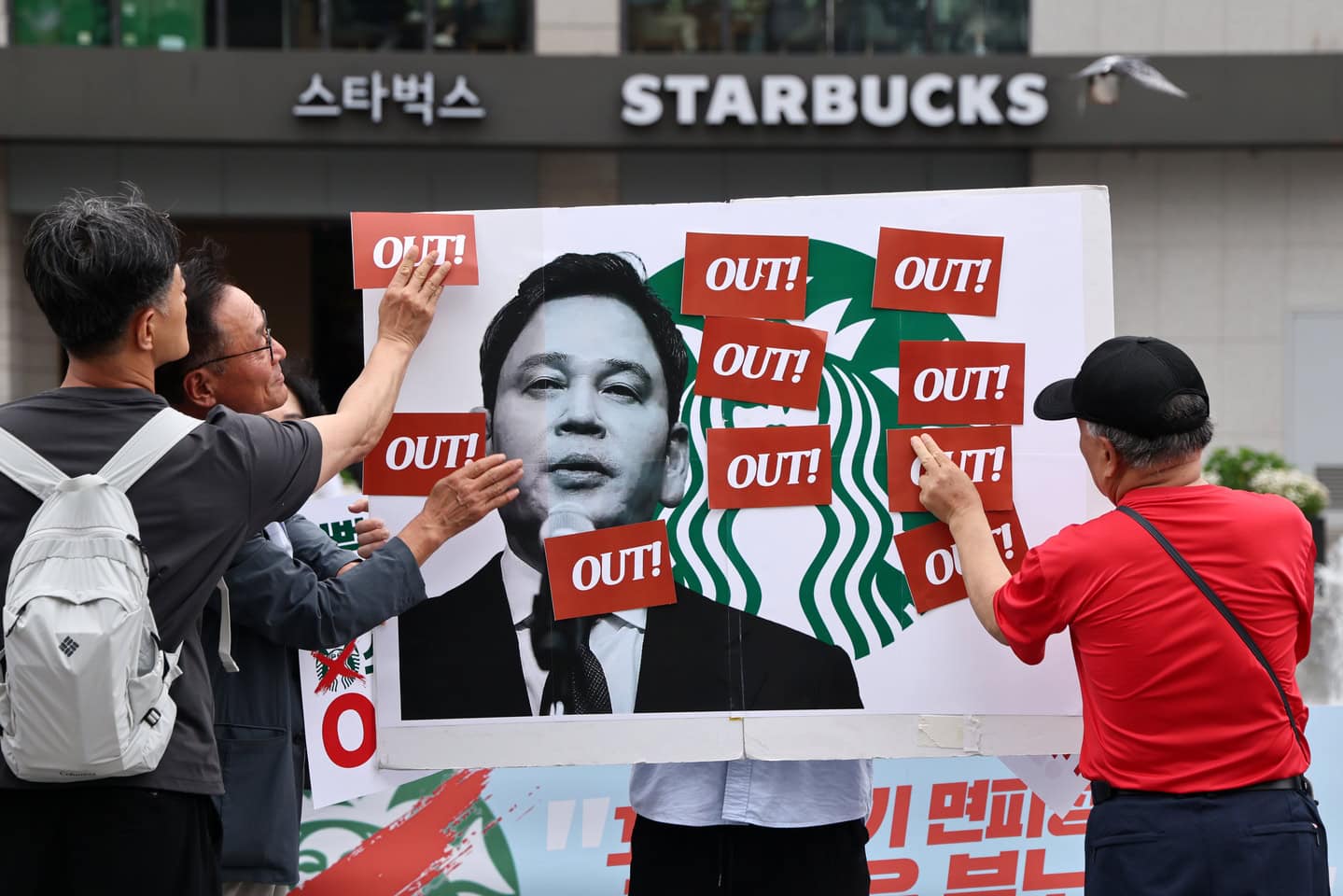
$5.3M Sip? Starbucks Korea Controversy Sinks Weekly Sales
When it comes to marketing, timing and historical sensitivity are everything—and a recent Starbucks Korea controversy has just proven that a single tone-deaf slogan can cost millions. The coffee giant’s South Korean franchise is facing a massive consumer backlash, resulting in a staggering 8.47 billion won (around $5.3 million) drop in weekly payments.
For a brand that practically runs on the daily caffeine needs of millions of Koreans, this sudden freeze in consumer spending has sent shockwaves through the local food and beverage industry.
The Slogan That Sparked a National Outrage
The crisis erupted on May 18, when Starbucks Korea—operated as an affiliate of retail giant Shinsegae Group—launched a seemingly innocent tumbler promotion. However, the choice of words was a complete disaster. Marketing materials used the phrase “Desk bang! Tank Day” (탁! 하고 책상 치니 탱크데이).
To international onlookers, it might sound like quirky copy. But to South Koreans, May 18 is the sacred anniversary of the 1980 Gwangju Democratization Movement, a historic uprising where military junta tanks were deployed to brutally suppress pro-democracy citizens. Furthermore, the onomatopoeia “Tak!” directly mimics the infamous 1987 police cover-up phrase regarding the torture and death of student activist Park Jong-cheol (“We tapped the desk, and he dropped dead”).
Unsurprisingly, the public reaction was swift and furious. Boycott calls spread like wildfire, turning the Starbucks Korea controversy into a full-blown corporate nightmare.
Data Shows the Bitter Aftertaste
The financial damage is now officially visible in the data. According to mobile big data platform Mobile Index, Starbucks Korea’s weekly payment volume plummeted to 23.69 billion won during the week of the controversy (May 18–24). This represents a brutal 26.3% crash compared to the 32.16 billion won recorded just a week prior.
The brand’s digital footprint took a heavy hit as well:
-
App Downloads: New installations of the Starbucks app crashed by 23.6%, dropping from 48,441 to 36,994.
-
App Store Rankings: The official app slipped from the No. 2 spot down to No. 5 among food and beverage brands.
Interestingly, the app’s total weekly user count actually saw a minor 4.7% bump. Industry insiders wager this wasn’t due to loyalty, but rather anxious existing users logging in to panic-check their pre-paid balances, rewards, and remaining digital coupons before jumping ship.
CEO’s “Mea Culpa” and the Road to Recovery
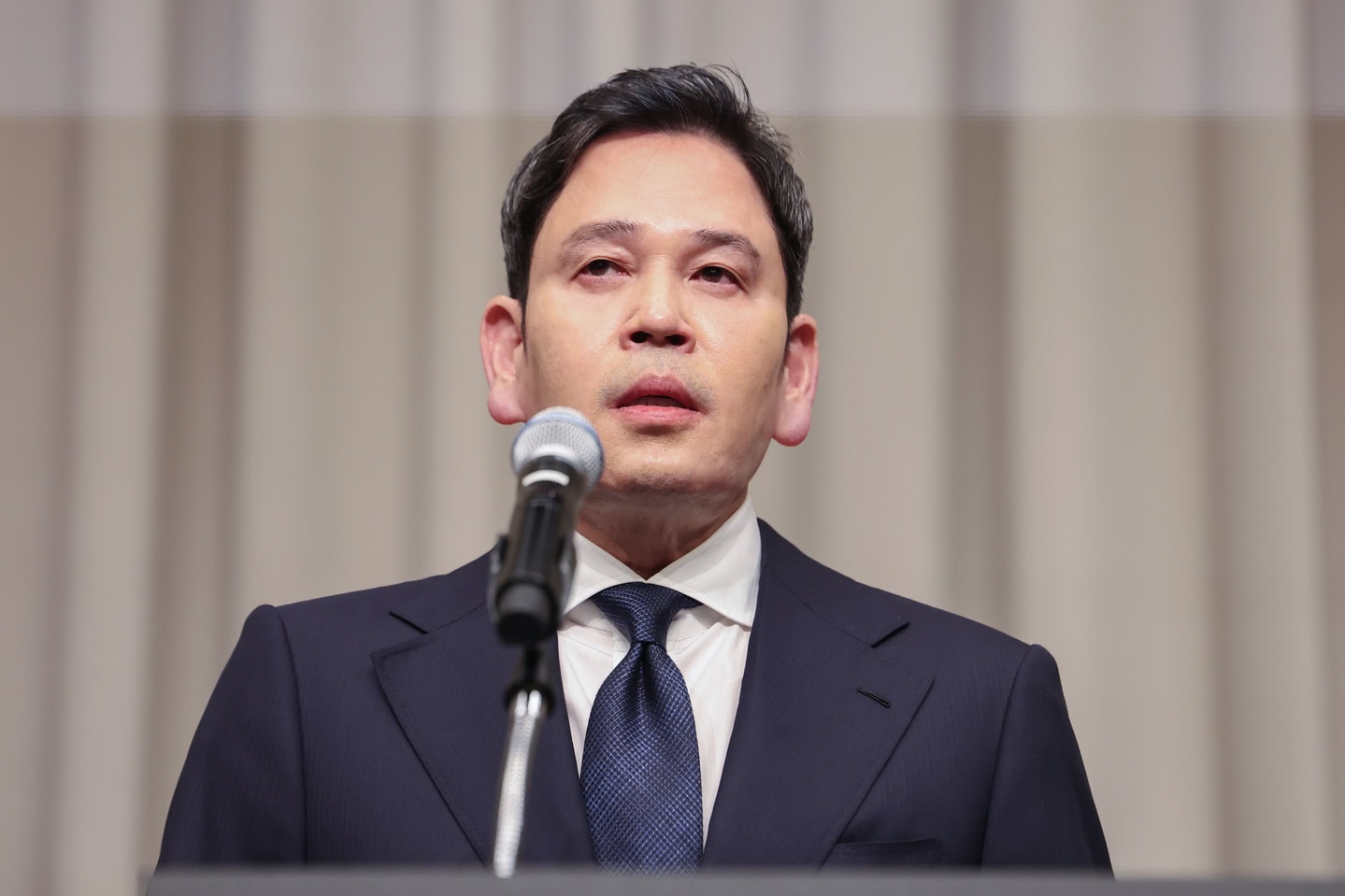
As the financial bleeding intensified, Shinsegae Group Chairman Chung Yong-jin made a rare, high-profile public apology at the Josun Palace Hotel in Seoul, admitting to a “significant decline in sales.”
While an internal corporate probe concluded that there was “no deliberate intent” to mock the victims of Korea’s democratization history, the damage to brand trust was already done.
The ongoing Starbucks Korea controversy serves as a stark reminder for global franchises operating in highly conscious consumer markets: in the age of viral boycotts, historical awareness isn’t just good ethics—it’s essential for protecting the bottom line. Whether a public apology can win back the hearts (and wallets) of angry coffee lovers remains to be seen.