The Rise of Stealthflation in South Korea
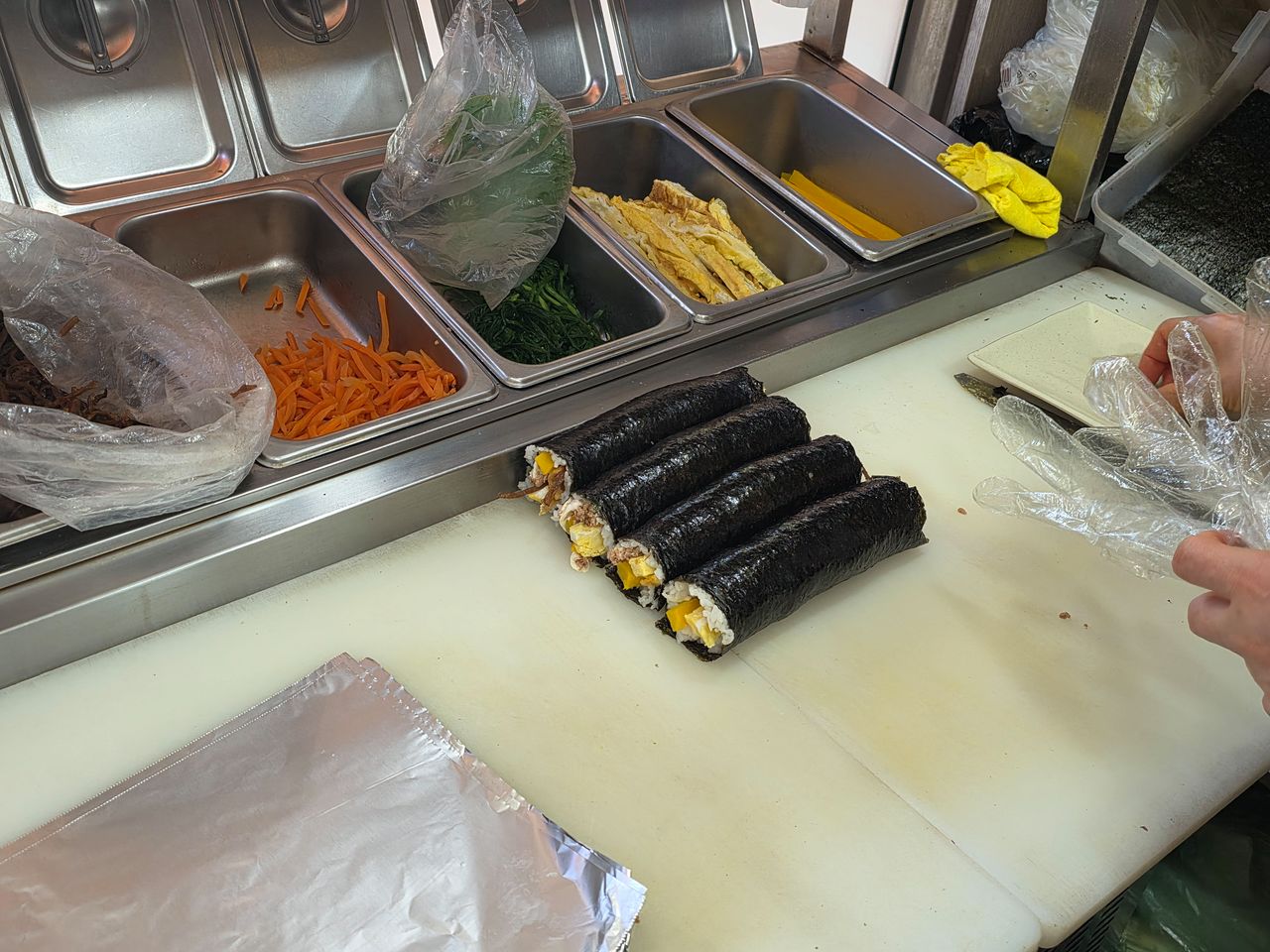
Stealthflation is silently sweeping through the restaurant industry in South Korea as soaring food and labor costs force small business owners to quietly downsize portions and remove key ingredients without raising menu prices. At a local gimbap restaurant in Yeongdeungpo-gu, Seoul, owner Mr. Oh rolled a popular seaweed rice roll priced at 3,500 KRW (approx. $2.60 USD) while completely omitting the ham. With ingredient costs for a single roll jumping to 2,500 KRW ($1.85 USD), he explained that removing the ham was the only way to avoid hiking prices and losing customers. Similar trends appear across the country, such as a Kimchi stew restaurant in Jongno-gu dropping dried seaweed from its side dishes, and a soup restaurant in Mapo-gu charging an extra 1,000 KRW ($0.75 USD) for previously unlimited rice.
Surging Ingredient Costs Fueling the Crisis
Consumers frequently complain that getting less food and fewer services for the same price is no different from a direct price hike. However, Deok-hyun Yoo, head of the Seoul Small Business Association, noted that restaurant owners are struggling to keep their businesses afloat, stating that almost nothing is left in their bank accounts after covering ingredients and labor. Official statistics highlight these mounting pressures. According to the Korea Agro-Fisheries & Food Trade Corporation, the average retail price for 20 kg of rice reached 61,343 KRW ($45.50 USD) in August 2026, marking an 18% increase compared to August 2024. Meanwhile, the Korea Consumer Agency reported that retail prices for gimbap ham rose 5% from January to September 2026. Professor Lee Hong-joo of Sookmyung Women’s University emphasizes that policy interventions, such as cooperative purchasing and direct trading of ingredients, are urgently needed to ease the burden on both self-employed owners and consumers.