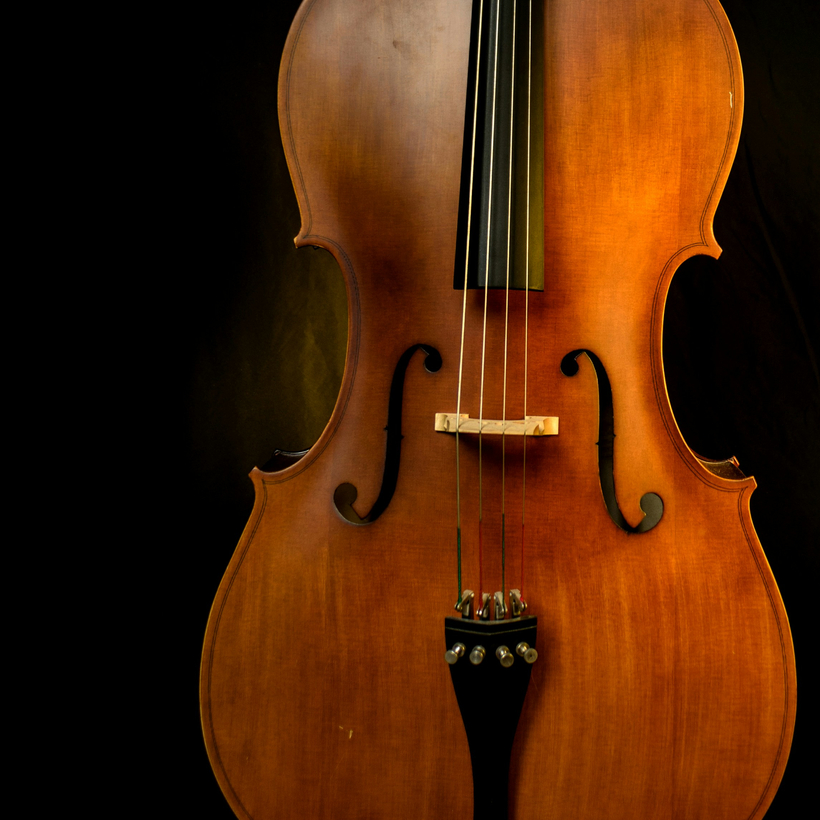
As the price of student musical instruments continues to soar, school band and orchestra programs are facing a severe crisis. Budget-strapped schools are struggling to purchase instruments on time and are even growing concerned about potential cutbacks to their music programs.
The New York Times recently reported that lingering supply chain issues and inflation following the pandemic, compounded by tariff burdens, have significantly driven up the cost of student instruments, increasing the financial pressure on school music education.
In particular, a large portion of entry-level instruments used in elementary, middle, and high schools are manufactured overseas in countries like China, making them highly vulnerable to tariff impacts. According to the Peterson Institute for International Economics (PIIE), imports of instruments predominantly used by students—such as violins, cellos, and woodwinds—have declined sharply this year.
At a high school in Kanawha County, West Virginia, orchestra teacher Jeff Lipscomb oversees 12 students playing the cello, yet the school owns only 10 instruments.
However, his annual budget is allocated at a meager $500 to $600. With a new cello costing well over $1,000, acquiring necessary instruments solely through school budgets is virtually impossible.
The situation is similar at Passaic Public Schools in New Jersey. According to school officials, a student saxophone that cost about $420 before the pandemic now exceeds $900, while a single tuba costs at least $9,000.
The National Association of Music Merchants (NAMM) has expressed concern that additional tariffs could further exacerbate the financial burden on schools and students purchasing entry-level instruments.
A survey conducted this year by the music education advocacy group Music Is Education revealed that 90% of state-level music and arts education officials are worried about school funding issues.
Concerns are also rising that soaring instrument prices could make student participation in music classes increasingly difficult.
Educators warn that if such cases continue to grow, it could trigger a vicious cycle where enrollment in music classes drops, leading to further budget reductions.
John Mlynczak, CEO of NAMM, warned that if the upward trend in instrument prices persists, students could ultimately lose opportunities to experience music in schools altogether.