The U.S. Supreme Court has ruled that police use of deadly force must be assessed based on the “totality of the circumstances,” rather than focusing only on the moment an officer perceives a threat. The unanimous decision is expected to reshape how courts evaluate qualified immunity, a legal defense often used by law enforcement.
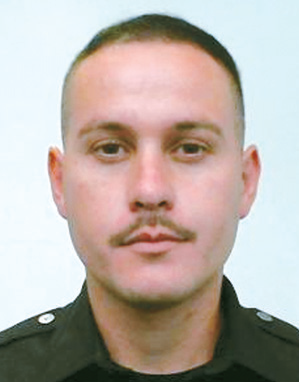
This decision may influence a civil lawsuit involving Andres Lopez, an officer with the Los Angeles Police Department’s (LAPD) Olympic Division, who fatally shot Yang Yong, a 40-year-old Korean American man with mental illness. The Los Angeles Police Commission had cleared Lopez of wrongdoing, but the new legal standard may affect the family’s case against the City of Los Angeles.
Court Rejects Narrow View of Threat
The May 15 ruling came from a case involving Roberto Felix, a traffic officer in Harris County, Texas, who fatally shot Astian Barnes, 24, during a 2016 traffic stop. A lower court had dismissed the lawsuit brought by Barnes’ family by granting Felix qualified immunity, which shields public officials from liability when they act within established legal norms.
According to the complaint, Felix shot Barnes twice when he refused to exit his vehicle and began moving it. The family called the shooting an abuse of power, while Felix’s legal team argued he acted in self-defense.
The Supreme Court overturned the dismissal, rejecting the view that legal judgment should focus only on the “final two seconds” of a confrontation. Justice Elena Kagan, writing for the court, described that narrow approach as “chronological blinders,” emphasizing the need to assess an officer’s decision in full context.
Legal experts say this decision marks a shift away from evaluating only the moment an officer fires a weapon. Courts must now consider the broader sequence of events surrounding police use of force.
Impact on Yang Yong Case and Broader Implications
On May 2, 2023, LAPD officers entered Yang Yong’s residence. Startled and holding a knife, Yang was shot three times by Officer Andres Lopez immediately upon the door opening. The LAPD stated the use of lethal force was in response to a perceived threat.
Yang’s family filed a civil lawsuit in Los Angeles County Superior Court against the City of Los Angeles, alleging abuse of power. They are also weighing a federal claim under the Fourth Amendment, which protects against unreasonable searches and seizures.
A family representative said, “Police continue to justify the shooting by citing a threat. But the core of the Supreme Court ruling is that the officer’s actions must be judged in full context. This opens the door to revealing the truth.”
Grace Yoo, an attorney involved in the case, believes the new precedent could reshape ongoing litigation. “This decision gives families of police shooting victims a stronger chance to seek justice,” she said. “Law enforcement must now assess the entire situation, not just a single moment, when using deadly force.”
BY HYOUNGJAE KIM [kim.ian@koreadaily.com]