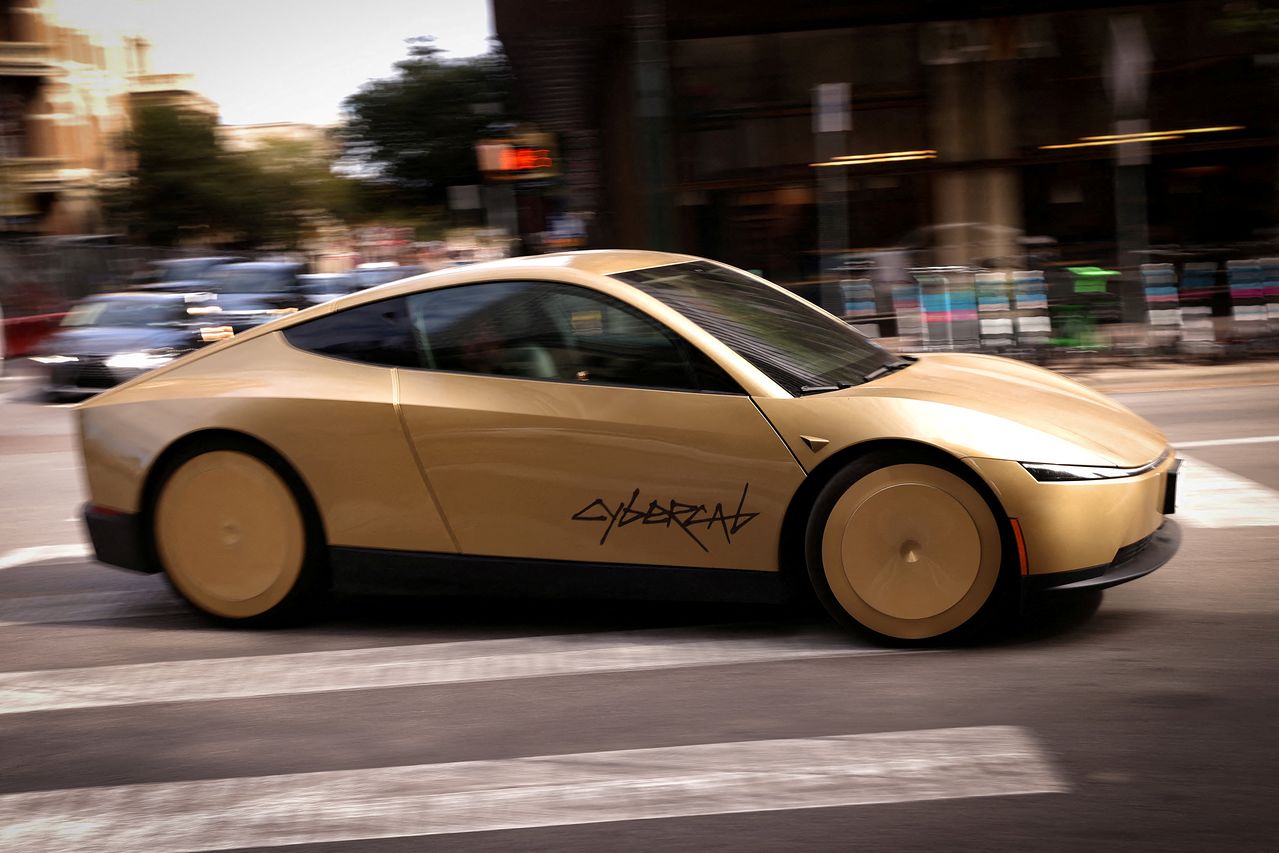
Tesla is moving beyond its two-seater fully autonomous ‘Cybercab’ by initiating the development of a 6 to 7-seater autonomous vehicle completely devoid of traditional driving controls such as steering wheels and pedals.
Tesla Expands Robotaxi Lineup with Multi-Passenger Model Y
During the recent ‘Diligent Summit’ business conference, Tesla CEO Elon Musk announced plans to introduce a 6 to 7-seater self-driving vehicle based on the Tesla robotaxi and the Model Y platform, catering to the needs of families and larger groups. While Model Y vehicles are currently operated as robotaxis in select areas of California with safety drivers and a four-person passenger limit, removing the driver’s seat controls aims to maximize cabin space.
Targeting the Mass Transit and Family Market
Tesla initially designed the Cybercab as a two-seater based on the assumption that most trips involve only one or two passengers, which also helped minimize production and operating costs. However, the limitation of not accommodating families or groups prompted the shift toward multi-passenger autonomous vehicles to effectively penetrate the broader public transportation market.
Safety Regulations and Future Challenges
While the elimination of steering wheels and pedals redefines the fundamental concept of personal and public mobility originating from the horse-and-buggy era, it also introduces new challenges regarding liability and insurance. Industry experts point out that transitioning to completely control-free autonomous vehicles will require careful legal and regulatory frameworks to establish responsibility among passengers, automakers, and software developers in emergency scenarios.