The Great Belt-Tightening: 73% of Americans Bracing for Economic Storm
If your wallet feels lighter every time you leave the grocery store, you aren’t alone. The Cost of Living Crisis has shifted from a boardroom talking point to a kitchen-table emergency, with a staggering 73% of citizens predicting the economy will only get worse. According to the latest data from Gallup, Fox News, and CNBC, the “vibecession” has officially turned into a full-blown crisis of confidence.
Sticker Shock at the Pump and the Pantry
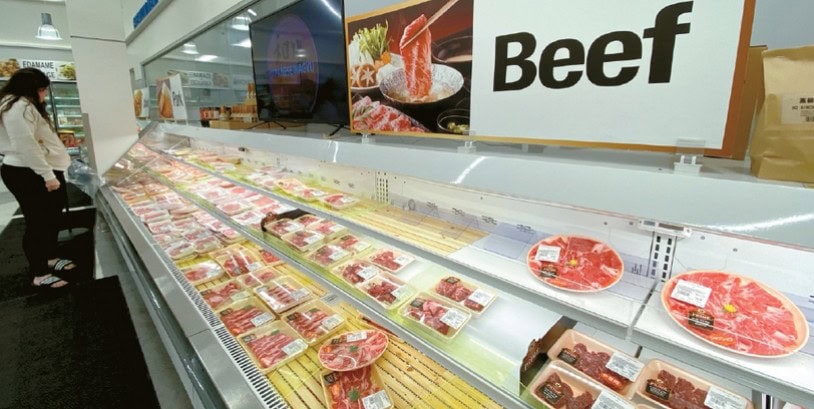
The primary culprit behind this wave of pessimism is the relentless climb in everyday prices. While macro-indicators might show growth, the micro-experience of the average voter tells a different story.
-
Groceries & Gas: 82% of respondents reported a noticeable spike in food costs, while a near-unanimous 93% are feeling the burn at the gas station.
-
Financial Health: In a sobering Fox News poll, 60% of voters rated their personal finances as “fair” or “poor,” with only 20% feeling better off than they were a year ago.
The Cost of Living Crisis isn’t just affecting luxury goods; it’s hitting healthcare and housing—the very foundations of stability. This has led to a sharp decline in the Gallup Economic Confidence Index, which plummeted to -38, its lowest point since late 2023.
The “No-Spend” Era: Consumers Are Closing Their Wallets
The data suggests that the era of post-pandemic revenge spending is officially over. A massive 80% of consumers told CNBC they have actively slashed their budgets. We are seeing a structural shift in behavior:
-
Dining & Leisure: The first to go. Mid-tier restaurants and entertainment venues are seeing a foot-traffic drought.
-
Credit Dependency: With cash reserves dwindling, more households are leaning on credit cards to cover essential costs.
-
Job Market Blues: 63% now view the current climate as a “bad time” to find a new job, a sharp reversal from the labor-market optimism of previous years.
Political Heat and Market Skepticism
Public sentiment toward the current administration’s handling of the economy remains icy. Despite a fluctuating stock market, 56% of voters believe current policies are actively hurting the economy. Even the “wealth effect” of the stock market has lost its luster, with 53% of the public remaining bearish on new investments.
As we move deeper into 2026, the question isn’t just when inflation will stabilize, but how long the average household can hold their breath in this suffocating Cost of Living Crisis. For now, the “wait and see” approach has been replaced by “cut and cover.”
BY YEONGCHAE SONG [song.yeongchae@koreadaily.com]