The United States has lost its measles elimination status for the first time in 26 years as a nationwide measles outbreak continues to spread. However, Illinois has managed to keep its case numbers relatively low, drawing attention from health officials.
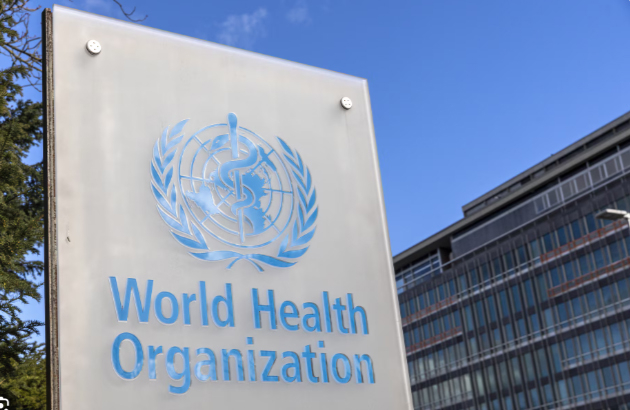
The Pan American Health Organization (PAHO), part of the World Health Organization (WHO), officially announced on the 17th that the US has lost its measles-free status after continuous transmission of the measles virus persisted for over 12 months. Mexico and Bolivia received the same designation.
The US had previously declared the elimination of measles in the year 2000. The loss of this status comes amid a backdrop of declining vaccination rates and growing vaccine hesitancy, which have fueled large-scale cluster infections across the country.
According to the Centers for Disease Control and Prevention (CDC), nationwide confirmed cases reached 5,412 as of November 12, with state health department figures pushing the total past 5,700. Pennsylvania alone reported over 1,500 infections, contributing to widespread outbreaks across multiple states. Over the past two years, more than 7,000 cases have been recorded, resulting in 11 deaths.
High Vaccination Rates Protect Illinois From Major Outbreaks
The vast majority of infected individuals are people who were either unvaccinated or whose vaccination status could not be verified. In contrast, Illinois has recorded only 29 measles cases this year, with zero hospitalizations or deaths reported so far.
According to the Illinois Department of Public Health, Cook County reported one case, while Douglas County recorded the highest number with 11. State health authorities attribute the successful containment to high immunization coverage.
For the 2025–2026 academic year, the two-dose MMR (measles, mumps, and rubella) vaccination rate among school-aged children in Illinois reached 96.8%, comfortably exceeding the 95% threshold required for herd immunity. The Chicago Public Schools (CPS) also recorded a high rate of 95.7%. Meanwhile, the national average lagged at 92.4%, falling short of the herd immunity benchmark.
Health Experts Warn Against Complacency
Dr. Ravi Jhaveri, head of pediatric infectious diseases at Ann & Robert H. Lurie Children’s Hospital, warned that while the infection risk in the Chicago area remains relatively low, localized small-scale outbreaks can still occur.
Illinois health authorities have emphasized the critical need to maintain these high vaccination rates and actively eliminate any remaining gaps in immunization coverage to protect the community.