Desperation at the Register: How the US Shoplifting Inflation Crisis Is Turning Shoppers into Stealers
Rising grocery bills are pushing more consumers over the edge, turning the US shoplifting inflation crisis into a staggering everyday reality. A startling new report from LendingTree reveals that 30% of Americans admit to shoplifting this year—a sharp jump from 24% in 2024. And forget high-end designer bags or luxury watches; the primary targets are loafs of bread, diapers, and shampoo.
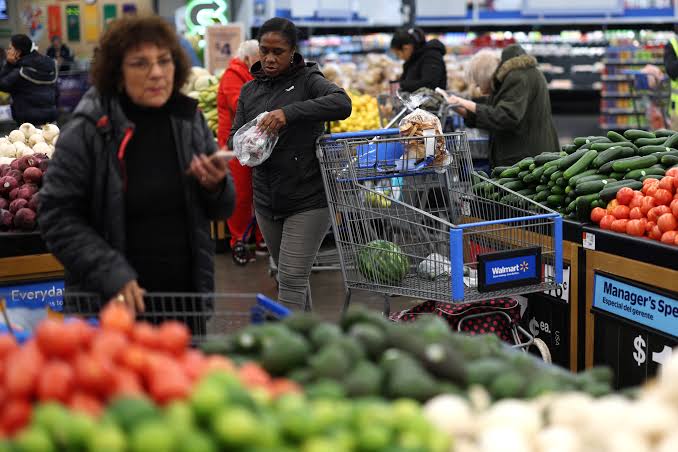
Stealing to Survive: Basics Over Luxury
As geopolitically driven oil spikes feed broader price hikes, nearly 90% of self-reported shoplifters cited pure financial strain and crushing living costs as their main motivation. The survey of 2,000 consumers highlights a bleak shift in consumer behavior: people aren’t stealing for a thrill, but to survive.
The most common “five-finger discount” items include:
-
Groceries: Food and nonalcoholic beverages took the top spot.
-
Wearables & Care: Apparel and personal hygiene products ranked second and third.
-
School & Tech: School supplies, toys, and basic electronics also saw high theft rates.
“When people are willing to risk legal consequences for basics like food and soap, it’s an unmistakable sign that families are struggling just to make ends meet,” noted Matt Schulz, chief consumer finance analyst at LendingTree.
Why Big Box Retailers Are the Top Target
When it comes to where people are taking items, major chain stores beat out local mom-and-pop shops. Giant retail footprints, heavy foot traffic, and the rise of unmonitored self-checkout lanes create the perfect storm of anonymity.
When respondents were asked which outlets were the easiest to steal from, Walmart topped the list at 47%, followed by Family Dollar, Amazon Fresh, and Kroger.
A Short-Term Fix with Catastrophic Costs
While pocketing an extra item at checkout might seem like a quick fix for a depleted bank account, experts warn that the long-term gamble rarely pays off. Getting caught means facing criminal charges, legal fees, and a damaged record that can make finding employment or housing nearly impossible.
In a climate where inflation forces tough choices, the line between budgeting and shoplifting is blurring for millions—leaving retailers and consumers alike paying the price.