During the chilly winter months, people tend to have lower activity levels and stay huddled up indoors. This makes it especially important to pay attention to your legs’ blood circulation and overall vascular health. If your legs frequently feel heavy, swollen, or if you experience nighttime cramping and numbness severe enough to disrupt your sleep, you should not dismiss these signs as simple fatigue and consider the possibility of varicose veins.
Understanding Varicose Veins and Common Symptoms
Varicose veins are a vascular condition that occurs when the valves inside the leg veins, which prevent blood from flowing backward, weaken and fail to function properly. Blood that should be returning to the heart pools in the legs, increasing internal vein pressure and causing the blood vessels to expand abnormally. This condition can be accompanied by various symptoms, including visible bulging calf veins, leg heaviness, swelling, numbness, and nocturnal cramps.
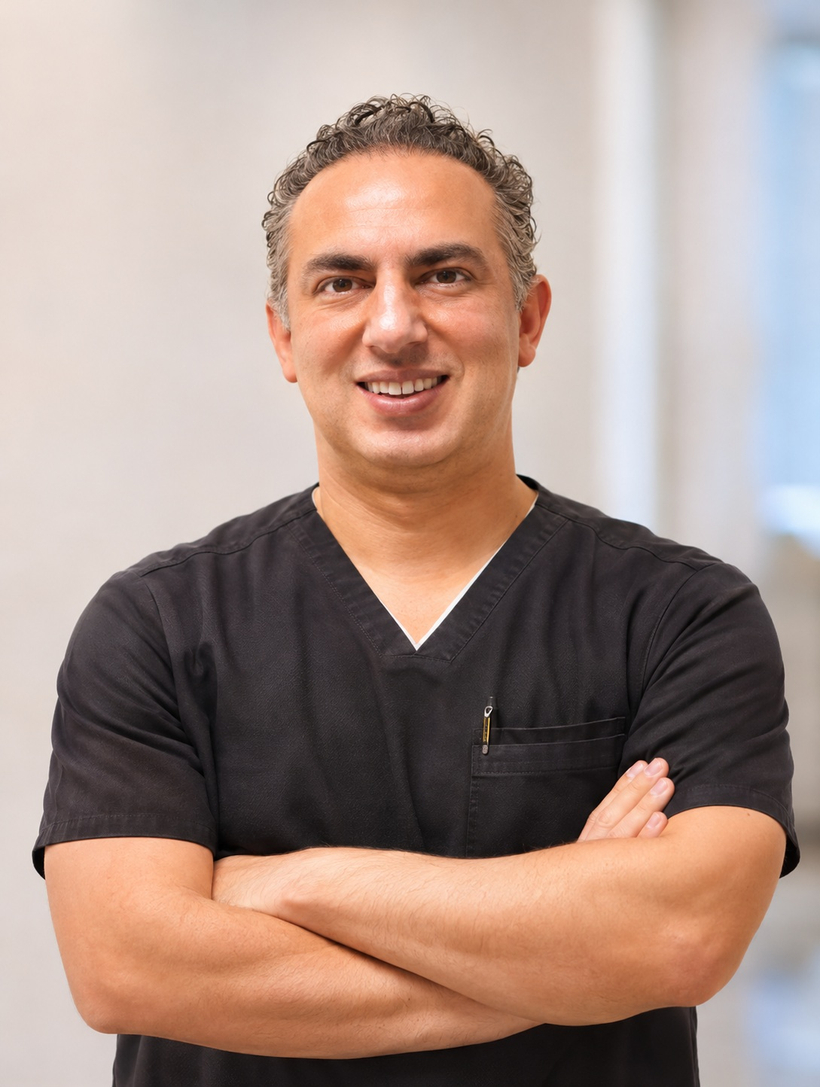
Dr. Robert Azizi at the Varicose Vein Specialist Hospital emphasized, "Varicose veins are caused by various factors such as family history, but they can be aggravated by habits such as standing or sitting for long periods, crossing legs, or squatting. If left untreated without proper care, it can lead to various complications, so caution is required."
Accurate Diagnosis and Advanced Treatment Options
In particular, varicose veins may not show obvious visual changes in blood vessels during the early stages, making accurate diagnosis crucial. Even if veins are not visibly protruding, persistent leg discomfort warrants an ultrasound exam to check for blood reflux and vein status, followed by a consultation with a specialist.
The Varicose Vein Specialist Hospital provides customized treatments based on each patient’s vascular condition, utilizing advanced procedural equipment and extensive clinical experience. According to the hospital, vein procedures typically take 5 to 30 minutes, while arterial procedures take about 3 to 4 hours. Treatment duration may vary depending on the patient’s vascular condition and the specific method used.
Convenient Care and Support for Korean Patients
Thoughtful services designed for the convenience of Korean patients also stand out. To help patients who have difficulty visiting the hospital, Korean-speaking staff provide direct vehicle transportation services. Korean interpretation is also supported throughout the consultation process, easing the burden of transportation and language barriers.
A variety of insurance plans are accepted, including Hanmi Medical, Seoul Medical, Medicare+, Medical, PPO, and HMO. Detailed consultation regarding treatment procedures and insurance coverage is available in Korean.
Inquiries: (310) 567-6753
Addresses: 903 Crenshaw Blvd. #104, Los Angeles, CA / 13950 Milton Ave. #100, Westminster, CA / 8218 Garfield Ave., Bell Gardens, CA