Mexico’s New Ultra-Low-Cost EV Project
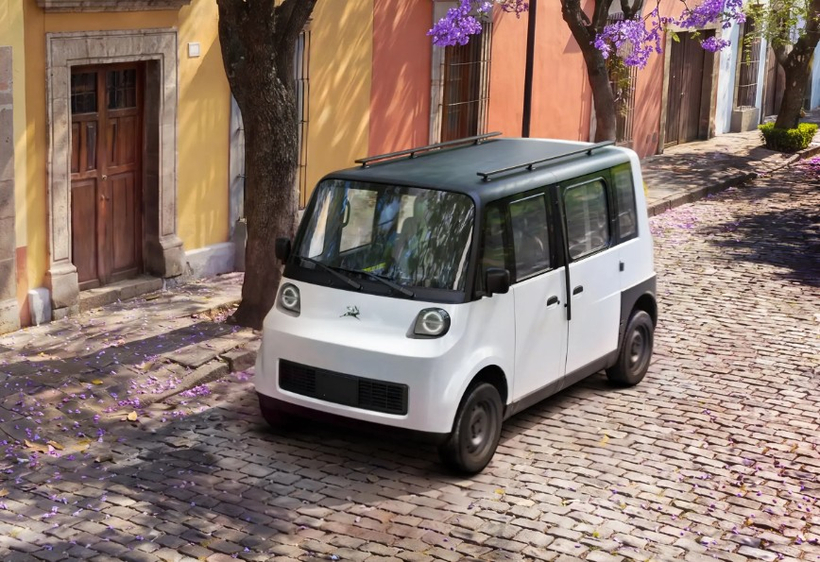
The 9000 dollar electric vehicle initiative has sparked major interest as the Mexican government advances its strategy to build a self-reliant automotive industry and explores whether these ultra-affordable mini EVs can eventually reach the California market. According to recent reports by the California Post, the Mexican government officially unveiled its domestic electric vehicle brand, ‘Olinia.’
Olinia Uno and Carga Specifications
Designed for short-distance commutes, small businesses, and urban deliveries, Olinia represents a strategic project to foster a local automotive sector with independent technology and branding. The first passenger model, the ‘Olinia Uno,’ is expected to retail for under $9,000. It offers a driving range of about 90 miles per charge, but its top speed is limited to roughly 30 mph, and it is built to charge using standard household outlets. While it is impractical for high-speed freeway commuting, it fits local errands and neighborhood deliveries.
Additionally, the Mexican government is developing ‘Olinia Carga,’ a micro electric truck targeted at small business owners. The Carga is expected to carry up to roughly 1,430 pounds of cargo with a driving range exceeding 75 miles, at an estimated price of around $7,000. The first Olinia passenger vehicle is anticipated to enter production next year, with the Carga slated for release by the end of 2027.
Challenges for US and California Expansion
While the arrival of ultra-low-cost EVs is promising, overcoming significant hurdles will be necessary before they can enter the U.S. market, including California. One major variable is reliance on Chinese technology. Because Mexico lacks a fully established domestic supply chain to produce the necessary batteries independently, Chinese technology and components are expected to play a substantial role. This poses a sensitive issue for U.S. expansion, as the United States has imposed high tariffs and regulations on Chinese EVs and components, remaining cautious about Chinese automakers using Mexico as a backdoor to the U.S. market.
Furthermore, it remains uncertain whether these vehicles could maintain their $7,000 to $9,000 price point if imported into the U.S. Meeting American automotive safety standards and certification processes, combined with a 30 mph top speed, will ultimately dictate whether the Olinia can be sold and registered in the same manner as standard passenger cars in California.