Breakfast habits in the United States are shifting as consumers increasingly choose convenience stores over traditional fast food chains for their morning meals.
According to CNBC, citing market research firm Circana, U.S. convenience stores saw a 9% increase in breakfast traffic during the three months ending in July 2025, while fast food restaurants recorded just a 1% rise over the same period.
Convenience stores now offer far more than just coffee. Many locations provide drinks, protein shakes, smoothies, bananas, and ready-to-eat meals—giving customers a broader selection than most fast food outlets.
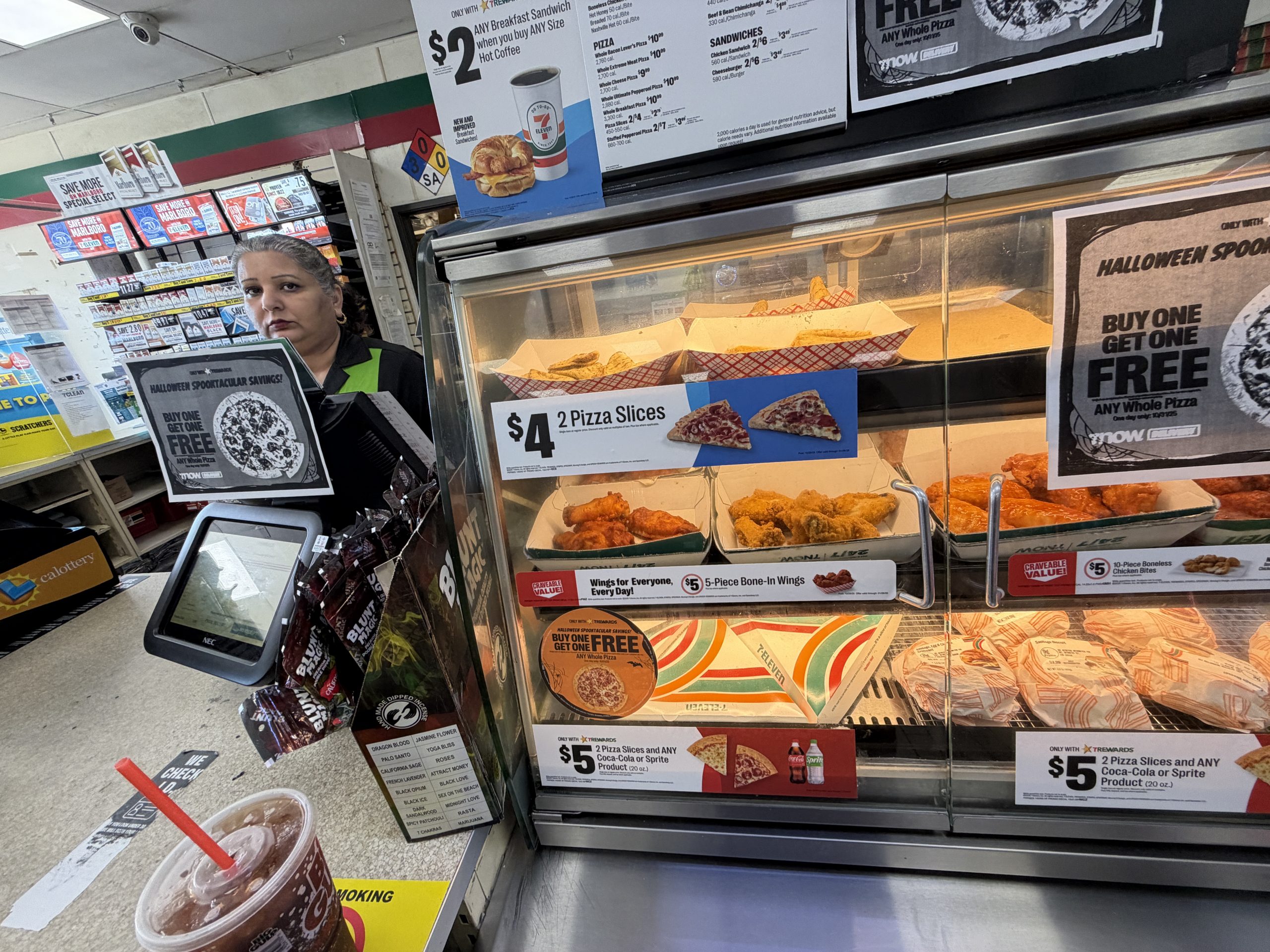
To offset stagnating sales in core categories such as gasoline, cigarettes, and lottery tickets, operators have invested heavily in food service, pushing total food sales to $121 billion last year.
Consumer perception has also shifted: 72% of shoppers now view convenience stores as an alternative to fast food—up from 45% two years ago.
“Convenience stores have been steadily gaining share in the foodservice market and now show particular strength in breakfast,” said David Portalatin, vice president at Circana, in an interview with CNBC.
The breakfast segment—once dominated by McDonald’s, Dunkin’, and Burger King—is gradually moving toward convenience stores. Despite years of menu innovations and promotions, fast food chains are struggling to keep morning traffic.
Although 87% of breakfast consumption still takes place at home, the remaining market share has become a battleground. Since the pandemic, the rise of remote and hybrid work has reduced commuting-related breakfast demand, sending more customers to nearby convenience stores instead.
East Coast chain Wawa and Midwest-based Casey’s have emerged as leading examples of this shift. Both brands attract growing customer bases with made-to-order meals, fresh ingredients, and one-stop convenience—combining fuel, snacks, and coffee in a single visit.
The shift has triggered concern across the fast food industry. McDonald’s share of morning visits dropped from 33.5% in the first half of 2019 to 29.9% in the first half of 2025, despite introducing $5 value meal promotions aimed at reversing the decline.
To compete, major chains are adopting convenience store strategies—adding self-order kiosks, customizable menus, and extended late-night hours to appeal to on-the-go consumers.
Data analytics firm Indagari reported that Wawa’s customer base increased 11.5% since 2022, while combined traffic at McDonald’s, Burger King, and Wendy’s fell 3.5% during the same period.
Analysts say the winner of the U.S. breakfast market will depend on who best balances price, convenience, and food quality.
For now, convenience stores appear to hold the advantage—capturing more morning customers with flexible, affordable, and time-saving meal options.
By Eunyoung Lee | lee.eunyoung6@koreadaily.com