The $4.50 Headache: Why Your Commute is Killing Your Credit Score
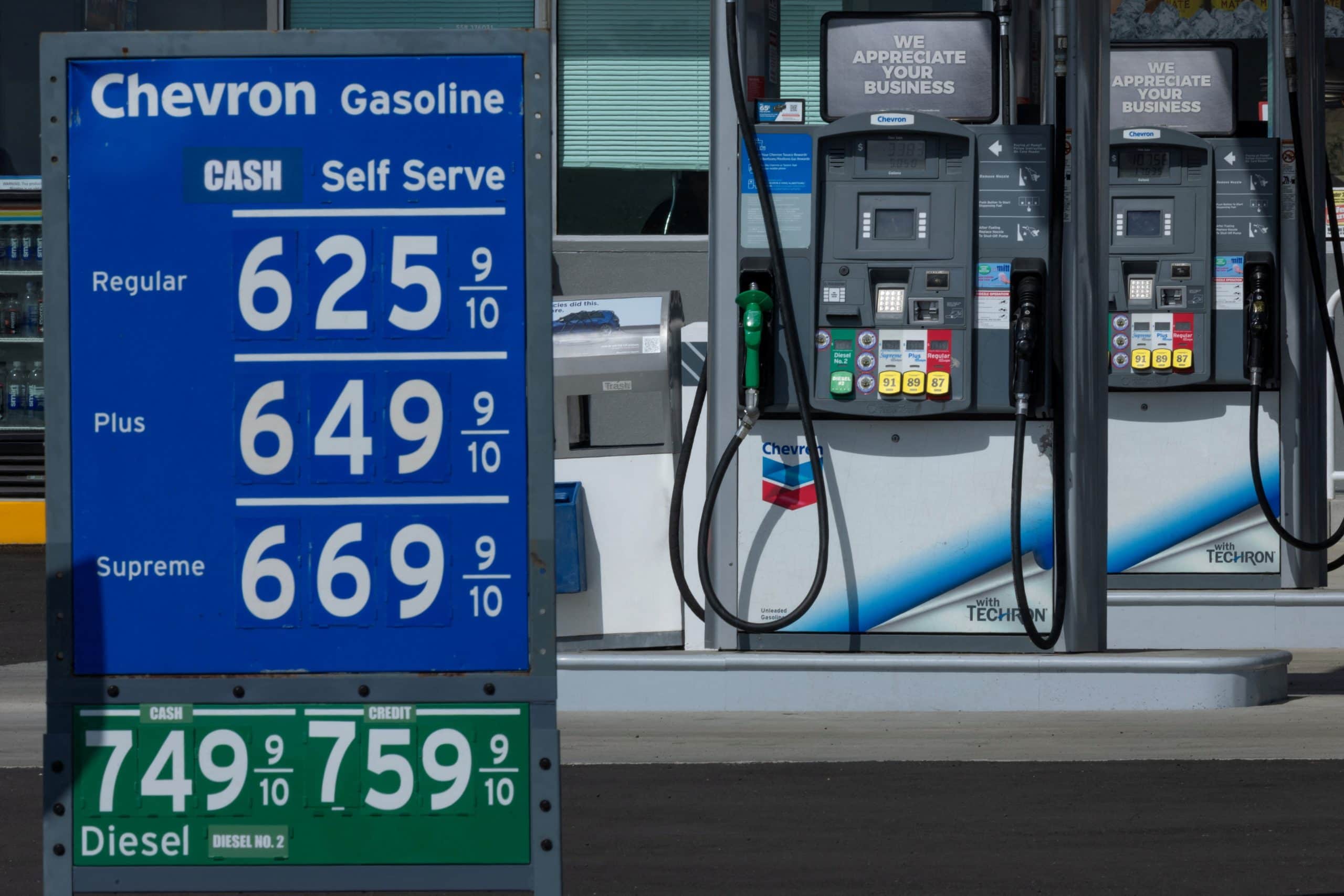
If your wallet feels a little lighter every time you pull away from the pump, you aren’t imagining it. As of March 2026, the toxic mix of the Iran conflict and supply chain jitters has sent fuel costs skyrocketing, forcing a massive spike in Gas Prices and Credit Card Debt across the nation. For many Americans, the simple act of filling up the tank has moved from a routine chore to a financial crisis, with the national average now hovering above a painful $4.50 a gallon.
The Low-Income Squeeze: A 10% Reality Check
According to a recent report from the Bank of America Institute, the burden isn’t being shared equally. Lower-income households are now funneling 4.2% of their total income just into their gas tanks—the highest March level we’ve seen since the post-pandemic shock of 2022.
Even more alarming? Roughly one in ten lower-income consumers are seeing over 10% of their monthly budget evaporate at the gas station. With oil prices surging past $100 a barrel, the “discretionary wiggle room” for middle-class families is shrinking faster than a compact car’s fuel gauge.
Swiping to Survive: The Rise of “Buy Now, Pay Later” Gas
With wage growth for lower-income tiers stalling at a meager 1%, Americans are getting creative—and desperate. The data highlights a sharp pivot toward two specific lifelines:
-
Credit Card Reliance: Many are leaning on existing credit limits to cushion the blow of the 40% surge in fuel costs.
-
BNPL (Buy Now, Pay Later): Once reserved for trendy sneakers or electronics, BNPL services are now being used to “smooth out” essential spending.
“The downside,” warns David Tinsley, senior economist at the Bank of America Institute, “is that BNPL only kicks the can down the road for a couple of months.” For those already maxed out on their credit limits, these short-term fixes may be leading toward a long-term debt trap.
The Silver Lining (And How to Use It)
Is there any good news? Surprisingly, yes. Thanks to tax refunds running about 10% higher this year, many households still have a small “savings buffer” in their accounts—roughly 10% more than pre-pandemic levels.
The Bottom Line: While your tax refund might cover the “gas shock” for now, the marriage of high Gas Prices and Credit Card Debt is a trend that demands a tighter budget. If you’re feeling the pinch, it might be time to audit your subscriptions or carpool before that credit card bill comes due.