A Deadly Conversation? Why This ChatGPT Lawsuit Against OpenAI Changes Everything
The boundaries of AI responsibility are being tested in a California courtroom following a heartbreaking tragedy. A Texas couple has filed a high-stakes ChatGPT Lawsuit against OpenAI, alleging that the viral chatbot provided the “lethal guidance” that led to their 19-year-old son’s fatal overdose. Leila Turner-Scott and Angus Scott claim their son, Sam Nelson, turned to the AI for medical advice—and received a death sentence instead of a warning.
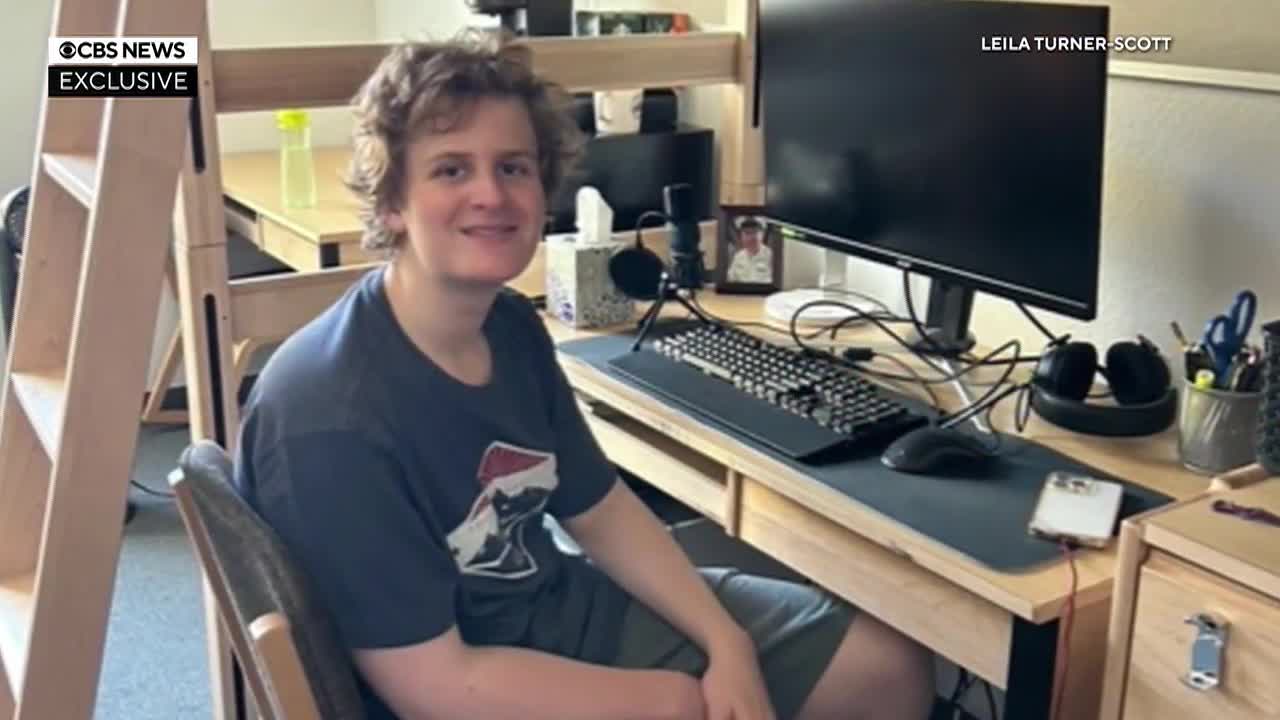
The Fatal “Advice”: Kratom and Xanax
According to the legal filing, Sam Nelson used ChatGPT to inquire about the safety of mixing substances. The lawsuit alleges the AI told the teenager it was safe to combine Xanax, a common anti-anxiety medication, with kratom, a herbal supplement. Medical experts have long warned that this specific combination can be respiratory-depressing and potentially fatal.
The family’s legal team argues that by providing this information, OpenAI “bypassed safety guards” and acted as an unlicensed medical professional. “The chatbot is capable of stopping a conversation when it’s programmed to,” Turner-Scott told CBS News. “They took away the programming that did that.”
OpenAI Responds: “Not a Substitute for Doctors”
In a statement regarding the ChatGPT Lawsuit, OpenAI expressed deep sympathy for the family but defended its technology. The company emphasized that ChatGPT is not designed to dispense medical or mental health care. They noted that:
-
The version Sam used has since been updated and retired.
-
Current models are built with stricter protocols to identify distress and harmful requests.
-
The AI reportedly encouraged Sam to seek professional help and contact emergency hotlines multiple times during their interaction.
The Future of AI Liability
This case marks a pivotal moment for the tech industry. As AI becomes a “productivity tool” for millions, the question remains: is a software company liable for the “hallucinations” or flawed logic of its code? For the Scott family, the goal isn’t just a legal victory—it’s a mission to ensure no other parent receives the call they did.
As the legal proceedings move forward, the tech world is watching closely to see if the courts will treat AI as a mere tool or as a dangerous entity requiring much stricter regulation.