California tax hike proposals covering sales, hotel, and parking rates are triggering intense anxiety among residents facing an ever-growing financial burden.
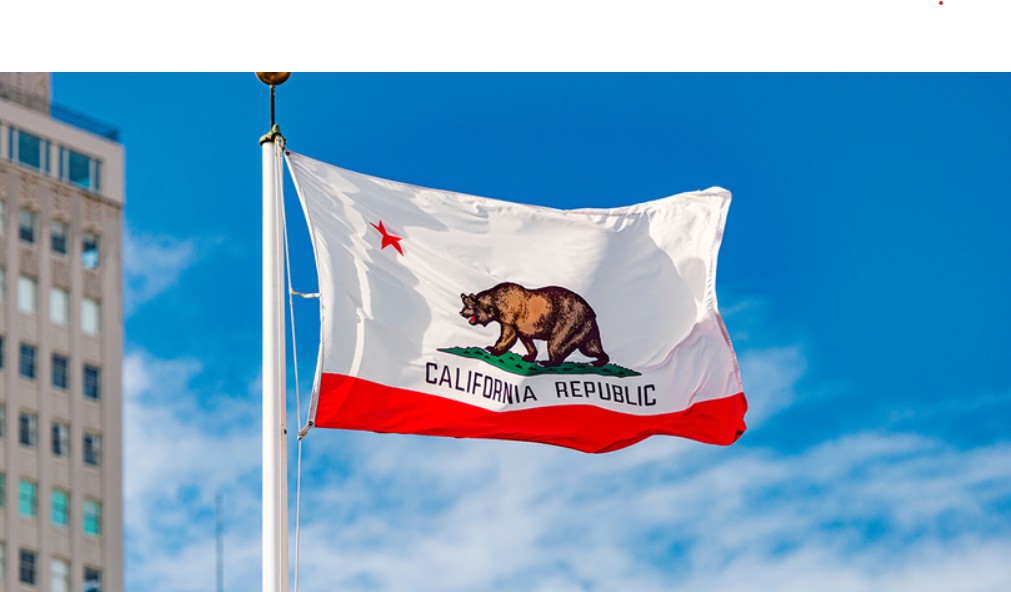
With as many as 12 different tax and fee increases scheduled or proposed for the upcoming primary and November midterm elections, the infamous nickname “Taxifornia” has re-entered the public discourse to describe the state’s notoriously high cost of living.
In the upcoming primary election, ballot measures such as Measure ER (LA County sales tax increase), Measure TC (hotel tax expansion), Measure TT (hotel tax hike), and Proposition CB (cannabis tax expansion) will be officially put to a vote. Additionally, property owners face a separate special assessment vote for street lighting infrastructure.
The most notable initiative is Measure ER, which seeks to raise the LA County sales tax by 0.5 percentage points for five years to fund public hospitals and emergency medical services. If passed, the sales tax rate could climb to a maximum of 10.25%. “Buying everyday groceries is already stressful enough,” said Susie Lee, 41, a resident of Glendale. “If the sales tax goes up, making major purchases like cars or appliances will become an even greater burden.”
Meanwhile, Measure TC aims to expand LA’s hotel tax by incorporating service fees charged by online booking platforms. Measure TT proposes a temporary hike in the city’s occupancy tax for hotels, motels, and short-term rentals from 14% to 16%, remaining in effect until the conclusion of the 2028 LA Olympics.
Los Angeles property owners are also bracing for higher costs under Proposition 218, a ballot measure for street lighting maintenance. The city intends to pass a portion of the costs for replacing aging streetlights and combating rampant copper wire theft directly onto property owners.
Escalating Burdens from California Tax Hike Proposals
Commuters and workers are facing additional strain from an array of upcoming ballot initiatives and future city proposals. Los Angeles is currently considering a plan to raise its parking occupancy tax from 10% to 15%. On top of that, fresh proposals are gaining momentum, including rideshare surcharges for Uber and Lyft, online delivery fees, special taxes on sports and concert tickets, and vacancy taxes. If implemented, the rideshare fee would tack on an extra $1 to $2 per ride, while online shopping delivery fees could cost consumers roughly an additional $1 per order on platforms like Amazon.
“If Uber fares and online delivery fees keep climbing, daily life is going to get much tighter,” said Ji-yeon Kim, 38, who lives in Buena Park. “Ultimately, aren’t consumers the ones who end up swallowing all these extra costs?”
Compounding the issue is the intensifying debate over a “wealth tax” targeting high-income earners. California’s top marginal income tax rate already stands at 13.3%, which is the highest in the nation.
“The noticeable surge in California residents relocating to states with no income tax—like Texas, Nevada, and Florida—or states with much lower tax burdens like Arizona, is driven precisely by these financial pressures,” noted Ju-ho Yoon, a certified public accountant. “These aggressive California tax hike proposals and high tax rates will only accelerate the exodus to other states.”
Behind the Term: “Taxifornia”
The portmanteau “Taxifornia” combines the words “tax” and “California.” It is frequently used by prominent think tanks, including the Pacific Research Institute and Stanford University’s Hoover Institution, to critique the state’s aggressive tax structure and heavy regulatory climate. The term gained widespread prominence in 2014 as the title of political commentator James V. Lacey’s book, Taxifornia: Liberals’ Laboratory to Bankrupt America.