Robotaxis Restricted: Waymo Pulls the Plug on Highway Driving
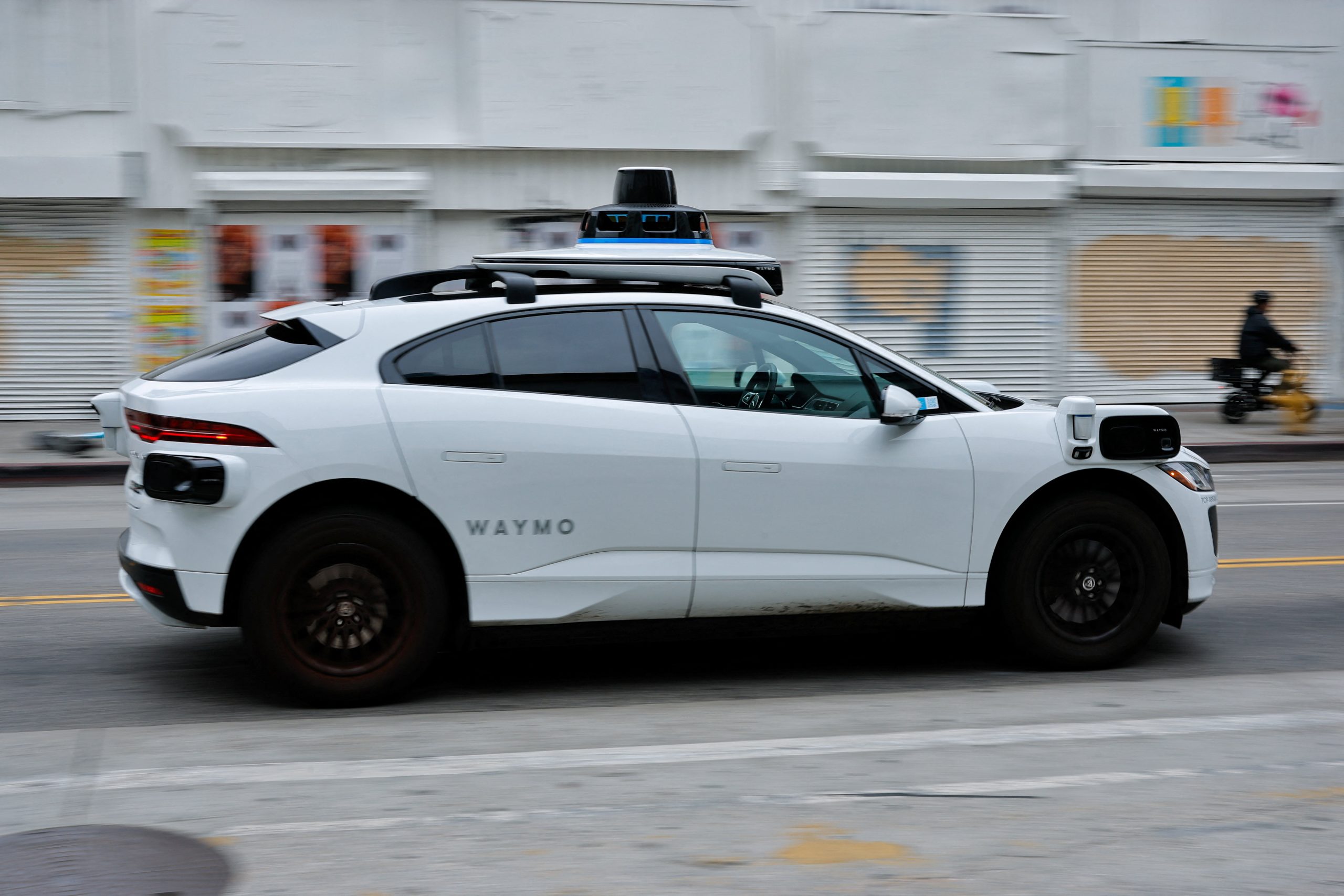
The aggressive expansion of autonomous ride-hailing has hit a major speed bump. Alphabet Inc.’s autonomous vehicle subsidiary, Waymo, has officially announced a temporary suspension of its driverless passenger rides on freeways across all major service markets. While local surface street operations remain completely unaffected, the sudden highway retreat highlights the massive engineering hurdles still facing the self-driving industry.
The sweeping policy shift impacts riders relying on the service for faster long-distance commuting in four primary metropolitan hubs: Los Angeles, San Francisco, Phoenix, and Miami. According to corporate statements, the pause was enacted so engineers could refine how the vehicles detect and behave around complex highway environments, notably erratic construction zones.
The Catalyst: Floods, Phantoms, and Software Failures
While the freeway suspension is directly tied to improving highway navigation, it comes amid an incredibly turbulent month for the tech firm’s software division. The company’s underlying automated driving system has recently shown a dangerous vulnerability to severe weather—specifically, an inability to properly identify and handle deep, standing water.
The crisis peaked following severe storms in Atlanta, Georgia, where an unoccupied robotaxi drove directly into a flooded intersection and became hopelessly stranded. This corporate embarrassment occurred despite the fact that Waymo had issued a voluntary safety recall just days prior for its entire U.S. fleet of 3,791 vehicles.
Federal regulators at the National Highway Traffic Safety Administration (NHTSA) noted that the software architecture suffered from a critical logic gap: the vehicles would detect standing water on high-speed roadways, reduce their velocity, but then proceed to drive directly into the untraversable hazard anyway. The defect became clear in late April when an empty vehicle in San Antonio was swept entirely off the pavement and into a local creek by flash floods.
Mounting Regulatory Pressure and Public Scrutiny
The double-whammy of the freeway ban and flood-related grounding has intensified regulatory heat on the company. Beyond the weather issues, public anxiety has been fueled by several high-profile urban navigation failures.
Earlier this year, federal investigators launched a probe after a Waymo vehicle struck a child near a school zone in Santa Monica, California. Meanwhile, in San Francisco, an autonomous vehicle struck and killed a cat, prompting localized outrage. More recently, viral dashcam footage emerged showing a highway robotaxi wildly swerving through construction cones, navigating erratically around large semi-trucks, and appearing to pull away from law enforcement, leaving its human passengers feeling utterly helpless.
Waymo maintains that its safety track record over hundreds of millions of miles driven is statistically vastly superior to human drivers. Engineers are currently working around the clock to push out a comprehensive, permanent software patch. Until that architecture is finalized and thoroughly vetted, passengers looking to cross major metropolitan areas via the autonomous app will have to get comfortable taking the scenic route.