Hyundai Supply Chain Protests Shadow World Cup Sponsorship
Hyundai Supply Chain Protests have emerged as a growing controversy during the 2026 FIFA World Cup, placing the automaker under renewed scrutiny over labor, environmental, and human rights concerns linked to its global supply chain.
Despite serving as an official sponsor of the North America World Cup, Hyundai Motor has faced criticism at tournament venues as activist groups continue to challenge the company’s supply chain practices. The latest demonstrations in Mexico add to ongoing allegations involving child labor, labor rights violations, workplace safety concerns, and environmental issues that have surfaced in recent years.
World Cup Demonstrations Target Hyundai and Steel Supplier
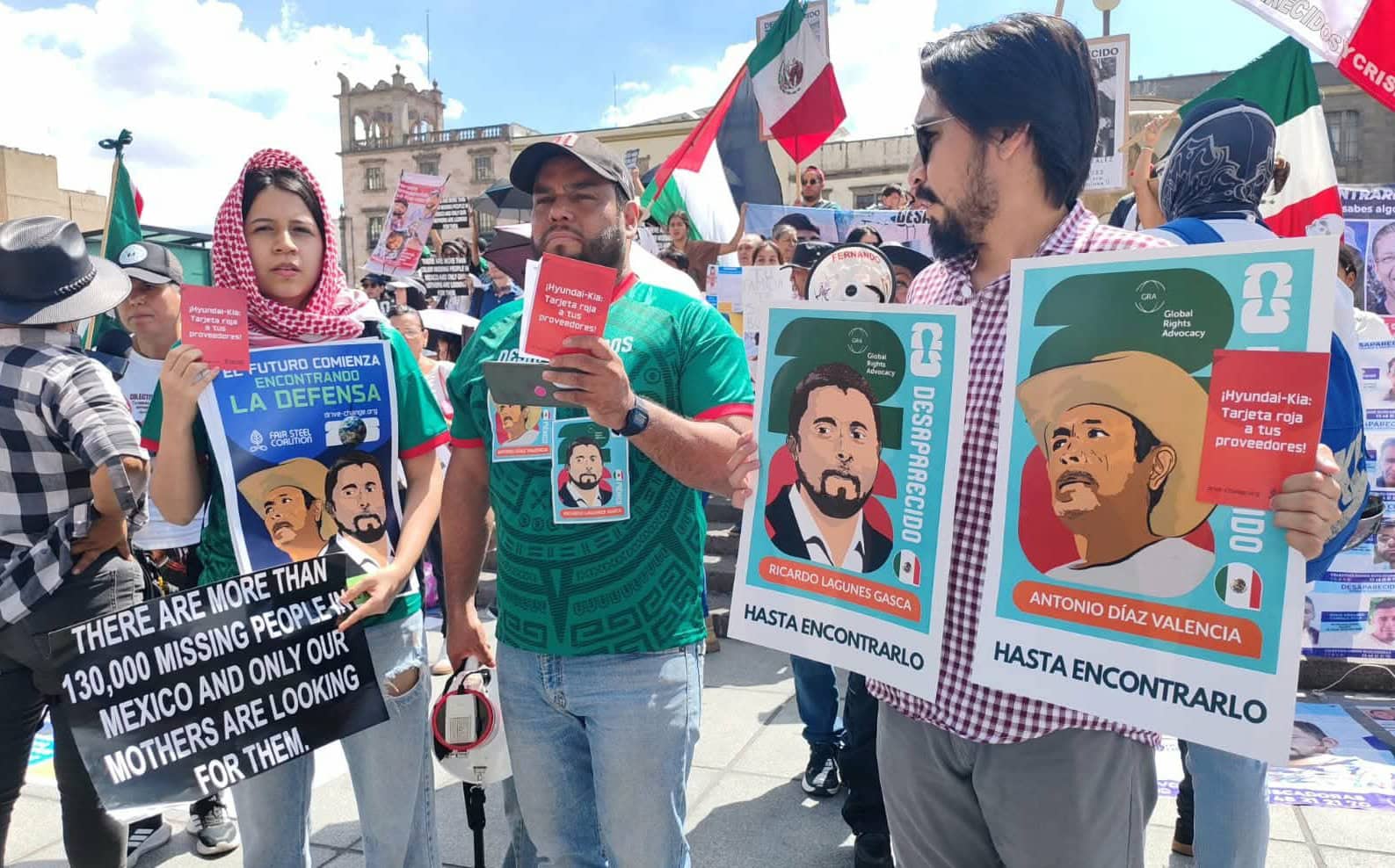
According to a report by the Los Angeles Times, community organizations, environmental activists, and labor groups staged protests in Guadalajara, Mexico, on June 21. Demonstrators accused Hyundai of using its World Cup sponsorship to improve its public image while failing to adequately address concerns within its supply chain.
The protest took place outside the stadium where South Korea and Mexico played a World Cup group-stage match on June 18. Activists focused their criticism on Ternium, a Mexican steel producer that supplies steel used in Hyundai and Kia’s manufacturing operations.
Protesters called on Hyundai and Kia to issue a “red card” to Ternium, citing allegations related to human rights and environmental impacts. Demonstrators also referenced the disappearances of environmental activists Ricardo Lagunes Gasca and Antonio Díaz Valencia, who opposed an iron ore mining project linked to the steel industry.
Environmental advocacy group Mighty Earth previously identified Hyundai as one of the major purchasers connected to what it described as a “dirty steel supply chain” involving Ternium in a report released last year.
Hyundai Supply Chain Protests Expected to Continue
Activist organizations say demonstrations will continue throughout the World Cup. Organizers plan another protest in Monterrey, Mexico, on July 5, targeting both Ternium and Hyundai. Additional demonstrations are scheduled for Los Angeles on July 9, ahead of a World Cup quarterfinal match.
Campaign organizers have indicated they intend to highlight allegations involving child labor, labor exploitation, prisoner labor, and workplace safety issues within Hyundai’s broader supply chain network.
Hyundai Defends Supplier Oversight Policies
In response to the criticism, Hyundai stated that it maintains a strict supplier code of conduct and conducts ongoing reviews through training programs, audits, and due diligence procedures designed to monitor compliance throughout its supply chain.
However, activist groups argue that the issues extend beyond any single country. Diana Figueroa, executive director of the Fair Steel Coalition, said Hyundai’s supply chain controversies involve multiple regions, including Mexico, Brazil, and the United States.
The criticism follows several recent incidents involving the automaker. In April, workplace safety advocacy organization National COSH included Hyundai and Kia on its annual list of the nation’s “Dirty Dozen” employers, citing concerns about working conditions within supplier facilities.
That same month, a female employee at a Hyundai facility in Alabama filed a $20 million lawsuit, alleging she suffered a miscarriage after being assaulted in the workplace while pregnant.
Hyundai has also faced criticism over alleged child labor violations. During last year’s Los Angeles Auto Show, more than 40 labor and community organizations, including Jobs to Move America (JMA), staged demonstrations calling for reforms related to child labor and employment practices within Hyundai and Kia’s supply chains.
JMA has since filed legal action against Hyundai, alleging the company failed to take effective corrective measures despite being aware of violations involving child labor, prisoner labor, and safety compliance issues. Hyundai has denied wrongdoing and maintains that it is committed to responsible sourcing and ethical supply chain management.
As global attention remains focused on the World Cup, Hyundai Supply Chain Protests are likely to keep the automaker’s labor and environmental record under close public scrutiny.